 Ferndale Siding
 Window Replacement Built for Fairhaven's Coastal Climate
Fairhaven sits close enough to the water that its homes take a different kind of weather beating than houses further inland in Whatcom County. Salt-laden air off the bay, wind-driven rain that gets pushed sideways into window frames, and a long, damp moss season that keeps everything green and wet for months at a time all add up to conditions that older or poorly installed windows simply weren't built to handle indefinitely. If you're noticing drafts, fogged glass, swollen wood, or windows that stick when you try to open them, that's not just an inconvenience. It's usually a sign the window system is losing its fight against the local climate.
Window replacement in a neighborhood like this isn't a one-size-fits-all job. It calls for material choices, flashing details, and installation techniques suited to sustained moisture exposure, not just whatever's cheapest or fastest to install. This page walks through what that actually looks like.
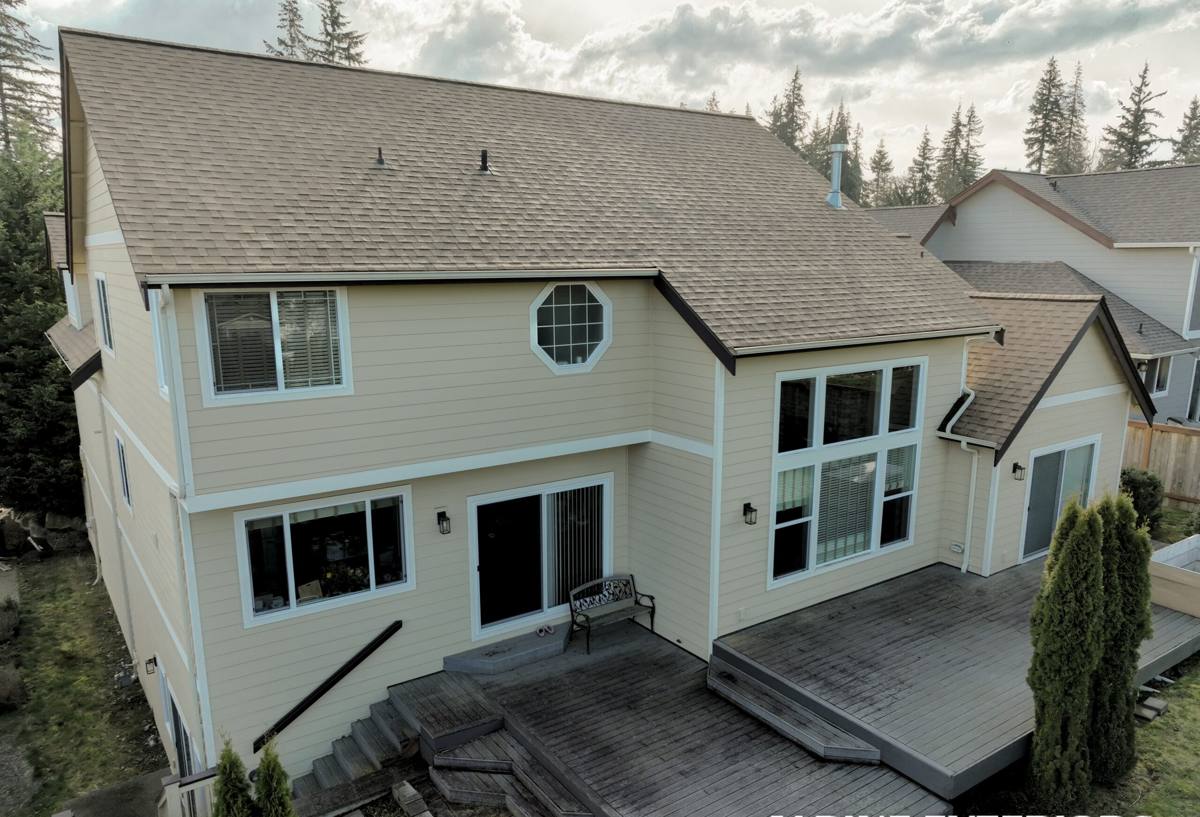
What Salt Air, Driving Rain, and Moss Season Do to Windows Over Time
Salt Air and Metal Components
Proximity to saltwater speeds up corrosion on window hardware, screen frames, and any exposed metal fasteners or flashing. Cheaper hardware finishes can start pitting or corroding years before they would in a drier, inland location. Over time this shows up as hardware that's stiff, discolored, or fails to latch properly.
Driving Rain and Wind-Loaded Water
Whatcom County storms don't just drop rain straight down — wind pushes it sideways and upward into any gap in the window's seal. A window that would stay dry in a calm rain can still leak under wind-driven conditions if the flashing, sill pan, or sealant details weren't done correctly. This is one of the most common causes of hidden water intrusion around window openings, and it's rarely visible until there's already damage inside the wall.
Moss Season and Prolonged Moisture
The long stretch of wet, low-light months encourages moss and algae growth on exterior surfaces, including window sills, trim, and cladding around the opening. Beyond the cosmetic issue, that sustained dampness is exactly the environment that lets wood rot take hold in sills and frames, and it keeps humidity elevated right at the window opening for much of the year.
Signs a Fairhaven Home's Windows Need Replacing, Not Just Repairing
- Visible gaps, drafts, or cold spots felt near the frame even with the window closed
- Fogging or a hazy film between panes of double-pane glass, which means the seal has failed
- Wood that feels soft, spongy, or shows staining at the sill or lower corners of the frame
- Windows that are difficult to open, close, or lock, especially after damp weather
- Visible daylight or gaps around the frame from outside
- Rising heating bills without another clear explanation
- Condensation forming on the inside of the glass regularly during colder months
Some of these issues can be addressed with repair or re-caulking if caught early. Once wood rot has set into the frame or the seal on an insulated glass unit has failed, replacement is almost always the more honest recommendation, since repairs at that point tend to be short-term fixes for a problem that will resurface.
Choosing Window Materials for Coastal, High-Moisture Exposure
Material choice matters more in a coastal, wet climate than it does in a dry one. Here's how the common options generally compare for a home in this kind of environment:
| Material | Moisture & Salt Air Performance | Maintenance | Typical Trade-Offs |
|---|---|---|---|
| Vinyl | Good resistance to moisture and corrosion; won't rot | Low — occasional cleaning | Frame can flex on very large sizes; color choices are more limited than wood |
| Fiberglass | Very good; dimensionally stable in wet, temperature-swinging conditions | Low | Higher upfront cost than vinyl |
| Wood (clad exterior) | Good if the exterior cladding is intact; the wood core is protected from direct weather | Moderate — exterior clad, interior wood may need periodic attention | Costlier; any failure in the cladding seal exposes wood to rot |
| Solid wood (unclad) | Poor to moderate in this climate without diligent upkeep | High — regular repainting and sealing | Most vulnerable to the sustained moisture and salt exposure common here |
| Aluminum | Prone to corrosion in salt air unless specifically coated and finished for coastal use | Moderate | Conducts heat and cold readily, which can affect comfort and condensation |
For most Fairhaven homes, we steer clients toward vinyl or fiberglass frames for their resistance to the moisture and salt exposure this area sees, or a properly clad wood window when the homeowner wants a specific wood-frame look on the interior. We won't talk anyone into unclad solid wood windows for a home this close to the water unless they understand and want the ongoing maintenance commitment that comes with it — it's a legitimate choice, just not a low-maintenance one here.
Glass Package Matters Too
Beyond the frame, the glass package affects both comfort and condensation resistance. Double-pane glass with a low-E coating and an inert gas fill (typically argon) is the practical baseline for this climate. It cuts heat loss, reduces the chance of interior condensation on cold, damp mornings, and helps buffer sound from wind and rain.
What a Correct Window Replacement Job Actually Involves
Swapping in a new window is only part of the job. In a climate like this, the installation details around the window are what determine whether it stays watertight for its full service life.
Removal and Opening Inspection
Once the old window is out, the opening gets inspected for hidden rot, damaged sheathing, or prior water damage before anything new goes in. Installing a new window into a compromised opening just hides a problem instead of fixing it.
Flashing and Water Management
Proper sill pan flashing, weather-resistant barrier integration, and correctly lapped flashing tape are what actually keep wind-driven rain out — more than the window unit itself. This is the step that's most often rushed or skipped by crews unfamiliar with coastal installation, and it's the step most responsible for leaks showing up years later.
Air Sealing and Insulation
The gap between the window frame and the rough opening needs to be sealed and insulated correctly — not overpacked with rigid foam, which can bow the frame, and not left with gaps that create drafts and cold spots.
Exterior Trim and Finish
Trim and caulking around the finished window need to shed water away from the opening, not channel it toward the frame. This is also where moss and algae tend to establish first if the wrong sealant or finish is used.
Our Process, Start to Finish
- On-site assessment — we look at existing window condition, framing, and any signs of past water intrusion, not just measure for new glass
- Honest material recommendation — based on the specific window's exposure (which side of the house, how sheltered it is, sun and wind direction)
- Written estimate — clear pricing with no vague allowances
- Careful removal — protecting interior finishes and inspecting the opening before installation
- Correct flashing and installation — sill pan, flashing tape, and air sealing done to manage water, not just fill the hole
- Finish work — trim, caulking, and hardware set and tested
- Final walkthrough — every window opened, closed, and locked with the homeowner present
Why Hiring a Crew That Already Works in This Area Matters
A crew that regularly works window replacement projects around Fairhaven and the rest of Whatcom County already knows which exposures take the worst weather, how local moisture and moss patterns tend to affect sills and trim, and which installation details can't be shortcut in a climate like this. That's different from a crew that mainly works drier inland regions and treats every job the same way regardless of exposure.
It also matters for accountability. A local contractor is going to be around next year and the year after if a question comes up about how a window is performing — not just after the initial installation is finished.
Planning and Timing Considerations
Window replacement can be done in most weather, but scheduling around the wettest stretches of the year when possible reduces the window of time an opening is exposed during the swap. We sequence multi-window jobs to minimize how long any single opening sits open, and we take extra care with weather protection on days when rain is likely.
A quick checklist for homeowners evaluating window replacement:
- Note which windows face the prevailing wind and rain direction — these usually need attention first
- Check for soft or discolored wood at the sill and lower corners
- Look for fogging between panes, a sign the seal has already failed
- Ask any contractor specifically how they handle sill pan flashing, not just what window brand they install
- Get the material and glass package specified in writing, not just "vinyl window" with no detail
If you're dealing with drafty, foggy, or hard-to-operate windows on a Fairhaven home, we're happy to take a look and give you a straightforward assessment of what's going on and what it would take to fix it right. Reach out for a free, no-pressure estimate using the form below.