 Ferndale Siding
 Siding Replacement for Sudden Valley Homes
Sudden Valley sits among the wooded, hilly terrain of Whatcom County, and homes there face a different set of exterior challenges than a house sitting in the open. Mature tree cover, shaded rooflines, and long stretches of damp weather all put extra strain on siding, trim, and roofing. As a siding contractor working throughout the greater Ferndale and Whatcom County area, we see the same patterns show up on Sudden Valley homes year after year — and it shapes exactly what we recommend and how we build.
This page covers what the local climate does to exterior materials, how our process works for homes in this area, and why we standardized on one siding product instead of offering a menu of options.
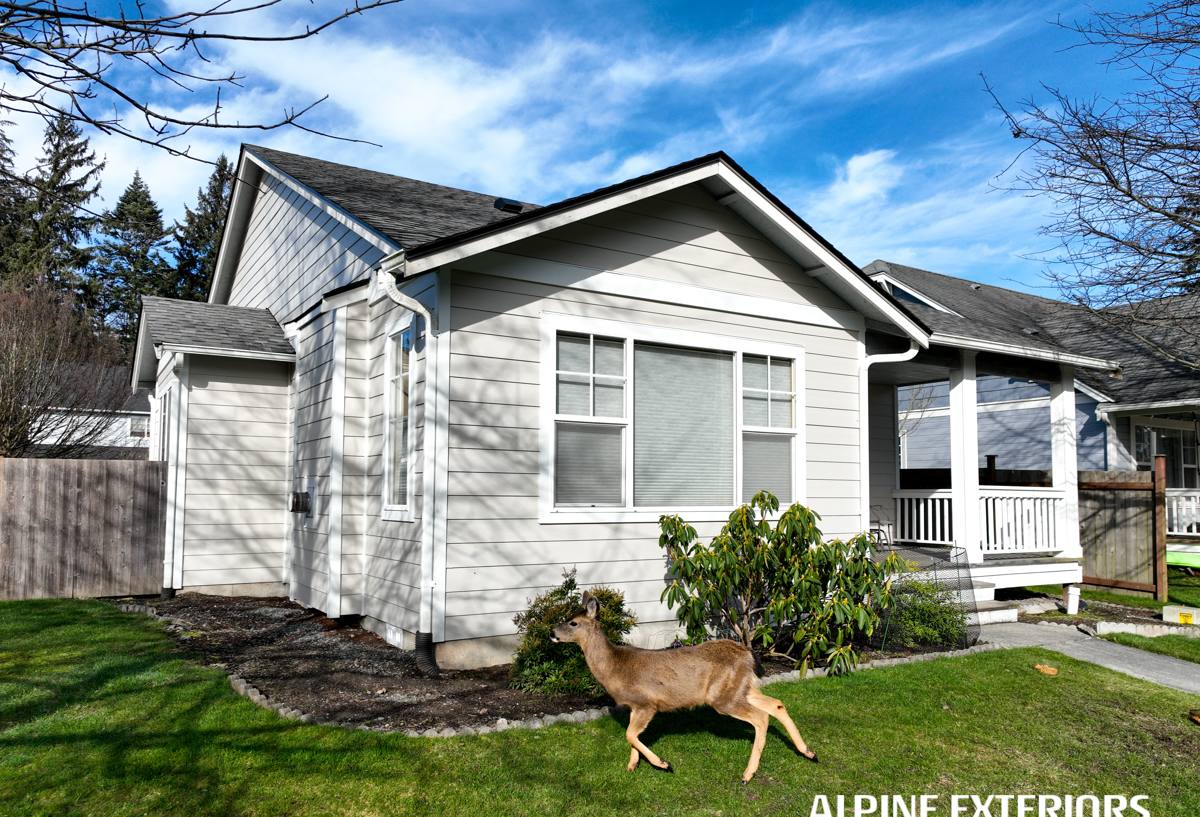
What the Local Climate Does to Siding Here
Wooded, Shaded Lots and Moss
Many Sudden Valley properties sit under significant tree canopy. Shade keeps a house cooler in summer, but it also means siding, fascia, and roof surfaces stay damp far longer after a rain than they would on a lot with open sun exposure. That extended damp window is exactly what moss, algae, and mildew need to take hold. On wood-based or fiber materials that aren't properly sealed and finished, prolonged moisture contact is where problems start — swelling, soft spots, and paint failure.
Regional Marine Air and Driving Rain
Whatcom County sits in a marine-influenced climate, with moisture-laden air moving in off Puget Sound and Bellingham Bay and long stretches of the year spent under overcast, drizzly conditions. Even at Sudden Valley's inland, lake-adjacent location, homes still get exposed to that broader regional pattern of driving rain and persistent humidity — it's a factor across the whole Ferndale service area, not just along the immediate coastline.
A Long Moss Season
Between the shade and the rain, moss season here isn't a few weeks in spring — it's most of the year. Siding that traps moisture or has seams and joints where water can sit will show moss and staining faster than siding designed to shed water and resist organic growth. This is one of the biggest reasons material choice matters more here than it might in a drier climate.
Why We Only Install James Hardie Fiber Cement
We get asked regularly why we don't offer vinyl, LP SmartSide, cedar, or other fiber cement brands like Cemplank or Allura. It's a fair question, and the honest answer is that after years of installing and repairing siding in this climate, we standardized on one product because it holds up better than the alternatives, not because it's the only thing available.
What the Alternatives Get Right — and Where They Struggle Here
- Vinyl siding is inexpensive and low-maintenance in mild, dry climates, but it can warp or buckle under temperature swings and doesn't hold paint if a homeowner ever wants to change the color. In a wet, shaded environment like Sudden Valley, trapped moisture behind vinyl panels is a common source of hidden rot that isn't visible until it's advanced.
- LP SmartSide is an engineered wood product with real strengths — it's lighter than fiber cement and easier to install quickly. But it's still wood-based, meaning the cut edges and any breach in the factory coating are vulnerable to moisture intrusion, which is a bigger risk in a climate with this much sustained dampness.
- Cedar and primed spruce are attractive natural materials, but they require ongoing maintenance — re-staining or repainting on a cycle, careful caulking, and vigilance about moss and rot. In a long, wet moss season, that maintenance burden grows.
- Other fiber cement brands (Cemplank, Allura) are legitimate products, but we've standardized on James Hardie specifically for its factory-applied ColorPlus finish, its HZ5 product engineering for Pacific Northwest moisture and temperature conditions, and the strength of its transferable warranty when installation is done to spec.
None of this means the other products are junk — they're built for different priorities and different climates. Our decision is about what performs best on homes in this specific corner of Washington, where shade, rain, and moss are constant rather than occasional.
What James Hardie Does Better for This Climate
James Hardie fiber cement is non-combustible, dimensionally stable across temperature and moisture swings, and factory-finished with ColorPlus technology — meaning the color and protective coating are baked on before the boards ever reach the site, rather than relying on field-applied paint or stain to hold up against years of Whatcom County rain. It's engineered specifically for wet climates through Hardie's HZ5 product line, and it doesn't feed moss or rot the way wood-based products can if moisture gets behind them.
Our Process for Sudden Valley Homes
Every project starts with a walk-around of the home, not a generic quote. On a wooded lot, that means paying close attention to areas that stay shaded and damp longest — north-facing walls, sections under heavy tree cover, and spots where the old siding shows moss staining or soft trim. Those are the areas most likely to have underlying moisture damage that needs to be addressed before new siding goes on, not covered up by it.
What a Typical Project Involves
- On-site assessment of existing siding, trim, and any moisture or rot damage
- Removal of old siding and inspection of the wall sheathing and weather barrier underneath
- Repair or replacement of any damaged sheathing, framing, or flashing before new material goes up
- Installation of James Hardie fiber cement siding and trim, with proper fastening, gapping, and caulking per manufacturer spec
- Final walkthrough and cleanup
Beyond Siding: Roofing, Windows, and Decks
Siding rarely fails in isolation. On Sudden Valley homes, we often find that the same shade and moisture that stress siding are also affecting the roof, window flashing, or an exterior deck. We handle all four as one exterior contractor rather than sending a homeowner to separate specialists:
- Roofing — moss and moisture damage on a shaded roof often shows up around the same time as siding issues, and addressing both together avoids water finding a new path in through a mismatched repair.
- Windows — old or poorly flashed windows are one of the most common sources of hidden water intrusion behind siding; replacing siding is a natural time to address them.
- Decks — exterior decks in wooded, shaded yards deal with the same moss and moisture exposure as siding and need materials and fastening detailed for that environment.
Why a Local Crew Matters
A crew that works throughout Whatcom County regularly sees how homes in this specific area age — which walls take the worst of the moss, where shaded lots tend to hide moisture damage longest, and how the regional weather pattern differs from siding advice written for a drier climate. That local pattern recognition is what keeps a project from becoming a series of surprises once the old siding comes off.
It also means straightforward accountability: a local business with a physical presence in the community, not an outside crew that's hard to reach if a question comes up after the job is done.
What to Expect: Timeline and Cost Factors
Every home is different, and we don't publish blanket prices because the real cost drivers vary house to house. The table below outlines the factors that most affect scope, time, and investment on a typical Sudden Valley project.
| Factor | Why It Matters |
|---|---|
| Extent of hidden moisture damage | Shaded, wooded lots often mean more sheathing or trim repair once old siding comes off |
| Home size and wall complexity | More corners, dormers, and trim detail add labor time |
| Access and lot terrain | Sloped, wooded lots can affect staging and material handling |
| Siding profile and color | Lap width, shingle-style panels, and ColorPlus color selections vary in material cost |
| Scope beyond siding | Bundling roofing, window, or deck work can affect overall project sequencing and cost |
Most full siding replacements take from a few days to a couple of weeks on site, depending on scope and weather — and in this region, we plan around the wet season rather than fight it.
Choosing a Contractor for This Kind of Project
Whatever contractor a homeowner chooses, a few things are worth confirming before signing anything:
- Are they licensed and insured to work in Washington State?
- Will they inspect and address any hidden moisture or rot damage before installing new siding, not just cover it up?
- Do they install to the manufacturer's specified fastening, gapping, and flashing details — not just "close enough"?
- Is the warranty clearly explained, including what's covered by the manufacturer versus the installer?
- Do they have a real, local presence rather than operating as an out-of-area crew passing through?
If you're weighing a siding project for a Sudden Valley home — or want a second opinion on moss, staining, or soft spots you've noticed on your current siding — we're happy to take a look and walk you through what we find. Reach out for a free, no-pressure estimate using the form below.