 Ferndale Siding
 Building Decks for Lummi Island's Marine Environment
Lummi Island sits out in the salt water of Whatcom County, and that changes what a deck has to survive. A deck built to a generic mainland spec doesn't hold up the same way out here. Between salt-laden air blowing off the water, long stretches of driving rain through fall and winter, and a moss season that can run half the year in shaded spots, an island deck is under more constant pressure than most homeowners realize until hardware starts rusting or boards start going soft. We build custom decks for Lummi Island and the broader Ferndale area with those conditions in mind from the first design conversation, not as an afterthought once something has already failed.
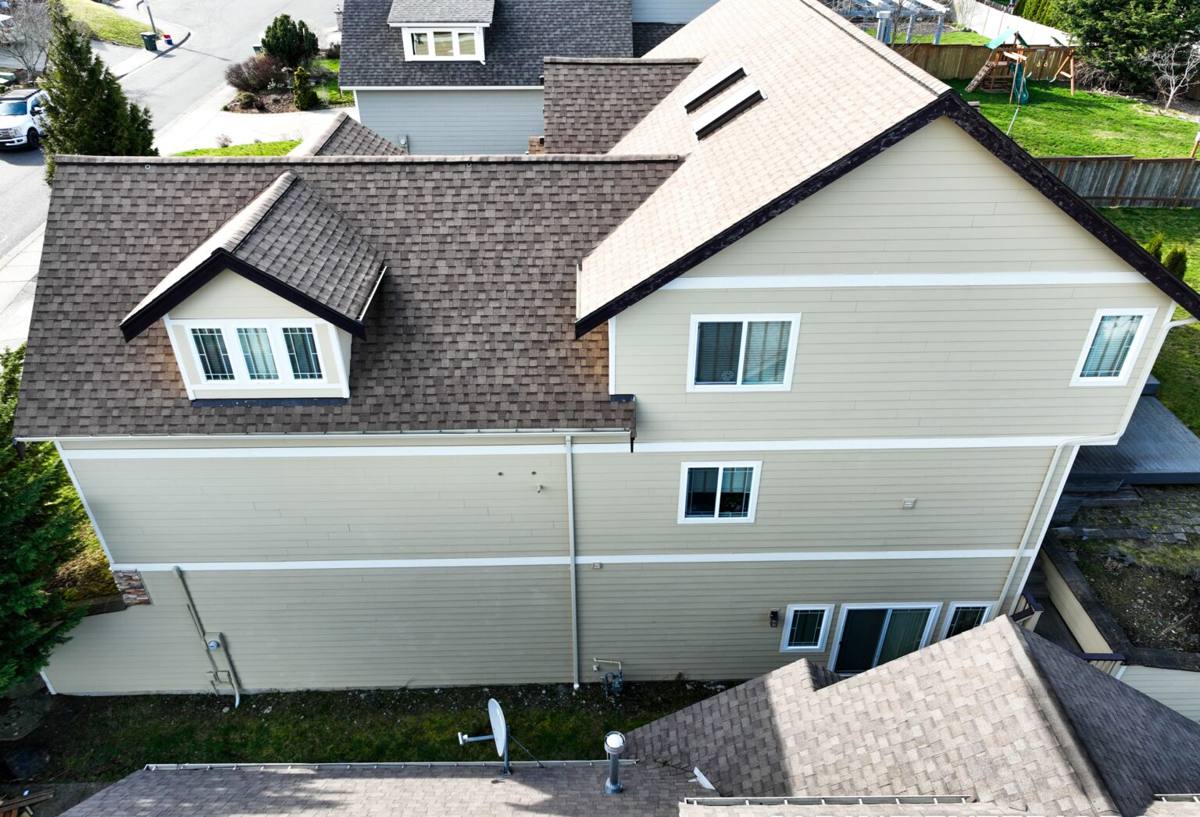
What Salt Air and Driving Rain Do to a Deck Over Time
Coastal exposure attacks a deck in a few specific, predictable ways. Understanding them is what separates a deck that looks good for two years from one that still looks good in fifteen.
Metal Hardware and Fasteners
Salt air accelerates corrosion on anything metal — screws, joist hangers, bolts, post bases. Standard galvanized fasteners that would be fine forty miles inland can start showing rust streaks within a season or two out here. Corroding hardware isn't just cosmetic; joist hangers and structural connectors are what keep a deck attached to the house and standing under load. Once they weaken, the problem is structural, not surface-level.
Wood Decking and Framing
Driving rain doesn't just wet a deck's surface — wind-driven moisture gets forced sideways and up into joints, end grain, and fastener holes that a straight-down rain would never reach. Framing lumber that isn't properly sealed at cuts and connections stays damp longer than it should, which is where rot gets started, usually at the ledger board, post bases, and joist ends before it's visible anywhere else.
Moss and Algae Growth
Shaded, north-facing, or tree-covered sections of a deck on Lummi Island can stay damp for weeks at a time during the wetter months. That's exactly what moss and algae need to take hold. Beyond looking bad, a mossy deck surface gets slick and dangerous underfoot, and moss holds moisture against the decking material, which shortens its life whether it's wood or composite.
Choosing the Right Decking Material for an Island Property
There's no single "best" decking material — the right choice depends on how much maintenance a homeowner actually wants to do, the budget, and how exposed the deck is to wind, salt, and shade. Here's how the common options compare for this specific environment:
| Material | Salt/Moisture Behavior | Moss Resistance | Maintenance |
|---|---|---|---|
| Pressure-treated fir/pine | Needs sealing regularly or moisture gets into end grain | Low — porous surface holds spores | Annual cleaning and re-sealing |
| Cedar | Naturally moisture- and rot-resistant, but still needs finish maintenance near salt air | Moderate | Periodic cleaning, occasional oil or stain |
| Composite decking | Doesn't absorb water or rot; hardware and framing beneath it still need protection | Higher — surface doesn't hold moisture the way wood does, though grime can still build up | Occasional washing, no sealing or staining |
| Tropical hardwoods (e.g. ipe) | Dense, naturally weather-resistant | Moderate to high | Periodic oiling to maintain color; low rot risk |
We'll walk through these trade-offs honestly during the design phase rather than steering everyone toward the most expensive option. A well-detailed cedar deck with correct flashing and drainage can outperform a poorly built composite deck, and vice versa — the material matters less than the build quality underneath it.
Framing and Foundation Considerations
What's underneath the decking is where most of the long-term durability actually gets decided, and it's the part homeowners see the least of once the project is finished.
- Ledger flashing: Where a deck attaches to the house, proper flashing keeps water from tracking behind the siding and into the wall framing — a common failure point on older decks that were never flashed correctly the first time.
- Footings below frost depth: Post footings need to be set to the depth required by Whatcom County code so seasonal ground movement doesn't shift the structure over time.
- Post bases off the ground: Elevated, non-absorbent post bases keep wood posts from sitting in standing water or wet soil, which is one of the fastest ways framing lumber fails.
- Joist protection: Sealing or capping the tops and cut ends of joists before decking goes down blocks the entry points where water damage typically starts.
- Drainage and airflow: A deck built tight to grade with no airflow underneath stays damp longer after every rain. Proper clearance lets the structure dry out between storms instead of staying wet all winter.
Railings, Fasteners, and Hardware Built for Salt Exposure
Every metal component on an island deck should be chosen for corrosion resistance, not just cost. We spec stainless steel or coated structural fasteners and connectors rated for exterior, coastal-adjacent use, especially at ledger connections, post bases, and stair stringers where a failure has real consequences. Railings get the same consideration — powder-coated or stainless hardware at every joint, with attention to how water sheds off horizontal surfaces like top rails and post caps, since flat surfaces are where standing water and moss both tend to collect first.
Our Custom Deck Process for Lummi Island Homeowners
Building on the island adds some real logistics that a mainland Ferndale project doesn't have, and we plan around them instead of treating them as surprises mid-project.
Design and Site Assessment
We start with an on-site visit to look at sun and shade exposure, prevailing wind and rain direction, existing drainage, and how the deck will tie into the house. On a waterfront or view lot, we also look at how wind load and salt exposure should influence material and hardware choices for that specific spot on the island.
Materials and Delivery Planning
Getting materials to Lummi Island means factoring in ferry access, so we plan material orders and delivery timing up front rather than discovering a scheduling gap mid-build. That planning is part of why an experienced island crew finishes on a more predictable timeline than a mainland crew tackling their first island project.
Construction
Framing, flashing, and structural connections go in first and get inspected before decking closes anything up — those are the parts that are expensive and disruptive to fix later, so we don't rush past them. Decking, railings, and finish work follow once the structure underneath is right.
Walkthrough
We finish with a walkthrough covering how the specific materials used on that deck should be cared for through Whatcom County's wet season, so the homeowner isn't guessing at maintenance later.
Permits and Whatcom County Code Requirements
Deck permitting in Whatcom County depends on the deck's height, size, and attachment to the home — most decks above a certain height or attached to the structure require a permit and inspection. We handle the permit process as part of the job, including the structural details (footing depth, ledger attachment, guardrail height and spacing) that inspectors check for. Skipping this step, or hiring someone who does, can turn into a real problem at resale when a deck without permit history shows up in a home inspection.
Maintenance Checklist to Keep a Lummi Island Deck Looking Good
A well-built deck still needs some seasonal attention in this climate. Here's what we recommend to homeowners after a project wraps up:
- Sweep debris and standing leaves off the deck regularly, especially in shaded areas prone to moss
- Rinse salt residue off decking and railings periodically, particularly after storms with wind off the water
- Check and clear gaps between deck boards so water and debris don't build up and hold moisture
- Inspect visible hardware once or twice a year for early rust or corrosion, and address it before it spreads
- Re-seal or re-stain wood decking on the schedule appropriate to that finish — don't wait until it's visibly failing
- Confirm gutters and downspouts near the deck are directing water away from posts and footings
- Address moss with a gentle, deck-safe cleaning method rather than pressure-washing aggressively, which can damage wood fibers and composite surfaces alike
Why Hire a Crew That Already Works on Lummi Island
A contractor who mainly works inland projects will often spec a deck the same way regardless of where it sits. That's how you end up with standard galvanized hardware that starts rusting in a couple of years, or decking laid without enough attention to drainage and airflow underneath. Working regularly on Lummi Island and around Ferndale means we've already seen how salt air, wind, and moss actually behave on decks in this specific setting — not in general, but here. That experience shows up in the fastener grade we spec, how we detail flashing at the ledger, and how we plan logistics so an island project runs on the same kind of timeline as a mainland one.
If you're planning a new deck or replacing an aging one on Lummi Island, we're happy to walk the site with you and talk through what makes sense for your home's exposure and budget. Reach out for a free, no-pressure estimate using the form below.