 Ferndale Siding
 Storm Damage Roof Repair for Cordata Homes
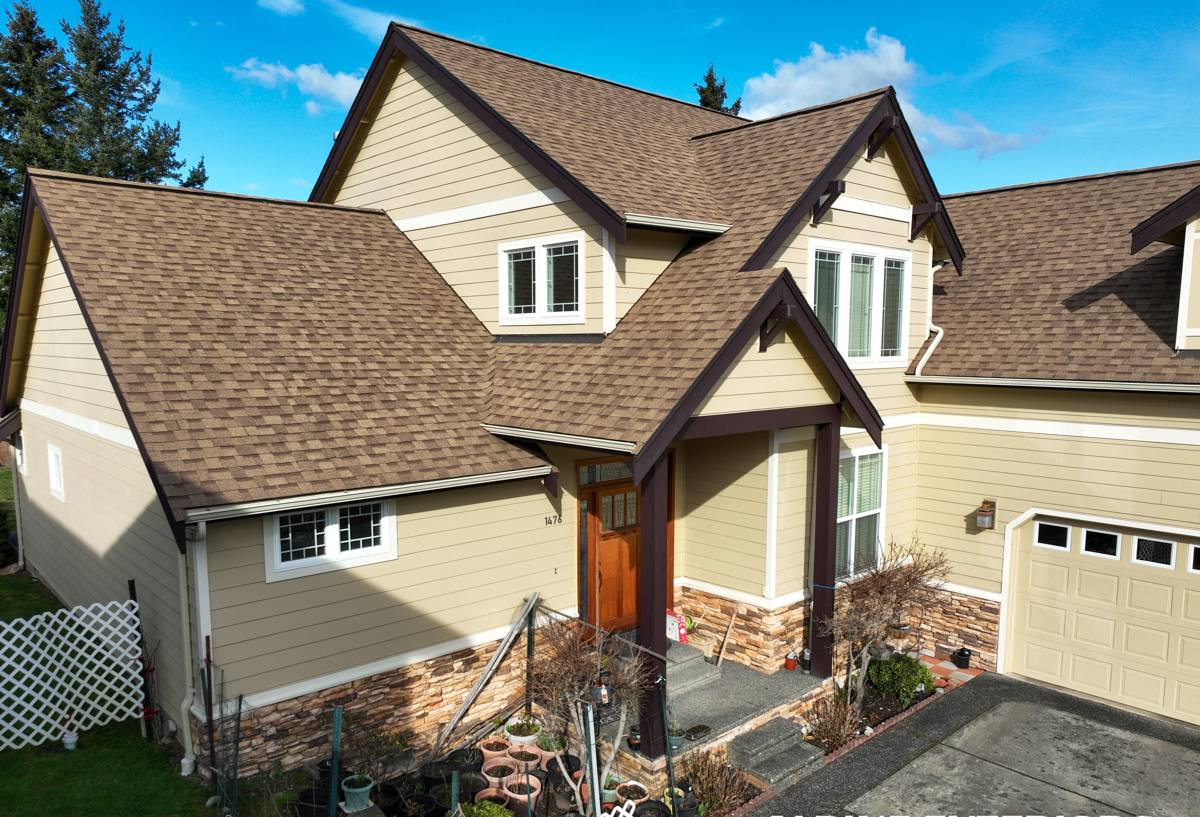
Cordata sits on the north side of Ferndale, close enough to the water and open farmland that roofs here take a different kind of beating than roofs twenty miles inland. Wind comes off the Strait and Bellingham Bay with salt in it, rain arrives sideways more often than straight down, and the tree cover that makes the neighborhood pleasant to live in also means shade, moisture, and moss holding on to shingles for months at a time. When a wind event, hailstorm, or heavy atmospheric river system rolls through Whatcom County, Cordata roofs show the damage in specific, predictable places — and knowing where to look is most of the job.
This page covers storm damage roof repair specifically as we handle it for Cordata properties: what the climate does to a roof here, what a correct repair actually involves, how we run the job from first call to final walkthrough, and why it matters to hire a crew that already knows this particular stretch of Ferndale rather than a traveling storm-chase outfit.
What Cordata's Climate Actually Does to a Roof
Salt Air and Corrosion
Metal fasteners, flashing, and drip edge take the slowest but most consistent damage from salt-laden air moving inland off the water. Galvanized nails and low-grade flashing corrode faster here than they would in a drier, inland part of the county, and a storm that pulls loose shingles will also expose fasteners that were already weakening. A repair that just replaces the shingle and reuses corroded fasteners or flashing is a repair that fails again within a year or two.
Driving Rain and Wind-Driven Water
Storms in this part of Washington rarely bring rain straight down. Wind pushes it sideways and up under shingle edges, ridge caps, and flashing laps that were designed for gravity-fed water, not pressure-fed water. This is why storm damage often shows up as interior water stains near a chimney or valley days after the wind has died down — the water found a path the original installation didn't account for.
Moss and Prolonged Moisture
Cordata's mix of mature trees and marine humidity means moss and moisture-loving growth get a long season to work on a roof — often eight months or more out of the year. Moss holds water against the shingle surface, lifts edges, and works into nail lines. A storm that knocks loose already moss-compromised shingles does more damage, and faster, than the same storm would on a clean, well-maintained roof.
What Counts as Storm Damage (and What Doesn't)
Not everything that looks bad after a storm is storm damage in the insurance or repair sense, and it's worth being honest about the difference before anyone spends money.
| Likely Storm Damage | Likely Pre-Existing Wear |
|---|---|
| Shingles physically torn, creased, or missing after a specific wind event | Granule loss spread evenly across a roof that's simply aging out |
| Flashing bent, lifted, or pulled away from a chimney or wall after high wind | Flashing that was undersized or poorly lapped from the original install |
| Fresh interior water stains appearing right after a storm | Old stains with dust or paint discoloration showing they're not new |
| Impact marks or punctures from falling branches | Moss growth and soft spots that built up over multiple seasons |
We point this out plainly during every inspection. It affects whether a repair is likely to be covered by insurance, and it affects what the actual fix needs to include — a storm-damage patch on top of a moss-weakened roof is a short-term answer, not a repair.
Our Storm Damage Inspection Process
- Ground-level and roof-surface walk: we look at the whole roof, not just the area the homeowner noticed damage on wind can lift shingles well away from where debris lands.
- Flashing and penetration check: chimneys, vents, skylights, and valleys get specific attention since these are where wind-driven rain finds its way in.
- Attic and interior check where accessible: we look for staining, wet insulation, or daylight at joints that indicates water has already gotten past the roof surface.
- Photo documentation: dated photos of every damaged area, useful whether the repair is paid out of pocket or through an insurance claim.
- Written scope and options: a plain-language explanation of what's storm-related, what's pre-existing, and what a correct repair involves.
What a Correct Repair Involves
A storm damage repair done right on a Cordata roof isn't just swapping in matching shingles. It includes:
- Removing and replacing corroded fasteners and flashing in the repair area, not just reusing what's there
- Re-lapping flashing correctly at chimneys, valleys, and walls so wind-driven rain has nowhere to enter
- Clearing moss and debris from the surrounding area before new material goes down, so the repair isn't sealed over an active moisture problem
- Matching shingle color and profile as closely as the market allows, since exact matches get harder as a roof ages
- Checking and re-sealing nearby penetrations (vent boots, pipe collars) that took the same storm stress even if they didn't fail outright
- A final water test or visual check on any area where a leak was reported, before calling the job done
Repair vs. Partial Replacement: How We Decide
Storm damage repair doesn't always mean a small patch. Sometimes the honest answer is that a section of roof — a slope, a valley run, or an area around a chimney — needs more than a spot fix. We base that call on a few factors, not on trying to upsell a bigger job.
| Factor | Points Toward Spot Repair | Points Toward Section Replacement |
|---|---|---|
| Age of roof | Under roughly 10-12 years | Nearing or past typical shingle lifespan |
| Extent of damage | Isolated to one area or slope | Spread across multiple slopes or valleys |
| Underlying condition | Deck and underlayment sound | Soft decking or saturated underlayment found |
| Shingle availability | Close match still manufactured | Discontinued style, patch would look mismatched |
| Moss/moisture history | Roof otherwise well-maintained | Long-term moss damage found alongside storm damage |
We'll always tell you which side of this table your roof falls on and why, in plain terms, before recommending one path over the other.
Insurance Claims: What We Can and Can't Do
Many storm damage repairs in Whatcom County go through homeowners insurance. We're not adjusters and we don't represent the insurance company, but we can:
- Provide a written, photo-backed damage assessment you can submit with a claim
- Point out which damage is clearly storm-related versus wear-related, honestly, since that distinction affects claim outcomes
- Meet an adjuster on-site if that's helpful, and speak to what we found
- Complete the repair scope once a claim is settled, matching materials as closely as possible
We won't inflate a scope to chase a bigger payout, and we won't tell you something is storm damage if the evidence points to ordinary wear. That approach costs us the occasional larger job, but it's the only way to keep our word worth something in a neighborhood where people talk to their neighbors.
Signs a Cordata Roof Needs a Storm Inspection
- Shingles or shingle pieces in the yard or gutters after a windy night
- A new water stain on a ceiling or upper wall, especially near a chimney or where two roof planes meet
- Visible daylight through the roof deck from inside the attic
- Flashing that looks bent, lifted, or separated from a chimney or sidewall
- Granules collecting at downspout outlets after a storm, more than usual
- A sagging or spongy feel underfoot in the attic near an exterior wall
- Moss buildup combined with any of the above, since it compounds storm damage
None of these guarantee major damage on their own, but any of them is worth a look before the next storm system finds the same weak spot.
Why a Local Cordata Crew Makes a Difference
A crew that already works this neighborhood knows what a normal Cordata roof looks like versus one that's been quietly failing for a couple of seasons. We know how fast moss reestablishes here, how the tree cover on certain lots changes drying time after a storm, and which flashing details tend to be original-builder shortcuts that fail predictably under wind-driven rain. That local pattern recognition means a faster, more accurate inspection and a repair scope that addresses the actual cause instead of just the visible symptom.
It also means accountability. A storm-chasing crew that knocks on doors after a big weather event and is gone the next county over by winter isn't the one you want to call if a repair doesn't hold up. We're based in Ferndale, we work this area regularly, and we stand behind the repairs we do here.
Maintaining a Repaired Roof Through the Next Storm Season
A good storm repair buys time, but it doesn't stop the underlying climate pressure. Keeping gutters and valleys clear of debris before the fall storm season, addressing moss growth before it spreads back over a repaired area, and getting a quick visual check after any major wind event are the simplest ways to keep a repair from becoming a repeat repair. We're happy to point out what to watch on your specific roof during the inspection, whether or not you move forward with work.
If a recent storm has left you with missing shingles, a new leak, or just an uneasy feeling about your roof, we're glad to come take an honest look. The estimate is free, there's no pressure to sign anything on the spot, and you'll get a straight answer about what's storm damage and what isn't. Use the form below to get a Cordata storm damage roof repair estimate scheduled.