 Ferndale Siding
 Building New in Sumas Means One Chance to Get Windows Right
New construction is the best possible time to get window installation right, because it's also the only time it's easy. Once siding, trim, and interior finishes are closed up around a window opening, fixing a flashing mistake means tearing into finished work. On a new build in the Sumas area, the window rough openings are still exposed, the weather-resistive barrier is still accessible, and there's no existing siding to work around. That window closes fast once framing is buttoned up, so the install has to be done correctly the first time — not caulked and hoped for.
We treat new-construction window work differently from a retrofit or replacement job. There's no old opening to match, no existing trim to save, and no compromise forced by what's already there. That means we can build the water management system into the wall assembly the way it's supposed to work, instead of adapting around decades-old carpentry.
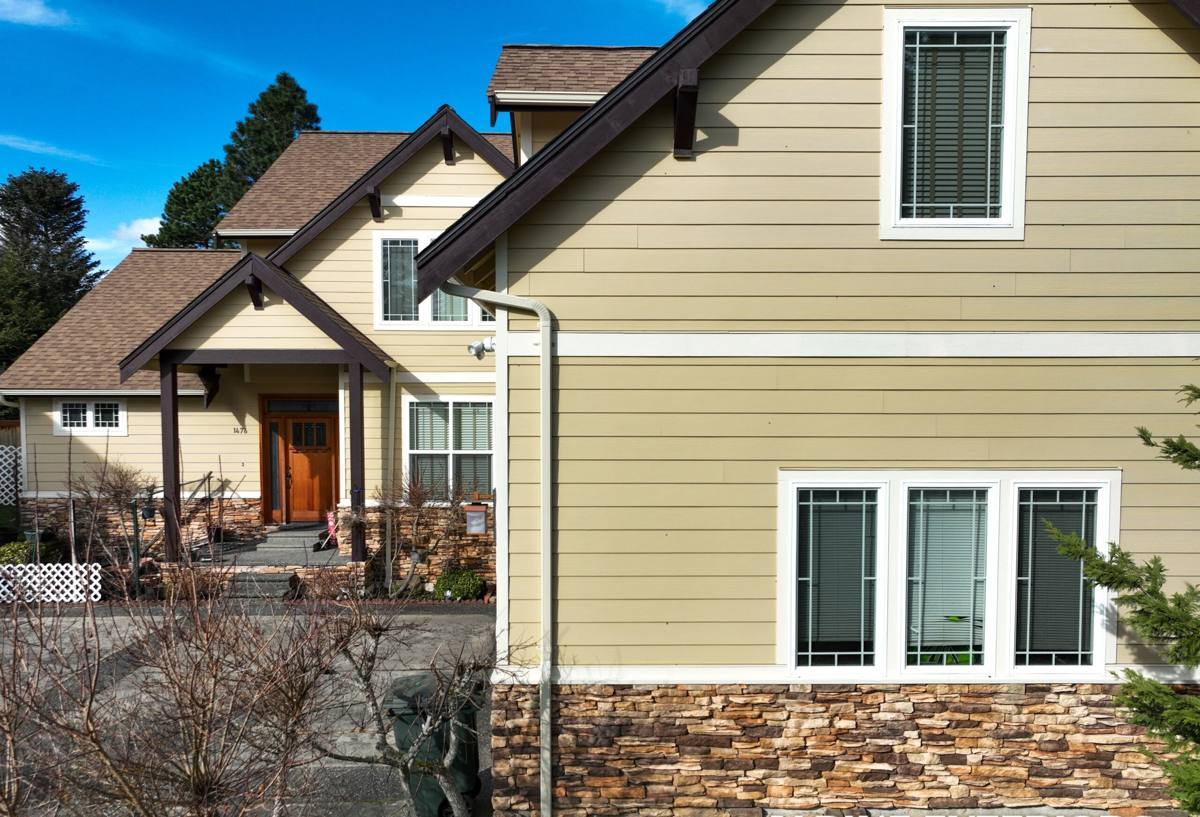
What Whatcom County's Climate Asks of a New Window Install
Ferndale and the surrounding Whatcom County lowlands, including the Sumas area near the Canadian border, sit in a wet marine climate with a few specific stresses that matter a great deal for new window openings:
- Driving, wind-pushed rain. Storms coming off the Strait of Georgia and up the valley don't just fall straight down — they push rain sideways into vertical wall surfaces, including window heads and jambs, for days at a stretch during the fall and winter.
- Long moss and algae season. Extended damp periods with limited direct sun mean moss and algae take hold on any surface that stays wet and shaded, including window sills, trim boards, and the siding immediately around an opening.
- Salt-influenced marine air. The region's proximity to Puget Sound and the Strait puts a mild but steady load of moisture-laden, salt-influenced air on exterior materials, which accelerates corrosion on unprotected fasteners and lower-grade hardware over time.
- Seasonal temperature swings. Whatcom County winters bring cold snaps down from the Fraser Valley, and window assemblies need to handle that thermal cycling without the seals or flashing tape losing adhesion.
None of this is exotic weather, but it's relentless. A window opening that's "close enough" on a drier climate build will show its weaknesses here — usually as a water stain on the interior sill, mold on a bottom plate, or moss creeping up from a trim joint within a few wet seasons.
Water Management Starts Below the Window, Not At It
Sill Pan Flashing
Every new-construction window opening we install gets a sloped sill pan flashing before the window ever goes in. This creates a dedicated drainage plane at the bottom of the rough opening so any water that gets past the window — and over enough years, some always does — has a built-in path back to the exterior instead of soaking into the framing below.
Weather-Resistive Barrier Integration
The window has to be integrated into the building's weather-resistive barrier in the correct shingle-lap sequence: sill flashing first, then the window, then jamb flashing, then head flashing, each layer lapping over the one below it so water is always directed outward and down. Get that sequence backward — a common shortcut on rushed jobs — and the wall assembly can trap water behind the siding instead of shedding it.
Head Flashing and Drip Caps
Given how much wind-driven rain this region sees, we don't treat head flashing as optional trim detail. A proper drip cap and head flashing keep water from running down the face of the wall and finding its way behind the window head casing, which is one of the most common leak points on new builds that skip this step to save time.
Choosing Window Products for This Climate
Frame material matters as much as the flashing detail around it. For new-construction work in the Sumas area, we generally steer homeowners toward vinyl and fiberglass frames over solid wood, and explain why rather than just recommend against wood outright.
| Frame Material | Moisture Behavior | Maintenance | Typical Fit for This Climate |
|---|---|---|---|
| Vinyl | Won't rot, doesn't absorb water | Low — occasional cleaning | Strong value option for most new builds |
| Fiberglass | Dimensionally stable across temperature swings, resists moisture | Low | Good upgrade where larger openings or dark colors are wanted |
| Wood / wood-clad | Vulnerable at joints and finish breaks if not maintained | High — regular refinishing needed | Workable, but demands upkeep few homeowners keep up with here |
| Aluminum | Conducts cold, prone to condensation | Moderate | Rarely the right call for residential in this climate |
We're not against wood windows as a product — they have a real place in certain architectural styles. Our concern is maintenance burden: a wood sill or corner joint that goes even one season without attention in this rainfall pattern can start absorbing moisture, and that's a hard thing for a homeowner to catch before it's already a problem. Vinyl and fiberglass frames remove that maintenance risk from the equation, which is why they're our default recommendation for new construction unless the homeowner has a specific reason to go another direction.
Meeting Washington's Energy Code
New construction windows in Whatcom County have to meet Washington State Energy Code requirements for U-factor and, in many cases, solar heat gain coefficient depending on orientation and glazing area. This isn't just a box to check — a window with the wrong U-factor for its exposure will show up as a cold spot near the glass in January and a higher heating bill every winter after that. We select glazing packages to meet code minimums as a floor, not a ceiling, and will flag where stepping up in performance makes sense for a particular elevation, like a north-facing wall that takes the brunt of winter wind.
Our New-Construction Window Process
- Rough opening check. We verify every opening is square, correctly sized, and structurally ready before flashing begins — catching framing issues now is far cheaper than after windows are set.
- Sill pan flashing. Sloped, sealed drainage plane installed at the base of every opening.
- Window setting and shimming. Windows are set plumb, level, and square, and shimmed at manufacturer-specified points to avoid frame distortion that causes operation problems later.
- Jamb and head flashing integration. Flashing tape and WRB laps are sequenced correctly, shingle-style, from bottom to top.
- Fastening per manufacturer spec. Corrosion-resistant fasteners at the correct spacing, matched to the marine-influenced air in this region.
- Interior and exterior sealant. Backer rod and sealant at the correct joints — not sealant used as a substitute for proper flashing, which is a shortcut that fails.
- Final water test on select openings. Where conditions warrant, we verify drainage before trim and siding close the opening up for good.
Mistakes We See on Rushed New-Construction Jobs
Most window leaks we're called to diagnose on newer homes in this area trace back to a handful of repeatable shortcuts. On our own installs, this is the checklist we hold ourselves to:
- Sill pan flashing skipped or installed flat instead of sloped to drain
- Flashing tape and WRB layered in the wrong sequence, trapping water instead of shedding it
- Sealant used to "fix" a flashing gap instead of correcting the flashing itself
- Fasteners that aren't rated for coastal/marine-influenced exposure
- Head flashing or drip cap omitted to save a step
- Window shimmed incorrectly, causing frame racking that shows up as operating problems within a year or two
- No water testing before siding closes the opening up
Every one of these is avoidable. None of them require exotic materials or special tools — they require doing the sequence in the right order and not skipping steps under schedule pressure.
Why a Crew That Already Works Sumas Matters
New-construction window installation isn't a generic skill that transfers identically from one climate to another. A crew that's installed windows through several wet seasons in Whatcom County has a working sense of exactly how hard driving rain hits which elevations, how fast moss establishes on a north-facing trim board, and which flashing details actually hold up here versus which ones look fine on installation day and fail two winters later. That's the kind of judgment that comes from doing the work locally and following up on it, not from a spec sheet.
We also coordinate directly with builders and framers on new-construction timing — window installation has to happen at the right point in the build sequence, after the WRB is up and before siding closes in, and being local means we can be on site when that window in the schedule actually opens.
Ready to Talk About Your New Build?
If you're framing a new home or addition in the Sumas area and want the window openings done right the first time, we're happy to walk the site, look at your plans, and give you a straightforward, no-pressure estimate. Reach out through the form below to get started.