 Ferndale Siding
 Marietta's Roofs Work Harder Than Most
Marietta sits close enough to Bellingham Bay and the open water of Whatcom County that homes here take a different kind of weather beating than roofs further inland. Salt-laden air moves through the area steadily, driving rain comes in sideways off the water during winter storms, and the long gray stretch from October through April keeps roof surfaces damp for months at a time. That combination is hard on asphalt shingles and brutal on any metal that isn't properly coated or fastened. It's also exactly the environment metal roofing was built to handle, when it's installed correctly.
We work Marietta and the surrounding Ferndale area regularly, which means we're not guessing at what this climate does to a roof over ten or twenty years — we're looking at it on tear-offs and inspections all the time. This page walks through what a metal roof needs to hold up here, what a correct installation actually involves, and what to expect if you're considering one for your home.
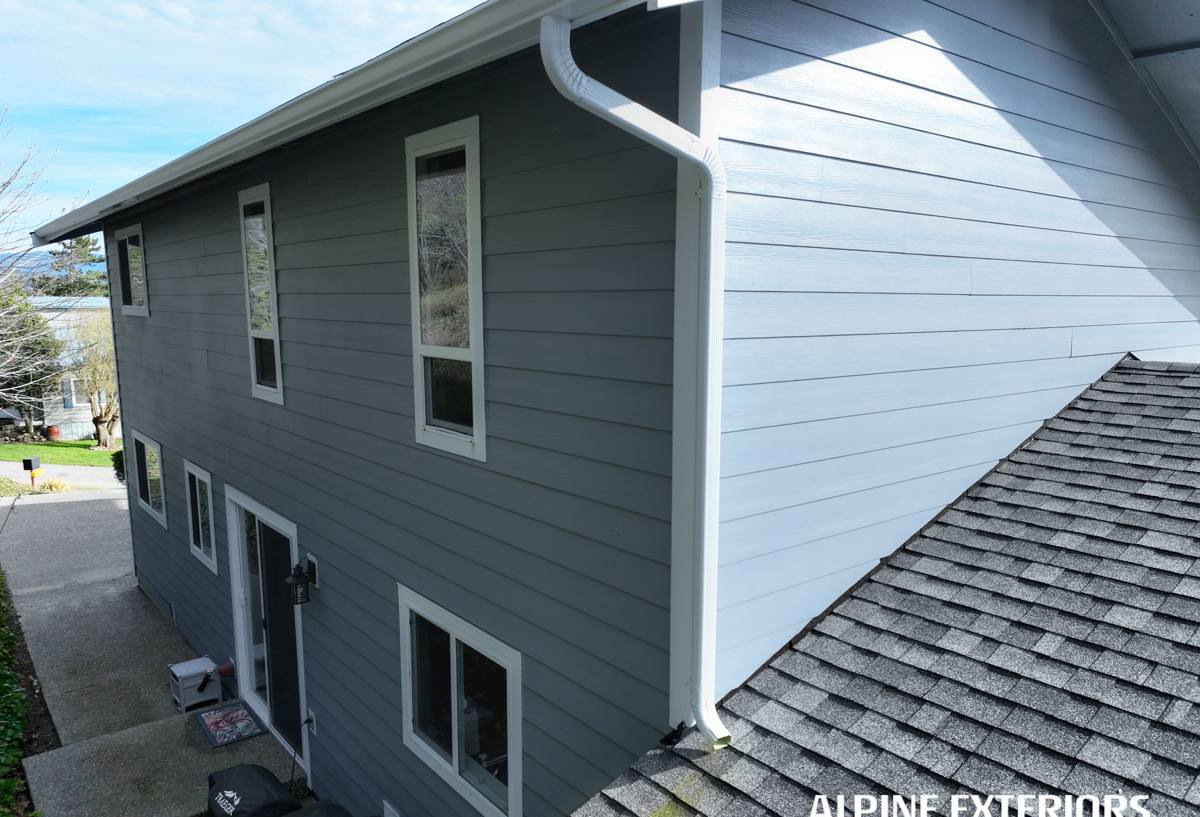
Why Metal Roofing Fits This Specific Climate
Salt Air and Corrosion
Airborne salt accelerates corrosion on unprotected or poorly coated metal, which is why panel selection matters more here than it would on a roof fifty miles inland. Properly coated steel or aluminum panels are engineered to resist that kind of exposure, but the coating and finish quality are what actually do the work — not just the fact that the material is metal. We steer customers toward panel systems with coatings rated for coastal or marine-influenced exposure, because a cheaper mill finish will show it within a handful of years.
Driving Rain and Wind-Driven Water
Storms off the water tend to push rain sideways rather than straight down, which puts pressure on every seam, lap, and penetration on a roof. Standing seam metal roofing is particularly good at shedding wind-driven rain because the panels interlock along raised seams rather than relying on overlapping tabs, giving water fewer places to find a way in. That's a real advantage in Marietta compared to areas with calmer, more vertical rainfall patterns.
Moss, Algae, and the Long Wet Season
Whatcom County's moss season runs long — shaded, north-facing, and low-slope sections of roof can stay damp for most of the year. Moss and algae need organic material to root into, and they struggle to get a foothold on a smooth metal surface the way they do on the granules of an asphalt shingle. Metal roofing won't eliminate moss growth entirely, especially where tree debris collects, but it removes the biggest reason moss spreads and takes hold in the first place.
What a Correct Installation Actually Involves
A metal roof performs the way it's supposed to only if the details underneath the panels are done right. The panels themselves get the attention, but the underlayment, flashing, and fastening are what actually keep water out over the life of the roof.
- A high-temperature, self-adhering underlayment rated for the panel type and local moisture exposure
- Proper fastener spacing and torque — overdriven or underdriven screws are one of the most common causes of leaks on metal roofs
- Correctly formed flashing at every valley, wall intersection, chimney, and vent penetration
- Continuous or matched thermal movement allowance, since metal panels expand and contract more than shingles
- Ventilation that keeps moisture from building up in the attic space beneath the deck
Skipping any one of these doesn't show up immediately — it shows up two, five, or ten years later as a leak that's traced back to a detail that was rushed during installation. This is the part of the job that separates a roof that lasts thirty-plus years from one that causes problems within a decade.
Metal Roofing Options for Marietta Homes
Not every metal roofing system is the same cost or the same fit for every house. Here's how the main options compare for a coastal Whatcom County home.
| System | Best For | Coastal Durability | Relative Cost |
|---|---|---|---|
| Standing seam steel | Full re-roofs, homes wanting a clean modern look | Very good — concealed fasteners, strong seams | Higher |
| Exposed-fastener panel | Outbuildings, shops, budget-conscious re-roofs | Fair — exposed screws need periodic checking | Lower to mid |
| Stone-coated steel | Homes wanting a shingle or shake appearance | Good — coating protects the steel substrate | Mid to higher |
For most Marietta homes directly exposed to bay winds and salt air, we recommend standing seam because the concealed fastener design has fewer long-term maintenance points. Exposed-fastener panels aren't a bad product — they're just better suited to structures where a slightly higher maintenance routine is acceptable, like a detached garage or shop roof.
What Drives Cost on a Metal Roofing Project
Homeowners often ask why one metal roofing quote is noticeably different from another. Beyond the obvious factor of roof size, a handful of things move the number the most.
| Factor | Why It Matters |
|---|---|
| Tear-off vs. overlay | Removing the old roofing adds labor and disposal cost but avoids trapping moisture under new panels |
| Roof complexity | Valleys, dormers, and multiple roof planes require more flashing and cutting |
| Panel gauge and coating | Heavier gauge steel and marine-grade coatings cost more but last longer in salt air |
| Deck condition | Soft or rotted decking found during tear-off needs to be replaced before panels go on |
| Ventilation upgrades | Older homes often need improved venting to work correctly with a metal roof system |
We give straightforward, itemized estimates so you can see exactly what's driving the cost rather than a single lump-sum number. There are no fake discounts or inflated "list prices" in our quotes — the number we give is the number we mean.
How We Approach a Marietta Roofing Project
Assessment First
We start with a full roof inspection, not just a measurement. That includes checking the deck for soft spots, evaluating current ventilation, and looking at how water has historically moved across the roof — moss patterns and staining tell us a lot about where problems already exist.
Tear-Off or Overlay Decision
In most cases we recommend a full tear-off for a metal roof, especially on a home that's had moisture issues or moss buildup, since it lets us inspect and repair the deck rather than covering up problems. We'll walk you through the honest trade-offs if an overlay is a realistic option for your specific roof.
Installation and Cleanup
Panels, flashing, and fasteners go in according to manufacturer specifications for coastal exposure, with attention to the details that matter most in this climate — sealed penetrations, correctly lapped flashing, and secure fastening at the rate the panel system requires. We clean the site thoroughly when the job is done, including a magnetic sweep for stray fasteners.
Maintaining a Metal Roof in a Wet, Salty Climate
Metal roofing is genuinely low-maintenance compared to shingles, but "low-maintenance" isn't "no-maintenance," especially this close to the water. A short annual routine keeps small issues from becoming expensive ones.
- Clear gutters and valleys of needles, leaves, and debris before the fall rains start
- Check for any moss or algae starting to form where debris has collected, especially on shaded slopes
- Look at exposed fasteners (if you have an exposed-fastener system) for signs of backing out or rust staining
- Trim back overhanging branches that keep sections of roof shaded and damp
- Have flashing around chimneys, vents, and skylights checked every few years, since these are the most common leak points on any roof type
Why a Crew That Already Works Marietta Matters
Roofing in Whatcom County isn't identical to roofing in a drier inland climate, and it isn't identical from one Ferndale neighborhood to the next either. A crew that regularly works Marietta already understands how the salt exposure and rain patterns in this specific area affect panel selection, flashing details, and how aggressively moss shows up on shaded roof sections. That local pattern recognition means fewer surprises during the project and a roof that's actually specified for the conditions it will face, not a generic install.
Being local also means we're reachable if a question comes up after the job is done, and we're not disappearing to the next region over once the invoice is paid. For a project as long-lasting as a metal roof, that ongoing accountability is worth as much as the installation itself.
Get a Straightforward Estimate
If you're weighing metal roofing for a home in Marietta or elsewhere around Ferndale, we're happy to take a look and give you an honest, no-pressure estimate — including whether metal is actually the right fit for your specific roof, budget, and timeline. Use the form below to get started.