 Ferndale Siding
 Storm Damage Roof Repair for the Fairhaven Area
Homes in the Fairhaven area take a different kind of beating than roofs twenty miles inland. Sitting close to the water means more wind-driven rain, more salt-laden air, and a longer moss season than most of Whatcom County sees. A roof that would be fine for another ten years in a drier, more sheltered spot can start failing early here if it wasn't built and maintained with these conditions in mind. Storm damage roof repair in this area isn't just about patching what broke in the last windstorm — it's about understanding why that spot failed first and making sure the repair doesn't just fail again next winter.
We work on roofs in and around Fairhaven regularly, which means we're not guessing at what the local climate does to shingles, flashing, and fasteners. We've seen the patterns. That local familiarity is a real advantage when you're trying to figure out whether a leak is a one-time storm event or a sign that a section of roof needs more than a patch.
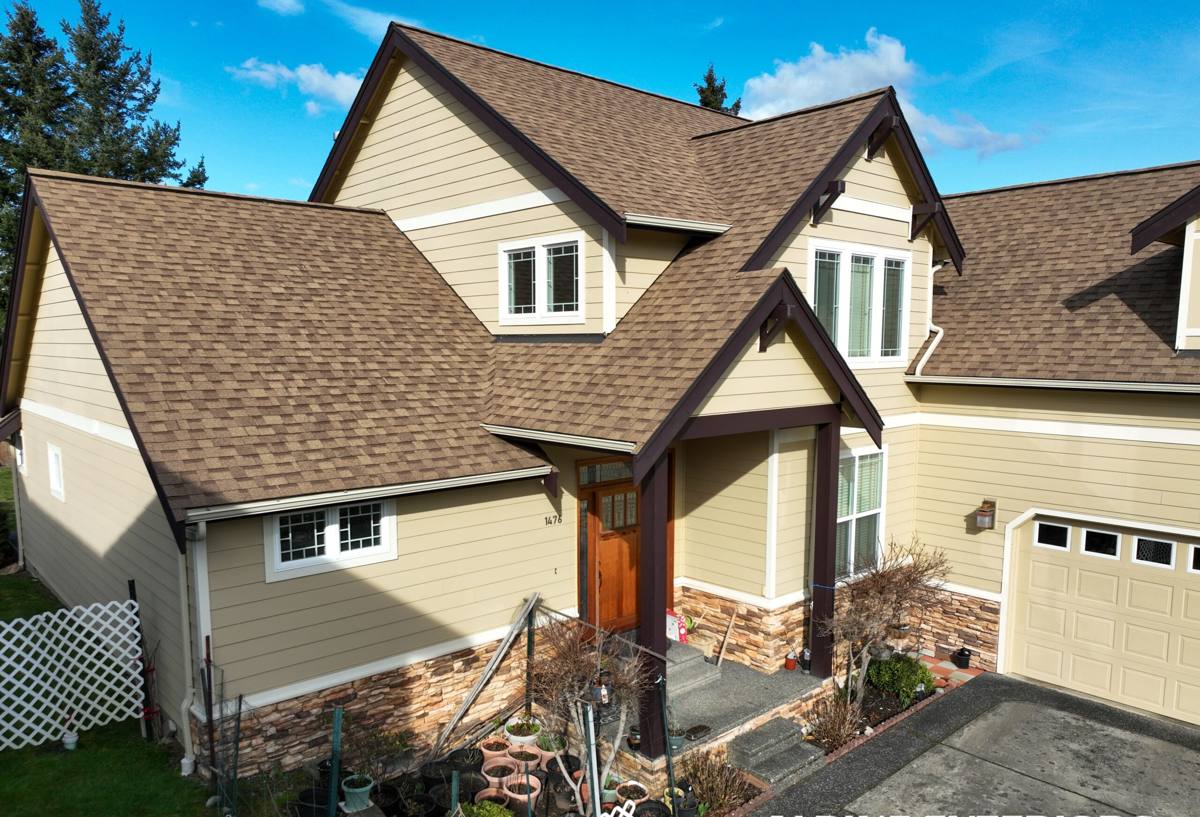
What Coastal Whatcom County Weather Does to a Roof
Wind-Driven Rain
Storms coming off the water rarely deliver rain straight down. It comes in sideways, which means it finds its way under shingle edges, around poorly sealed flashing, and into any gap that wouldn't matter in a calm rain. Roofs here need tighter attention to flashing details and edge sealing than roofs in more sheltered inland neighborhoods, because wind-driven rain actively hunts for the weak points instead of just running off.
Salt Air and Corrosion
Proximity to saltwater accelerates corrosion on anything metal — nails, flashing, vent boots, gutter hardware. A fastener that would last decades inland can start rusting and losing its grip years sooner in a salt-air environment. When we inspect storm damage here, we're specifically checking whether the real problem is wind lifting shingles, or corroded fasteners that let go because they'd already been weakened by years of salt exposure. Those two problems look similar from the ground but need different fixes.
Moss and Trapped Moisture
Whatcom County's long wet season and mild temperatures are close to ideal for moss growth, and Fairhaven's tree cover and coastal humidity don't help. Moss holds moisture against the roof surface far longer than bare shingles would dry out on their own. Over time that trapped moisture works into seams, breaks down granule protection, and can rot the sheathing underneath before a homeowner ever sees a drip inside. A storm doesn't have to be severe to finish off a roof section that moss has already been quietly degrading for a couple of seasons.
Signs Your Roof Has Storm Damage
Some storm damage is obvious — a missing shingle, a branch through the roof deck, water actively coming through a ceiling. Much of it isn't. Here's what we look for, and what you should watch for between visits:
- Shingles that look lifted, curled, or creased, especially on roof edges and around ridges where wind pressure is highest
- Granules collecting in gutters or at downspout outlets after a storm — a sign of accelerated shingle wear
- Flashing around chimneys, skylights, and roof-wall intersections that looks bent, separated, or rusted
- Soft or discolored spots on interior ceilings, especially after a heavy wind-and-rain event
- Moss buildup along shaded slopes or north-facing sections that hasn't been addressed in a year or more
- Gutters pulling away from the fascia, which is often a wind or ice-load symptom rather than just age
- Daylight visible through the roof deck from the attic, or damp insulation near the roofline
If you notice any of these after a windstorm, it's worth getting an inspection sooner rather than later. Water intrusion problems compound quickly — a small leak that goes unaddressed for one more storm cycle often turns into sheathing replacement instead of a simple patch.
What a Correct Storm Damage Repair Actually Involves
A repair that just covers the visible damage without addressing the cause is a repair you'll be paying for again. Our process is built around figuring out the full extent of the damage before we start any repair work.
1. Full-Roof Inspection, Not Just the Damaged Spot
Wind and rain damage rarely stays contained to one shingle. We check the whole roof plane, the flashing details, the ridge and valleys, and the attic space if accessible, because storm forces that lifted one shingle often stressed the fasteners and seals around it too, even if they haven't failed yet.
2. Identifying the Underlying Cause
Was it wind uplift on an aging shingle, a corroded fastener that let go, a flashing seal that had already started failing from age, or moss-related moisture damage that the storm just exposed? The right repair depends on getting this right. Nailing a lifted shingle back down does nothing if the real problem is a rusted-through flashing piece two feet away.
3. Matching Materials and Technique to the Original Roof
Repairs should blend with the existing roof system in material type, color, and installation method, and should meet or exceed the original installation quality — not just be a quick cover-up. This matters for both appearance and performance; mismatched materials or shortcuts here often show up as new leak paths within a season or two.
4. Checking Ventilation and Moisture Pathways
A storm-damaged section is a good opportunity to check whether attic ventilation is doing its job. Poor ventilation traps moisture, which accelerates the very moss and rot problems this climate already pushes toward. We flag ventilation issues when we see them, even if they weren't the direct cause of the storm damage.
Repair vs. Replacement: How We Make That Call
Not every storm-damaged roof needs full replacement, and not every roof that "just needs a patch" should get one. Here's the general framework we use to think through it:
| Factor | Leans toward repair | Leans toward replacement |
|---|---|---|
| Age of roof | Under roughly two-thirds of expected lifespan | Nearing or past expected lifespan |
| Extent of damage | Isolated to one area or a few shingles | Spread across multiple roof planes |
| Underlying decking condition | Sound, dry sheathing | Soft, rotted, or repeatedly wet sheathing |
| History of prior repairs | First or second repair on this roof | Several patch jobs already done in different spots |
| Moss/moisture history | Minimal or well-managed | Long-term buildup with visible granule loss |
We'll walk you through where your roof falls on each of these before recommending anything. If a repair is the honest answer, that's what we'll recommend — we're not in the business of selling replacements a roof doesn't need yet.
Our Process, Start to Finish
- Inspection and documentation. We assess the full roof, not just the reported problem area, and document what we find.
- Honest explanation. We walk you through what's actually going on, in plain terms, before any work starts.
- Written scope and estimate. You get a clear description of the work and a price range before we begin.
- Repair work. Matching materials, proper flashing detail, and attention to the fastener and sealing issues that this climate stresses hardest.
- Final check. We confirm the repair area is sealed and draining correctly before we consider the job done.
Why Local Storm Experience Matters
A crew that mostly works drier, inland roofs can still do competent general roofing work, but they may not think first about salt-air fastener corrosion, or recognize how far moss damage has progressed under a shingle before it shows inside. Working regularly in coastal Whatcom County means we're already calibrated to what actually fails here and why, which shortens the diagnostic guesswork and helps make sure the repair addresses the real cause rather than just the symptom that happened to show up after the last storm.
Simple Maintenance That Reduces Storm Damage Risk
A few habits go a long way toward reducing how much damage a given storm does to your roof:
- Clear gutters and downspouts before the fall storm season so wind-driven rain has somewhere to go
- Trim back branches that overhang the roof, since both physical impact and shade-driven moss growth are worse under tree cover
- Have moss addressed before it spreads, rather than after it's already discolored the roof surface
- Get a post-storm check after any significant windstorm, even if nothing looks wrong from the ground
- Address small flashing or sealant issues promptly — they're cheap to fix early and expensive to ignore
Get a Free, No-Pressure Estimate
If a recent storm has you wondering about the condition of your roof, or you've noticed any of the warning signs above, it's worth having someone take a look before the next system rolls through. We offer free estimates for storm damage roof repair in the Fairhaven area, with a clear explanation of what we find and no pressure to do more than the roof actually needs. Fill out the form below to get started.