 Ferndale Siding
 Roofing in Kendall: A Different Kind of Wear
Kendall sits inland from the coast but still lives under the same marine weather pattern that shapes roofing decisions across Whatcom County. Moist air moves in off the Strait of Georgia and Puget Sound, drops driving rain for months at a stretch, and settles into the tree-shaded lots that are common out this way. The result is a roof environment that's harder on materials than drier parts of the state: constant dampness, slow-drying surfaces, and a moss season that can run from early fall through late spring.
None of that is a reason to panic about your roof. It's a reason to replace it correctly the first time, with materials and details chosen for how water and moisture actually behave here — not for a showroom photo taken somewhere dry.
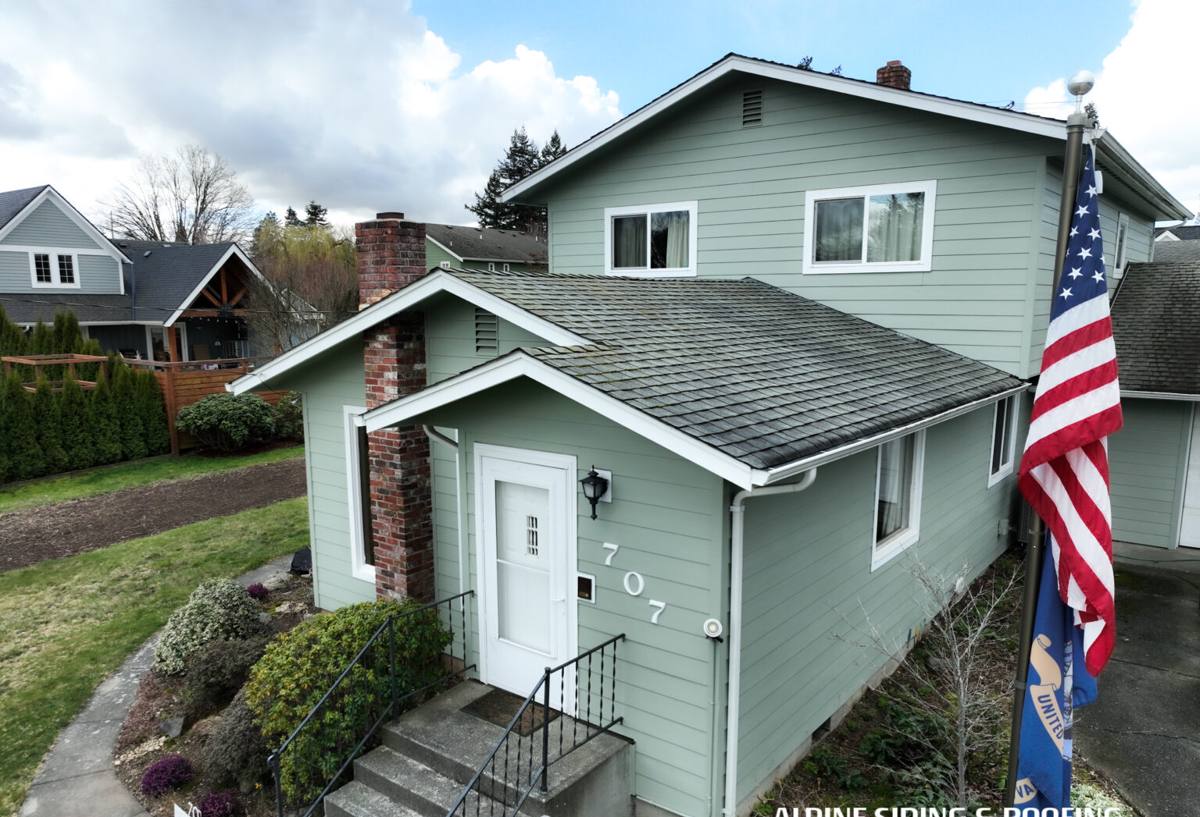
Signs a Kendall Roof Needs Replacement, Not Another Repair
Roofs in this climate rarely fail all at once. They fail one section at a time, usually starting wherever moisture collects longest — north-facing slopes, valleys, and areas shaded by trees. Knowing the difference between "patch it" and "replace it" saves homeowners money on both ends.
Repair is usually enough when:
- The damage is isolated to one flashing point, vent boot, or small area of missing shingles
- The roof is under 10-12 years old and otherwise in good shape
- There's no soft decking, sagging, or interior staining
Replacement is the honest call when:
- Granule loss and curling shingles are showing up across multiple slopes, not just one spot
- Moss has been established long enough to lift shingle edges or hold water against the surface
- You can see daylight, soft spots, or sagging in the decking from the attic
- The roof is original to the house and past 20-25 years old, regardless of how it looks from the ground
- You're repairing the same area for the second or third time
What a Correct Roof Replacement Actually Involves
A roof replacement is not just new shingles on top of the old ones. In a climate that stays wet as long as this one does, what's underneath the surface layer matters as much as the surface itself.
Tear-off and decking inspection
A full tear-off down to the decking lets us see what years of moisture have actually done to the wood underneath — something you can never fully judge from a roof-over. Any soft, delaminated, or water-stained decking gets replaced before anything new goes down. Skipping this step is the single most common shortcut that leads to an early second replacement.
Underlayment built for standing water and wind-driven rain
Synthetic underlayment with ice-and-water shield at eaves, valleys, and around penetrations gives the roof a real second line of defense. In driving rain, water doesn't just run downhill — it gets pushed sideways and can back up under shingles at low-slope areas. The underlayment is what stops that water from reaching the decking.
Flashing at every transition
Chimneys, skylights, sidewalls, and roof-to-wall junctions are where the vast majority of leaks actually start — not in the open field of shingles. New step flashing, counter-flashing, and properly lapped valley metal matter more to long-term dryness than the shingle brand on the box.
Ventilation that matches the roof
Balanced intake and exhaust ventilation keeps moisture from building up in the attic, which both extends the roof's life from underneath and reduces the damp, cool conditions that moss and algae thrive on. A new roof installed over unchanged, inadequate ventilation is starting its clock with a handicap.
Material Options for a Kendall-Area Roof
There's no single "best" roofing material — there's a best fit for your home, your budget, and how much long-term maintenance you're willing to keep up with in a wet, tree-heavy setting. Here's how the common options compare for this specific climate.
| Material | Moisture & Moss Performance | Typical Lifespan | Maintenance Trade-Off |
|---|---|---|---|
| Architectural asphalt shingle | Good, especially with algae-resistant granules; needs periodic moss/debris cleaning | 25-30 years | Lowest upfront cost; benefits most from regular light maintenance |
| Standing seam metal | Excellent — sheds water fast, nothing for moss to grip | 40-50+ years | Higher upfront cost; installation quality matters a lot for watertightness |
| Composite/synthetic shake | Very good; engineered to resist moisture absorption | 30-40 years | Mid-to-upper cost; consistent appearance without wood's upkeep |
| Cedar shake | Attractive but moisture-sensitive; requires ongoing treatment and cleaning to resist moss and rot | 20-30 years with upkeep | Highest maintenance burden in this climate |
We're upfront with Kendall homeowners about that last row: real wood shake looks great on day one, but the constant dampness here works against it unless you're committed to a regular maintenance schedule. For most homes, an algae-resistant architectural shingle or a metal roof gives the best balance of appearance, longevity, and low fuss.
Moss and Algae: Prevention Built In, Not Bolted On
Moss doesn't just sit on a roof — its roots work into the shingle surface and lift edges, creating spots for water to pool and seep underneath. In a climate with a moss season this long, prevention has to be designed into the replacement, not treated as an afterthought.
- Algae-resistant shingles with embedded copper or zinc granules on any asphalt roof
- Zinc or copper strips at the ridge on shade-prone roofs, which release trace metal ions with every rain to inhibit new growth
- Proper attic ventilation to reduce the cool, damp underside conditions that encourage growth from below
- Trimming back overhanging branches where practical, since shade and falling debris are moss's best friends
None of this makes a roof moss-proof forever — nothing does in this climate — but it substantially extends the time between cleanings and slows how aggressively growth returns.
Our Replacement Process
We keep the process straightforward and honest, from the first look to the final walk-through.
- On-site inspection — we get on the roof and in the attic, not just a look from the driveway, to assess decking, ventilation, and flashing condition
- Written estimate — a clear breakdown of materials, scope, and price, with options explained rather than upsold
- Tear-off and decking repair — full removal of the old roof and replacement of any compromised decking
- Underlayment, flashing, and ventilation installed to spec — the parts of the job that determine how the roof performs in five years, not just five months
- New roofing material installed — following manufacturer specifications to keep warranty coverage intact
- Site cleanup and final walk-through — including a magnetic sweep for stray nails and a review of the finished work with the homeowner
Why Local Experience in Kendall Matters
A roofing crew that regularly works the Kendall and greater Ferndale area already knows how the local weather patterns behave through the seasons, which slopes and orientations tend to hold moisture longest, and how tree cover on rural and semi-rural lots affects moss growth and debris buildup. That familiarity shows up in small decisions — where to add extra underlayment, which ventilation setup fits a given roofline, how to sequence work around Whatcom County's unpredictable rain windows — that a crew unfamiliar with the area might miss entirely.
It also means being reachable afterward. A roof replacement should come with a crew that stands behind the work and can respond if a question comes up down the road, not a name that was only in the area for one job.
What Affects the Cost of a Roof Replacement
Every roof is priced individually, but the same handful of factors drive most of the variation from house to house.
| Factor | Why It Matters |
|---|---|
| Roof size and complexity | More valleys, dormers, and roof planes mean more flashing, cutting, and labor time |
| Current decking condition | Rot or soft spots found during tear-off add material and labor to replace them properly |
| Material choice | Asphalt, metal, and composite carry different material costs and installation labor |
| Roof pitch and access | Steep or hard-to-access roofs take longer and require more safety setup |
| Ventilation and flashing upgrades | Bringing older ventilation or flashing details up to current standards adds scope but reduces future problems |
We walk through these factors on-site so the estimate reflects your actual roof, not a generic square-footage guess.
A Quick Checklist Before You Call Anyone
- Have you had the roof inspected from the attic side, not just from the ground?
- Is moss buildup isolated or spread across multiple slopes?
- Are there visible stains, sagging, or soft spots inside the attic?
- How old is the current roof, and has it ever been replaced or only repaired?
- Does your current ventilation match the size and shape of the attic?
Knowing the answers ahead of time — even rough ones — helps any contractor give you a more accurate, more useful estimate.
If your Kendall-area roof is showing its age or you just want an honest read on where it stands, we're glad to take a look. Use the form below to request a free, no-pressure estimate.