 Ferndale Siding
 Windows Built for the Nooksack Valley's Weather
Homes in the Nooksack area sit in a stretch of Whatcom County that takes weather seriously. You're close enough to the water to catch salt-laden marine air, low enough in the valley to collect fog and standing moisture, and exposed to the kind of sideways, driving rain that Western Washington winters are known for. Add a long moss season where surfaces rarely get a chance to fully dry out, and you have a climate that is genuinely hard on window installations that were done in a hurry or done cheap.
Window replacement isn't just a cosmetic upgrade out here. It's a decision about how well your home will keep water, wind, and cold air outside where they belong for the next twenty-plus years. Get the installation wrong — even with a good window — and you're looking at rot, mold behind the drywall, and energy bills that never quite make sense. Get it right, and the window becomes one less thing you have to think about.
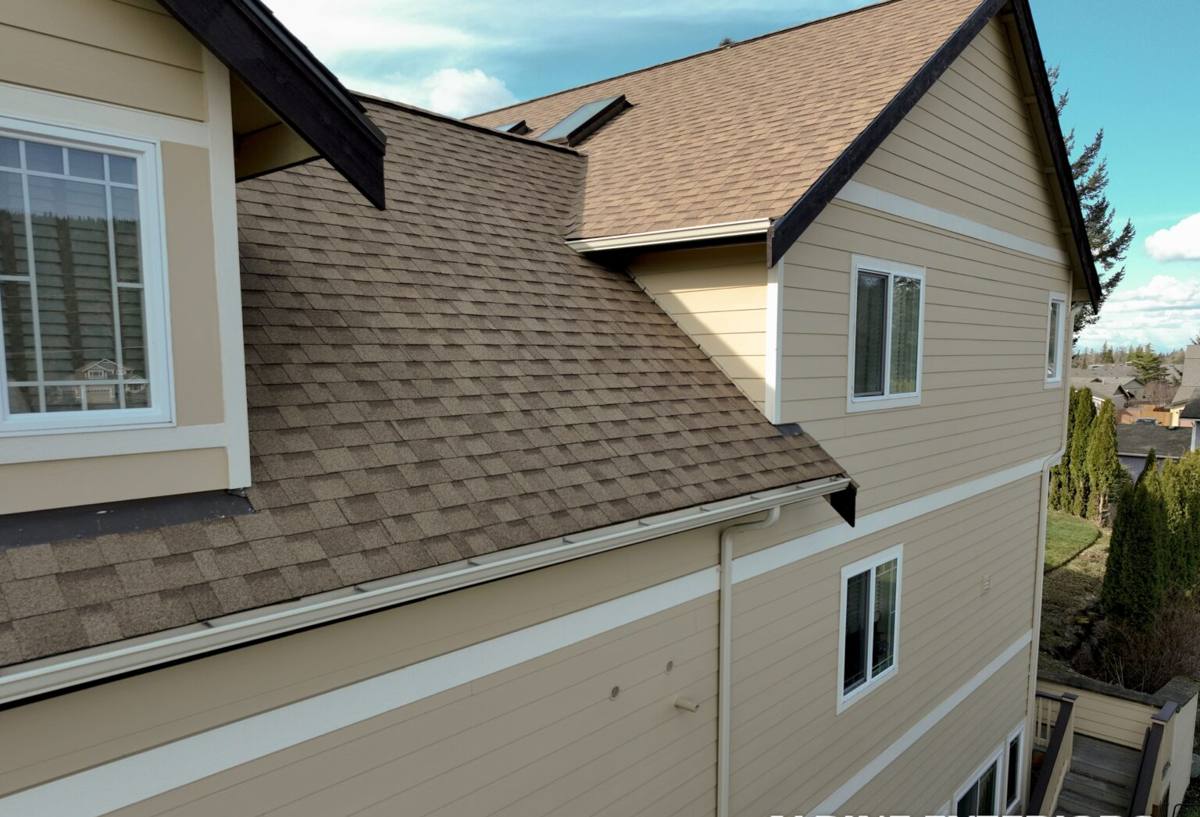
How Salt Air, Rain, and Moss Attack a Window System
It helps to understand what's actually working against your windows year-round in this part of Whatcom County:
- Salt air corrosion: Airborne salt accelerates corrosion on metal window hardware, screws, and flashing that isn't rated for coastal exposure. Cheaper fasteners and unprotected trim nails are usually the first thing to fail.
- Driving rain: Wind-driven rain doesn't fall straight down — it gets pushed sideways and upward into gaps, seams, and nail holes that would never see water in a calmer climate. This is why flashing sequence matters more here than in drier regions.
- Prolonged dampness: A long moss season means extended stretches where wood trim, siding, and window sills stay damp instead of drying out between rains. Any wood that isn't properly sealed or back-primed becomes a slow-motion rot problem.
- Freeze-thaw cycling: Whatcom County gets enough cold snaps that trapped moisture behind a window can freeze, expand, and widen small gaps into bigger ones over a few winters.
None of this is exotic — it's just steady, ordinary weather doing what it does. The fix isn't a special "coastal window." It's disciplined installation practice paired with materials suited to the job.
Signs a Window Needs Replacing, Not Just Recaulking
Homeowners often ask whether a problem window can be patched instead of replaced. Sometimes it can. Here's a quick self-check before you decide:
- Visible daylight or drafts around the frame when the window is closed and locked
- Soft or spongy wood trim, sill, or the wall surface just below the window
- Fogging or moisture trapped between the panes of a double-pane window (a sign the seal has failed)
- Difficulty opening, closing, or locking the window smoothly
- Visible mold or a musty smell near the window when it rains
- Paint that bubbles, peels, or won't hold near the frame despite repeated touch-ups
- Noticeably colder rooms near certain windows compared to the rest of the house
One or two of these might mean a repair is enough. Several together, especially soft wood or persistent moisture, usually point to a failed installation underneath — and that calls for replacement, not another tube of caulk.
What a Correct Window Installation Actually Involves
A window is only as good as the fifteen minutes of prep work that happens before it's ever set into the opening. This is where most bad installations go wrong, and it's invisible once the trim goes back on — which is exactly why it matters to hire people who won't cut corners nobody will ever see.
Sill Pan and Drainage Plane
Every opening should get a sloped sill pan that directs any water that gets past the window back outside, not into the wall cavity. This is non-negotiable in a climate with this much driving rain — a flat or unsealed sill is one of the most common causes of hidden rot behind window trim in older Whatcom County homes.
Flashing Sequence
Flashing tape and building paper have to be layered in the correct shingle-style order — bottom pieces overlapped by the ones above them — so water sheds downward and outward no matter which direction the wind is pushing rain. Skipping a layer or flashing out of sequence creates a funnel straight into the wall.
Air Sealing and Insulation
The gap between the window frame and the rough opening needs to be sealed with a proper low-expansion foam or backer rod and sealant — not stuffed with fiberglass insulation alone, which does nothing to stop air infiltration and can actually hold moisture against the frame.
Fasteners and Hardware
In salt-air-exposed areas, corrosion-resistant fasteners matter. Standard hardware can start rusting and staining trim within a few seasons this close to the water.
Interior and Exterior Sealant
The final bead of sealant is a backup, not the primary defense — but it still needs to be applied to clean, dry, properly prepped surfaces with a sealant rated for this climate's temperature and moisture swings.
Choosing the Right Window for a Nooksack-Area Home
Material choice matters, but it matters less than installation quality — a great window installed poorly will fail before a decent window installed correctly. That said, here's how the common frame materials compare for this climate:
| Material | Moisture Resistance | Maintenance | Typical Fit For |
|---|---|---|---|
| Vinyl | Very good — won't rot, resists salt air well | Low — occasional cleaning | Most homes wanting a durable, budget-conscious option |
| Fiberglass | Excellent — very stable in temperature and moisture swings | Low | Homeowners wanting maximum longevity and minimal upkeep |
| Wood (clad exterior) | Good on the exterior face; interior wood needs care | Higher — exterior clad protects wood, but seals and caulking need periodic inspection | Homes prioritizing a traditional interior look |
| Aluminum | Fair — prone to condensation and thermal transfer without thermal breaks | Moderate | Limited use in this climate unless thermally broken |
For most Nooksack-area homes, vinyl or fiberglass frames offer the best balance of moisture resistance and low upkeep given the volume of rain and the length of the wet season here. Wood-clad windows can still be the right call for homeowners who want that look and are willing to keep up with periodic sealant inspection — we're happy to walk through the trade-offs honestly rather than push one product line.
Glass Package Considerations
Double-pane, low-E glass with argon fill is the practical baseline for this region — it cuts heat loss and reduces condensation on the interior glass surface during cold, damp mornings. Triple-pane glass adds further insulation value and can be worth it for north-facing rooms or homes closer to the water where wind exposure is higher, though it comes at added cost and weight.
Our Window Installation Process
- On-site assessment: We inspect existing window openings, sills, and surrounding siding or trim for hidden rot or moisture damage before quoting anything.
- Measurement and product selection: Exact opening measurements and a conversation about frame material, glass package, and budget.
- Removal: Old windows are removed carefully to avoid unnecessary damage to surrounding siding and trim.
- Rough opening repair: Any soft wood, failed flashing, or moisture damage found underneath is repaired before the new window goes in — we don't install over a problem and hope it holds.
- Sill pan and flashing installation: Sloped sill pan and correctly sequenced flashing tape, matched to your siding type.
- Window setting and leveling: The unit is shimmed, leveled, and squared before fastening — a window that's out of square will bind, leak, or both.
- Air sealing: Low-expansion foam or backer rod and sealant around the full perimeter of the frame.
- Interior and exterior trim, sealant, and cleanup: Trim is reinstalled or replaced as needed, exterior caulking is applied, and the work area is cleaned up.
- Final walkthrough: We test operation, locks, and seals with you before calling the job done.
New Construction vs. Replacement (Retrofit) Windows
There are two basic approaches, and picking the right one for your situation matters:
| Approach | Best For | What It Involves |
|---|---|---|
| New construction window | Homes where siding is also being replaced, or rough openings need repair | Nailing flange installed into the framing, full access to flashing and sheathing — the most thorough option |
| Replacement (retrofit) window | Homes with sound siding and trim that you want to keep intact | New window fits into the existing frame opening — faster, less disruptive, but only appropriate if the existing frame and sill are still sound |
We'll tell you honestly which approach fits your home rather than defaulting to whichever is easier for us. If we find rot or moisture damage during assessment, a retrofit install over a bad frame isn't a real fix — it just hides the problem behind a new window for a few more years.
What Affects Cost
Every home is different, but the main cost drivers on a window replacement project are generally:
| Factor | Why It Matters |
|---|---|
| Number and size of windows | More or larger openings mean more material and labor |
| Frame material | Vinyl is typically the most budget-friendly; fiberglass and wood-clad cost more upfront |
| Glass package | Triple-pane and specialty coatings add cost over standard double-pane low-E |
| Installation type | New construction installs generally involve more labor than straightforward retrofits |
| Hidden repairs | Rot or moisture damage found in the rough opening adds material and labor to fix properly |
| Access and site conditions | Second-story windows or difficult access can add time |
We give straightforward, itemized estimates so you can see exactly what you're paying for — no vague lump-sum numbers that hide where the money is going.
Why It Matters to Hire a Crew That Already Works This Area
A crew that regularly works window jobs around Ferndale and the broader Nooksack area already knows how local siding types, sill details, and framing common to Whatcom County homes tend to be built — and where they tend to have problems. That's not something you can fake with a generic install checklist written for a drier climate. We know to slow down on flashing sequence because we've seen what driving rain does to a rushed job, and we know why corrosion-resistant fasteners aren't optional this close to salt air.
Local also means accountability. If something needs a warranty check or a follow-up adjustment after the first hard winter, we're not driving in from three counties away — we're already working in the neighborhood.
Caring for Your Windows After Installation
A correctly installed window still benefits from basic upkeep, especially given how long the wet season runs here:
- Rinse accumulated salt residue and grime off frames and glass periodically, particularly on sides facing prevailing wind and rain
- Check exterior caulking annually for cracking or separation, especially after the first year as materials settle
- Keep gutters and downspouts clear so water isn't sheeting down over window heads
- Clear moss or debris that accumulates on sills or nearby trim before it holds moisture against the surface
- Operate locks and hardware periodically through the seasons so mechanisms don't seize
None of this is demanding — a few minutes a couple of times a year — but it extends the life of even a well-installed window system in this climate.
Get a Straightforward Estimate
If you're dealing with drafty, foggy, or rotting windows on a Nooksack-area home, we're glad to take a look and give you an honest read on what's going on — no pressure, no upsell script. Use the form below to request a free estimate and we'll walk the property with you.