 Ferndale Siding
 Roofing in Custer Isn't the Same as Roofing Inland
Custer sits close enough to the water that salt-laden air, wind-driven rain, and a moss season that can run nine months out of the year all show up on a roof faster than they would twenty miles inland. A roof system that would hold up fine in a drier part of the state can start showing granule loss, moss colonies, and soft decking within a few years out here if it wasn't built for this specific climate. New roof installation in Custer and the surrounding Ferndale area has to account for that from the first nail, not as an afterthought.
This page focuses on one job — installing a new roof on a home in Custer — and what that actually involves when the goal is a roof that still looks and performs well after a decade or two of Whatcom County weather, not just after the first dry summer.
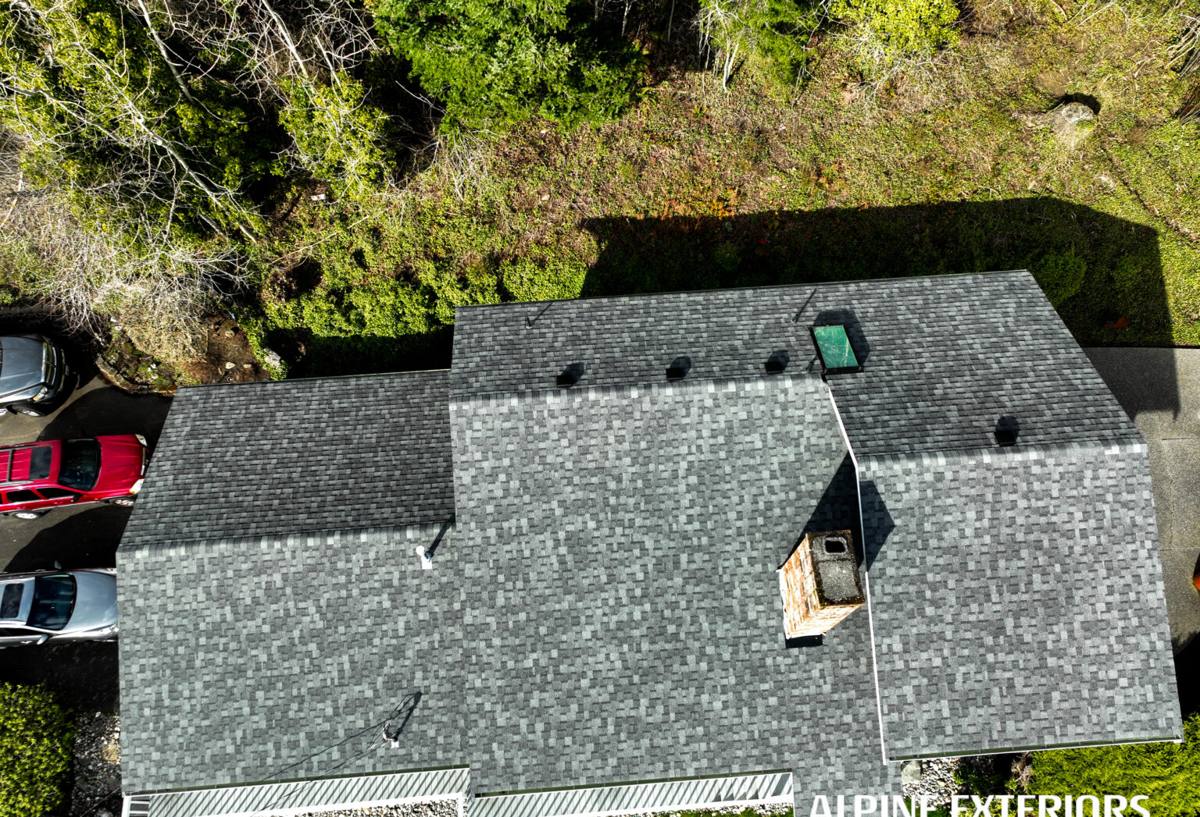
What Custer's Climate Actually Does to a Roof
Three things drive almost every roofing problem we see out here:
- Salt air — corrodes exposed fasteners, flashing, and metal accessories faster than inland environments, which matters a lot if a roofer uses the wrong grade of hardware.
- Driving rain — wind off the water pushes rain sideways and up under shingle tabs and flashing edges, which is why lap direction and fastener placement matter more here than in calmer climates.
- Long moss season — cool, damp, shaded conditions for much of the year let moss and algae take hold on north-facing slopes and anywhere debris collects, and moss holds moisture against the roofing material long after the rain has stopped.
None of these are reasons to avoid a particular roof type. They're reasons to install every roof — asphalt, metal, or otherwise — with materials and details chosen for this exposure.
What a Correctly Installed Roof Includes Here
Decking Condition Comes First
Before any new material goes down, the existing decking gets inspected panel by panel. In homes that have gone a few years with a slow leak or moss holding moisture against the roof, it's common to find soft or delaminated plywood, usually near valleys, chimneys, or wherever moss has been sitting the longest. Installing a new roof over bad decking just hides the problem — it doesn't fix it, and it can void the shingle warranty outright.
Underlayment and Water Barrier
Given how much rain this area gets, we treat underlayment as a real second line of defense, not a formality. Ice-and-water shield goes at eaves, valleys, and around every penetration — chimneys, vents, skylights — anywhere water is most likely to find a way in during a sideways rain event. Synthetic underlayment covers the rest of the field, giving better tear resistance and water holdout than old-style felt, and it's also safer to walk on when a roof is wet, which is most days during install season here.
Flashing Details That Matter in Wind-Driven Rain
Flashing is where most roof leaks actually start, not in the field of the shingles. Step flashing at walls, counter-flashing at chimneys, and proper valley metal all need to be lapped and fastened correctly for wind that isn't always coming straight down. We use corrosion-resistant flashing metal given the salt exposure this close to the coast — standard galvanized fasteners and trim can start rusting years before they should out here.
Ventilation Sized for a Marine Climate
An underventilated attic in a damp coastal climate traps moisture, which condenses on the underside of the decking and encourages rot from the inside — a problem that has nothing to do with the roofing material on top. Balanced intake (soffit) and exhaust (ridge or box vents) ventilation is part of a correct install, not an upsell.
Moss: The Roof Problem That Never Fully Goes Away
Moss doesn't just look bad. It lifts shingle edges as it grows, holds water against the roofing surface, and works its way into seams over time. In Custer's shaded, damp conditions, moss control is an ongoing part of roof ownership, not a one-time fix. What we build in at installation:
- Zinc or copper strips near the ridge on shingle roofs, which release trace metal ions that discourage moss growth on the slopes below as rain washes over them.
- Algae-resistant shingle granules on new asphalt roofs, which slow the black streaking and biological growth common on north-facing slopes.
- Attention to slope and overhang design where we have input, since low-slope sections and heavily shaded areas collect moisture the longest.
None of this makes a roof moss-proof forever. It buys years of extra performance and makes routine moss removal (soft washing, not pressure washing, which can strip granules) far more effective when it is needed.
Roofing Materials for Custer Homes: The Trade-offs
There's no single "best" roofing material for this climate — the right choice depends on the home, the budget, and how much long-term maintenance an owner wants to take on. Here's how the common options actually compare for salt air, rain, and moss exposure:
| Material | Salt Air / Moisture | Moss Resistance | Typical Lifespan Here | Trade-offs |
|---|---|---|---|---|
| Architectural asphalt shingle | Good with proper flashing | Good with AR granules | 20–30 years | Most affordable; needs periodic moss/algae maintenance |
| 3-tab asphalt shingle | Fair | Fair | 15–20 years | Lower upfront cost, shorter lifespan and lower wind rating |
| Standing seam metal | Excellent with coated/coastal-rated panels | Excellent — sheds moss easily | 40–50+ years | Higher upfront cost; requires correct fastener and coating spec near salt air |
| Cedar shake | Fair — needs regular treatment | Poor without maintenance | 20–25 years with upkeep | Traditional look, but moisture and moss are a constant maintenance burden in this climate |
For most Custer homes, a quality architectural shingle with proper flashing and moss-prevention details hits the right balance of cost and performance. Metal is worth serious consideration for homeowners planning to stay long-term or wanting to minimize future maintenance, despite the higher install cost.
What Roof Replacement Costs Depend On
We don't publish flat prices because roof cost is genuinely driven by the specifics of the home, but these are the real factors that move the number:
| Factor | Why It Matters |
|---|---|
| Roof size and number of facets | More squares and more valleys/hips mean more material and labor time |
| Pitch and access | Steep or hard-to-access roofs require more safety setup and slow the work down |
| Decking condition | Rotted or delaminated plywood found during tear-off has to be replaced before new roofing goes on |
| Material choice | Asphalt, metal, and cedar carry very different material and labor costs |
| Ventilation and flashing upgrades | Bringing an older roof's ventilation or flashing up to current standards adds work but reduces future problems |
| Layers to remove | Tearing off multiple existing layers costs more than a single-layer tear-off |
The only way to get an honest number is a physical inspection — we're not going to quote a Custer reroof off a photo or a square-footage guess, given how much decking condition and detailing vary house to house.
How Our Process Works
- On-site inspection of the current roof, attic ventilation, and any signs of moisture damage or moss buildup
- Written estimate that spells out material, underlayment, flashing, and ventilation scope — no vague line items
- Permitting handled on our end where required, coordinated with Whatcom County
- Full tear-off and decking inspection, with any soft or damaged plywood replaced before new material goes down
- Ice-and-water shield at eaves, valleys, and penetrations; synthetic underlayment across the field
- Corrosion-resistant flashing installed at every wall, chimney, and valley intersection
- New roofing material installed to manufacturer spec, including proper nailing pattern for wind exposure
- Ventilation balanced between intake and exhaust before closing out the job
- Full site cleanup, including magnetic sweep for stray fasteners
- Final walkthrough so the homeowner can see the completed work and ask questions before we consider the job done
Why It Matters That We Already Work in Custer
A crew that regularly works Custer and the Ferndale area already knows which slopes hold moss longest, how far wind-driven rain travels up under a poorly lapped shingle, and what Whatcom County's permitting process looks like for a straightforward reroof versus a job that involves structural repair. That familiarity shows up in small decisions — where to add an extra course of ice-and-water shield, which flashing metal to spec given the salt exposure — that a crew unfamiliar with this specific stretch of coastline might not think to make.
It also means we're not guessing at local code requirements or driving in blind on wind and moisture exposure. We've seen what a poorly detailed roof looks like five years later in this climate, and we build every install to avoid becoming that roof.
After Installation: What Keeps a Custer Roof Performing
A correct install is most of the battle, but a little upkeep goes a long way in this climate:
- Keep gutters and valleys clear of needles and debris, which are where moss gets its first foothold
- Have moss soft-washed (not pressure-washed) if it starts to establish, rather than letting it spread across a slope
- Check attic ventilation isn't blocked by insulation, especially after any attic work
- Have flashing and fastener points glanced at every few years, since that's where salt-air corrosion shows up first
If you're weighing a new roof for a home in Custer or elsewhere around Ferndale, we're glad to come take a look and give you a straight answer on what your roof actually needs — no pressure, no inflated scope. Fill out the form below for a free estimate.