 Ferndale Siding
 New-Construction Windows for Everson Homes
Everson sits inland from the salt air of Bellingham Bay but still gets the full brunt of Whatcom County's wet season — long stretches of driving rain off the Nooksack valley, heavy fall and winter moisture, and enough overcast, humid stretches most of the year to keep moss and mildew a constant concern on anything with a north- or west-facing exposure. When a home is being built new, the window installation is one of the few chances to get moisture management right from day one instead of chasing leaks later. We install new-construction windows on homes going up in and around Everson, working directly with builders, general contractors, and owner-builders who want the window opening detailed correctly the first time.
"New-construction" windows are a specific category — they come with a nailing fin (sometimes called a flange) that gets integrated into the wall's weather-resistive barrier before siding goes on. That's different from a "replacement" or "pocket" window, which is designed to slide into an existing frame on a remodel. Getting this distinction right matters: using the wrong window type, or installing the right window incorrectly, is one of the most common sources of hidden water intrusion in newer homes.
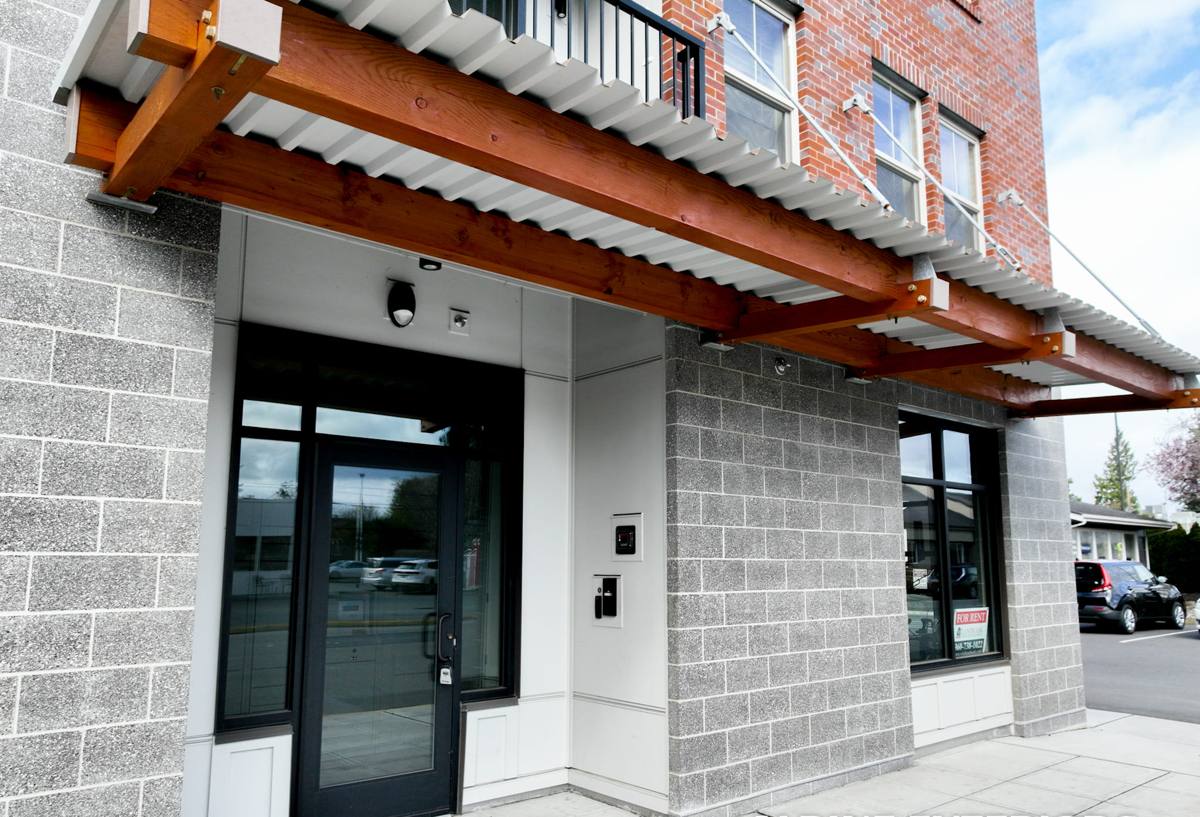
Why the Install Sequence Matters More Than the Window Itself
A new-construction window is only as good as the flashing and water management built around it. In a climate like ours, where a home can see well over 40 inches of rain a year and weeks of sustained damp weather, a shortcut at the rough opening doesn't show up as a problem immediately — it shows up two or three winters later as staining, soft trim, or mold inside a wall cavity that's expensive to open up and fix. We treat every rough opening the same way regardless of how small the job is:
- Sill pan flashing installed first, so any water that does get past the window has a path back out instead of soaking into the framing
- Weather-resistive barrier (house wrap) lapped correctly above and below the opening — never taped in a way that traps water inside the wall
- Window set plumb, level, and square, then fastened per the manufacturer's nailing schedule — skipping fasteners or over-driving them voids most warranties
- Flashing tape at the nailing fin, integrated shingle-style with the house wrap so water always sheds outward and downward
- Backer rod and exterior sealant at the trim line, sized and installed so it can actually flex with the building through temperature and moisture cycles
- Interior air sealing at the rough opening, which matters for energy performance and also keeps humid interior air from condensing inside the wall cavity
Every one of those steps is inspectable, and on new-construction work we're glad to walk a builder or homeowner through what's underneath the trim before it gets covered up.
What Whatcom County's Climate Asks of a New Window Install
The Pacific Northwest's marine climate is generally mild, but "mild" and "dry" are not the same thing. Everson's exposure to wind-driven rain coming up the Nooksack corridor, combined with a moss season that can run from fall through spring, means the building envelope around every window opening needs to handle sustained moisture, not just the occasional storm. A few things we pay particular attention to on local jobs:
Sustained Rain, Not Just Storms
A lot of window flashing details that work fine in a dry climate fail here simply because they're never given a chance to dry out between rain events. That's why we don't rely on sealant alone to keep water out — sealant is the last line of defense, not the plan. The flashing and drainage plane underneath has to do the real work.
Moss and Organic Growth
Anywhere water sits or drains slowly — a poorly sloped sill, a flashing lap that's backwards — becomes a spot where moss, algae, and mildew take hold faster than most homeowners expect. Correct sill pan slope and drainage keeps water moving off the window instead of pooling.
Temperature Swings and Condensation
Whatcom County doesn't see extreme cold often, but damp, chilly interior air against a poorly sealed window frame is a recipe for condensation and, eventually, wood rot in the surrounding trim. Proper interior air sealing at the rough opening addresses this at the source.
Our New-Construction Window Process
For a new build or addition in the Everson area, our process generally looks like this:
- Plan review and coordination. We look at window schedules and rough opening sizes against the actual framed openings before installation day, so sizing issues get caught before a window shows up on site and doesn't fit.
- Rough opening prep. We confirm the opening is square, properly sized, and that the house wrap or WRB is in place and ready for integration.
- Sill pan and flashing installation. This is the step that determines how the window performs for the next 20-plus years, and we don't shortcut it regardless of schedule pressure from other trades.
- Window setting and fastening. Plumb, level, square, and fastened to the window manufacturer's specification — not a generic nailing pattern.
- Exterior flashing and sealant. Integrated with the WRB so the whole assembly sheds water the same direction, every layer lapping correctly over the one below it.
- Interior sealing and walkthrough. We seal the interior side of the rough opening and, on request, walk the builder or homeowner through what was done before insulation and drywall cover it up.
Working With Your Builder or General Contractor
Most of our new-construction window work in Everson comes through coordination with a builder or GC rather than directly with the eventual homeowner. We're used to working within a framing and siding schedule, showing up when the opening is ready, and communicating clearly if something about the rough opening needs to be corrected before we can install. If you're a builder looking for a window crew that won't hold up your schedule or leave flashing questions for the siding crew to sort out later, that coordination is exactly what we bring to a job site.
If you're an owner-builder managing your own new construction, we're equally comfortable working directly with you — reviewing your window schedule, flagging any rough opening issues early, and documenting the flashing work as we go so you have a record of how each opening was detailed.
Choosing Window Types for New Construction
New-construction windows come in several frame materials and configurations. The right choice depends on budget, the home's design, and how much exposure a given wall sees to wind-driven rain.
| Frame Material | Typical Fit for Whatcom County Homes | Maintenance Consideration |
|---|---|---|
| Vinyl | Budget-friendly, good insulating value, widely available | Low maintenance; verify UV and impact rating for coastal exposure |
| Fiberglass | Strong dimensional stability through our temperature and moisture swings | Low maintenance; higher upfront cost than vinyl |
| Wood-clad | Preferred where a traditional interior wood look is wanted | Exterior cladding still needs the same flashing rigor; interior wood needs periodic finish upkeep |
| Aluminum | Common on larger openings and contemporary designs | Thermal break matters in our climate to control condensation |
We don't push one brand or material as the only correct answer — we'll talk through what fits your project's design, budget, and the specific wall's rain exposure, and install whatever you choose to the same flashing standard.
What a Poor Install Costs Down the Road
The reason we spend so much time on flashing detail is simple: a window that's installed wrong doesn't fail on day one. It fails quietly, inside the wall, over several wet seasons. By the time staining shows up on interior drywall or trim goes soft, the repair usually involves opening up siding and wall finish, not just resealing the window. On new construction, getting it right the first time is dramatically cheaper than any correction later — there's no existing finish work to protect, no drywall to cut into, and no siding to remove and reinstall. It's the cheapest point in a home's life to do this correctly.
Get an Estimate for Your Everson New-Construction Project
If you're framing a new home or addition in the Everson area and need a window crew that understands how to detail an opening for this climate, we'd like to hear about your project. We offer free, no-pressure estimates — send us your window schedule or rough opening details and we'll walk you through timing, process, and what to expect on installation day.