 Ferndale Siding
 Why Lummi Island Asks More of Your Siding
Lummi Island sits out in the marine air of Whatcom County, and that setting is part of what makes it beautiful — and part of what makes siding fail early if it's the wrong product or the wrong install. Homes here take on a combination most inland Ferndale properties don't see in the same intensity: constant salt-laden air off the water, wind-driven rain that hits siding sideways instead of straight down, and long stretches of shade and dampness that keep moss and mildew going almost year-round. Any one of those is manageable. Together, they punish siding that isn't built or installed for it.
Board and batten is a popular choice out here for good reason — it reads as a clean, timeless Pacific Northwest look that suits both older island cottages and newer builds. But the style only holds up if the material underneath it and the installation behind it are matched to island conditions. That's the part this page focuses on.
What Board & Batten Siding Actually Is
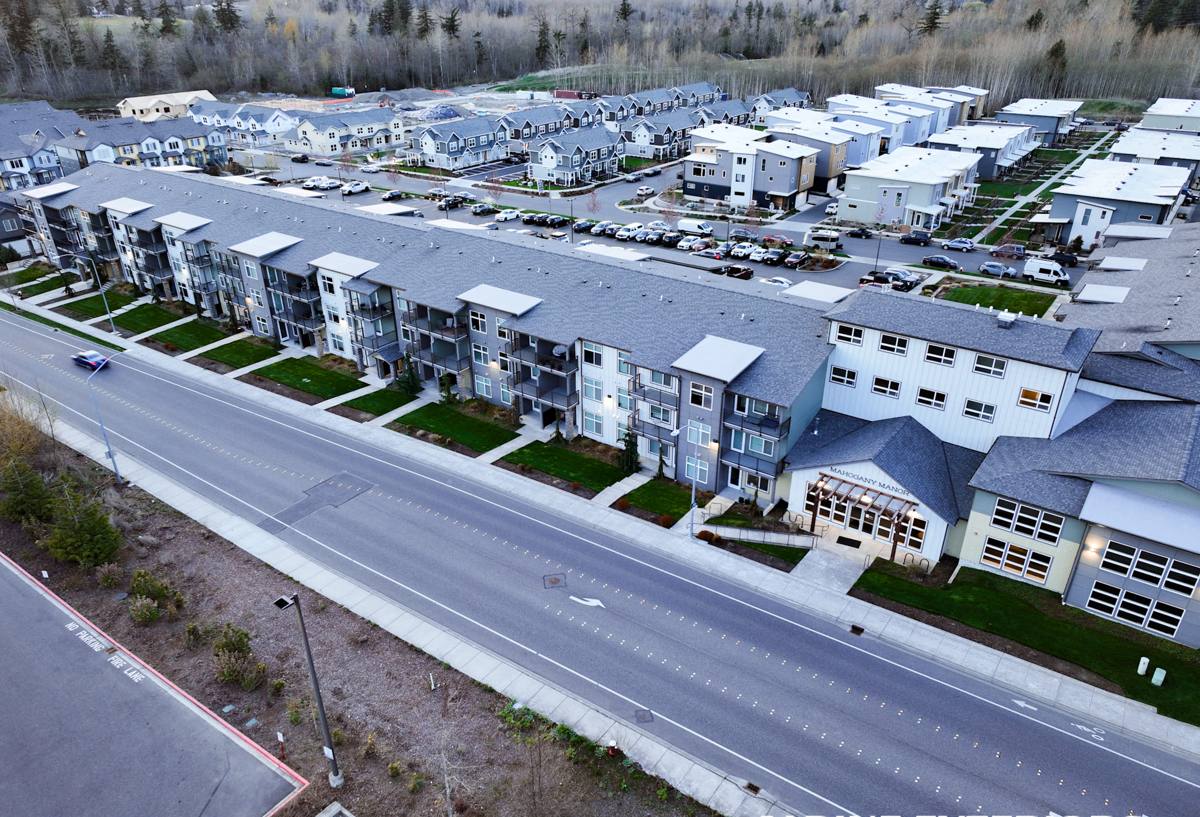
Board and batten is a vertical siding pattern: wide flat boards installed side by side with narrower strips (battens) covering the seams between them. It's one of the oldest siding patterns in American building, originally developed because it sheds water well when installed correctly — the vertical orientation and layered seams give rain a straight path down and off the wall instead of pooling horizontally.
That water-shedding behavior is exactly why it's a smart pattern for a place like Lummi Island, where wind-driven rain comes in sideways off the water. But the pattern only performs as designed if the boards, battens, fasteners, and the water-resistive barrier behind them are all doing their job. A good-looking board and batten wall with the wrong flashing detail behind it will look fine for a year or two and then start showing problems at the seams.
Why the Look Suits This Area
Board and batten's strong vertical lines complement the mix of traditional and modern homes found around the island and the broader Ferndale area — it doesn't compete with the surrounding landscape the way busier siding patterns can. It also pairs naturally with the simpler rooflines and covered porches common on island properties.
What a Correct Installation Requires Out Here
The visible pattern is the easy part. What separates a board and batten job that lasts twenty-plus years from one that needs repair in five comes down to details you won't see once the crew leaves.
Fastening and Corrosion Resistance
Salt air accelerates corrosion in fasteners and flashing far faster than it does a few miles inland. Standard fasteners that would be fine on a home in the middle of Whatcom County can start showing rust streaks on an island home within a couple of seasons. Every fastener, flashing piece, and trim accessory needs to be rated for coastal/marine exposure — not just "exterior grade."
Moisture Management Behind the Boards
Because board and batten relies on vertical seams, the water-resistive barrier and flashing behind those seams matter more than on a lap siding wall. A drainage plane (often a rainscreen gap) behind the siding lets any moisture that gets past the boards escape instead of sitting against the sheathing. On a wall that spends more of the year damp than dry — which describes most of Lummi Island through fall, winter, and spring — skipping this detail is how you end up with hidden rot years down the road, discovered only when the siding is already failing.
Moss and Algae Considerations
Shaded, moisture-holding surfaces on the island grow moss and algae faster than sunnier, drier walls. Board and batten's vertical channels between boards can either help (water runs off quickly) or hurt (debris and organic growth collect in poorly detailed seams) depending on how tightly the joints are built and finished. A factory-applied finish that resists moisture absorption at the surface makes a real difference here, because paint and stain that soak into the material give moss and mildew something to hold onto.
The Material Question: Why We Only Install One Product
We install James Hardie fiber cement board and batten exclusively. We don't install vinyl board and batten, engineered wood, primed spruce, or raw cedar board and batten, and on an island property that decision matters more than it would somewhere drier and calmer. Here's the honest comparison:
| Material | Salt Air / Corrosion | Moisture & Moss Resistance | Maintenance Burden | Typical Lifespan Here |
|---|---|---|---|---|
| James Hardie fiber cement | Non-combustible, dimensionally stable; factory ColorPlus finish resists salt and UV fade | Won't rot, doesn't feed mold like wood; engineered HZ5 formulation for this climate zone | Occasional rinse; no repainting on schedule | 30+ years installed correctly |
| Cedar / primed spruce board and batten | Absorbs salt-laden moisture into the grain over time | Natural food source for moss, mildew, and rot in constant dampness | Repainting or restaining every 3-6 years, plus rot inspection | Highly variable; often 10-20 years before major repair |
| Engineered wood (LP-type) | Moderate; edge swelling risk if moisture gets into cut ends or seams | Manufacturer treatments help, but installation errors at seams are unforgiving in wet climates | Low if installed perfectly; costly if not | Depends heavily on installer precision |
| Vinyl board and batten | Doesn't corrode, but becomes brittle and can crack in cold snaps | Can trap moisture behind panels if not vented properly; doesn't feed moss but can host it on the surface | Low, but damaged panels are hard to color-match years later | 15-25 years, shorter with UV and salt exposure |
Every one of those products has a legitimate use case somewhere. On Lummi Island, with salt air and sustained dampness working against the wall year-round, we've standardized on Hardie because it removes the two biggest risk factors — moisture absorption into the substrate and fastener/finish corrosion — without asking the homeowner to keep up a maintenance schedule to compensate.
Our Process for a Lummi Island Project
Working on the island isn't the same as working a job in downtown Ferndale, and we plan for that difference rather than treating it as an afterthought.
- On-site assessment: We look at wall exposure — which elevations take the brunt of the weather off the water — and check existing sheathing condition before quoting anything.
- Material and logistics planning: Board and batten panels, battens, trim, and fasteners are staged and confirmed before the crew and materials cross over, so a project doesn't stall mid-job waiting on a supply run.
- Tear-off and moisture check: Old siding comes off in sections so we can inspect the sheathing underneath for hidden water damage before it's covered back up.
- Water-resistive barrier and flashing: This is the step that determines whether the wall performs for 30 years or 10. We install a continuous drainage plane and flash every seam, window, and penetration to shed water down and out.
- Board and batten installation: Panels and battens go up with corrosion-resistant fasteners, correct spacing for expansion, and factory-finished edges sealed at cuts.
- Final walkthrough: We check seams, caulking, and trim details with the homeowner before calling the job done.
Why Hiring an Island-Familiar Crew Matters
A siding crew that hasn't worked on the island before will underestimate two things: logistics and exposure. Getting materials, equipment, and a crew across on a fixed schedule takes planning that doesn't exist for a job in town — a crew unfamiliar with that reality either pads the price heavily to cover their uncertainty or shows up unprepared and stretches the timeline. A crew that already works Lummi Island regularly has that logistics figured out, which keeps both the schedule and the price honest.
The second thing is exposure judgment. Not every wall on an island property takes the same beating — a wall facing open water needs different flashing attention than a sheltered, tree-covered wall that deals more with moss than wind-driven rain. A contractor who's done several island projects reads that difference on sight; one who hasn't is guessing.
Maintenance Once It's Installed
Correctly installed Hardie board and batten is low-maintenance, not no-maintenance. In a marine, moss-prone climate like this, a short annual routine keeps it performing as designed:
- Rinse siding once or twice a year to clear salt residue and organic buildup, especially on shaded or north-facing walls
- Trim back vegetation and tree branches that keep any wall section in constant shade or dripping condensation
- Check caulking at trim, window, and door edges annually — this is the first place seals wear out in salt air
- Clear gutters and downspouts before fall rains so runoff doesn't sheet down the siding face
- Look at seams and corners after major windstorms for any fastener movement or gaps
- Address any moss on adjacent roofing or decking promptly so it doesn't spread spores onto siding surfaces
What Drives the Cost on an Island Project
| Cost Factor | Why It Matters Here |
|---|---|
| Home size and wall exposure | More open-water-facing wall area means more flashing detail and time, not just more square footage |
| Existing siding removal | Tear-off and disposal costs more when old material is water-damaged and needs careful handling |
| Sheathing repair | Damp climates increase the odds of hidden rot found once old siding comes off |
| Material and crew logistics | Scheduling and transport to the island are built into the estimate up front, not added as a surprise |
| Trim and detail complexity | Corners, window returns, and batten spacing on a board and batten job take more layout time than lap siding |
We walk through these factors on-site so the estimate reflects your actual home, not a generic per-square-foot number that ignores what island conditions add to the job.
Get a Straight Answer for Your Home
If you're weighing board and batten for a Lummi Island property, we'll come look at the walls that matter most — the ones taking the weather straight off the water — and give you a clear, no-pressure estimate for doing it once, correctly, with a material built for this exact climate. Fill out the form below and we'll set up a time to walk the property with you.