 Ferndale Siding
 Why Nooksack's Climate Wears Down Siding Faster Than You'd Expect
Homes in and around Nooksack sit inside the same weather system that soaks all of Whatcom County: long wet winters, driving rain that comes in sideways off Pacific storms, salt-laden air pulled in from the Strait of Georgia and Bellingham Bay, and enough shade and dampness on north- and east-facing walls to keep moss and algae growing for most of the year. None of that is unusual for this part of Washington, but it adds up on a house. Siding here isn't just cladding — it's the single layer standing between your framing and months of near-constant moisture exposure.
The combination matters more than any one factor alone. Salt air accelerates corrosion on fasteners and trim. Driving rain finds every gap in flashing and caulk that a calmer climate would never test. And a long moss season means organic growth sits against the wall surface, holding moisture there instead of letting it dry. A siding product and installation that would hold up fine in a drier inland climate can start failing here in a fraction of the time — swelling, delaminating, or feeding rot behind the surface before a homeowner ever sees a visible problem.
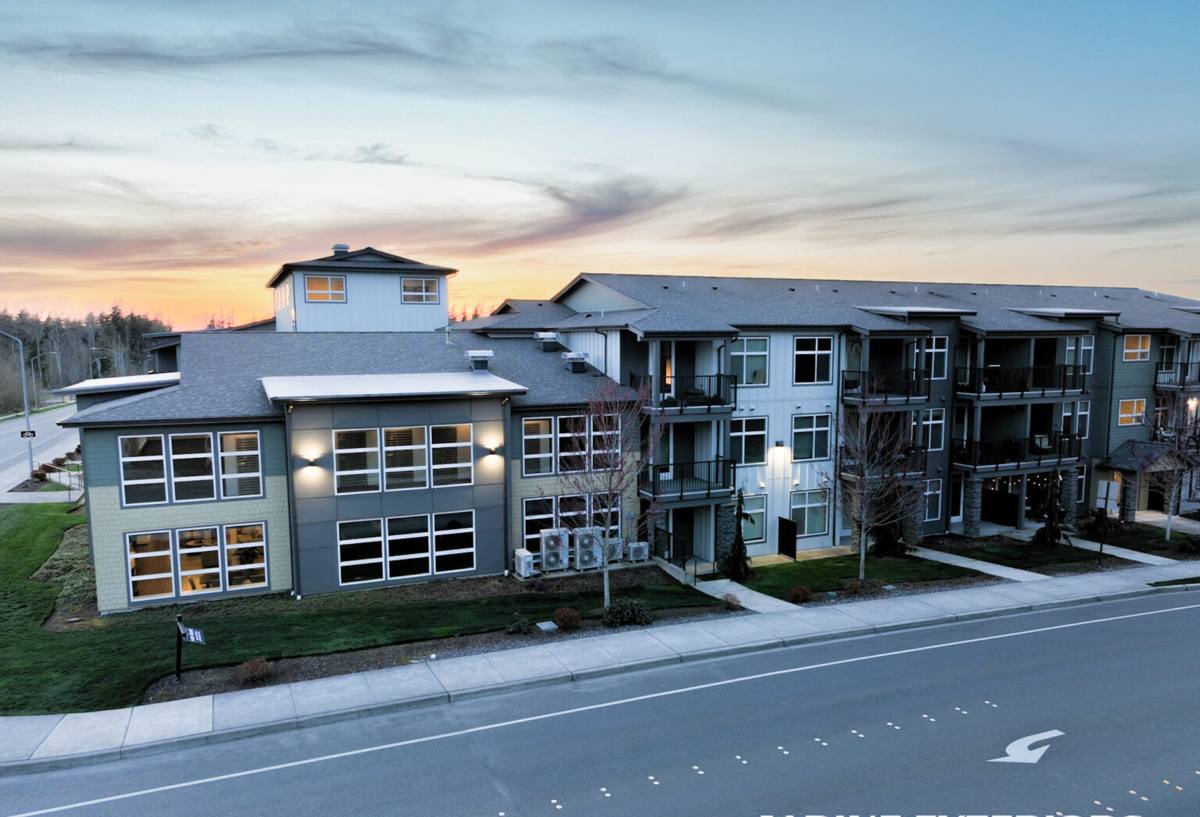
Why We Only Install James Hardie Fiber Cement
We made a deliberate decision to install James Hardie fiber cement siding exclusively — not vinyl, not LP SmartSide, not Cemplank, Allura, primed spruce, or cedar. That's not a marketing position; it's a standard we hold because of what we've seen the Whatcom County climate do to homes over time. Fiber cement is non-combustible, doesn't expand and contract with moisture the way wood-based products do, and doesn't rely on a plastic surface that can warp, fade, or crack under sun and cold cycling.
Wood-fiber siding products can perform well when they're kept dry and maintained on schedule, but a marine climate with a long wet season doesn't always give you that margin, and a missed maintenance cycle can turn into swelling or soft spots at the edges. Vinyl handles rain fine but has real limits on impact resistance, seam appearance, and how it holds up to direct salt-air exposure over decades. James Hardie's fiber cement formulation — sand, cement, and cellulose fiber — doesn't feed rot, doesn't absorb water the way wood products can, and holds its factory finish far longer than field-applied paint. For a property that's going to sit through twenty-plus more wet seasons, that difference compounds.
Non-Combustible by Design
Fiber cement doesn't burn, which matters everywhere but carries extra weight anywhere near dry summer wildfire smoke and ember exposure — a real consideration even in the normally damp Pacific Northwest during late-summer dry spells.
Engineered for This Exact Climate
James Hardie makes region-specific product formulations, and homes in Whatcom County fall into their HZ5 climate zone — engineered for areas that see significant moisture cycling and freeze-thaw swings. That's not a generic national product; it's a formulation built around the freeze/thaw and moisture profile of the Pacific Northwest specifically.
Matching the Right Hardie Product to a Nooksack Home
Most homes in this area use HardiePlank lap siding as the primary field material, which comes in several textures and exposures. Homes with more traditional or craftsman styling sometimes mix in HardieShingle for gable accents or HardiePanel for a board-and-batten look on porches and dormers. The right combination depends on the home's existing architecture, not a one-size answer, and part of our estimate walkthrough is figuring out what actually fits the house rather than defaulting to whatever's easiest to install.
ColorPlus Factory Finish
Every board we install with a ColorPlus finish is baked on at the factory in multiple coats, which matters a lot in a climate that gets this much rain — field-applied paint has to be reapplied on a maintenance cycle, and every repaint is a chance for moisture to get behind the coating if it's not done right. A factory finish removes that maintenance burden and holds its color and sheen far longer under constant damp exposure and UV cycling.
What Correct Installation Looks Like Here
James Hardie siding performs the way it's designed to only when it's installed to spec — and in a high-moisture climate, the installation details matter as much as the product itself. This is where a lot of siding jobs quietly go wrong, even with good materials.
Weather-Resistive Barrier and Drainage Gap
A correctly installed system starts with a weather-resistive barrier behind the siding and, in most cases here, a rainscreen gap that lets any moisture that does get past the cladding drain and dry out instead of sitting against the sheathing. Skipping or shortcutting this step is one of the most common causes of hidden rot behind siding that looks fine from the outside.
Flashing at Every Penetration
Windows, doors, hose bibs, vents, and any other wall penetration need proper flashing integrated with the water-resistive barrier — not just caulk. In a climate with this much driving rain, caulk alone is a maintenance item that will eventually fail; flashing is what actually sheds water long-term.
Fastening, Clearances, and Joints
James Hardie specifies exact nailing patterns, fastener types, and minimum clearances from grade, roofing, and decking — details that protect against both wind exposure and moisture wicking up from below. Butt joints need to be back-primed or factory-sealed and staggered correctly, and gaps at trim need to be sized to allow for the material's minor seasonal movement without cracking the finish.
Siding Options Compared for Whatcom County Conditions
Homeowners often ask how James Hardie stacks up against the alternatives once local climate is factored in. Here's an honest comparison based on how each material actually behaves in a wet, salt-air, moss-prone environment like this one — not marketing claims.
| Factor | James Hardie Fiber Cement | Vinyl | Wood / LP SmartSide |
|---|---|---|---|
| Moisture behavior | Doesn't absorb water or feed rot; stable in constant damp exposure | Sheds water well but can warp or buckle with heat/cold cycling | Engineered wood strand or solid wood; vulnerable if moisture gets past the coating |
| Finish longevity | Factory ColorPlus finish, typically decades before repaint needed | Color is through the material but can fade and chalk over time | Needs field-applied paint/coating on a repaint schedule |
| Fire resistance | Non-combustible | Melts and can contribute to fire spread | Combustible |
| Impact resistance | Strong resistance to hail, debris, and impact | Can crack in cold weather or from impact | Moderate; dents and impact damage possible |
| Maintenance burden | Occasional wash; no repainting on factory finish | Low, but limited repair options if damaged | Regular inspection and repainting/resealing needed |
| Typical lifespan (installed to spec) | 40+ years | 20–30 years | 15–25 years depending on maintenance |
Our Process, Start to Finish
Every project we run in this area follows the same sequence, because skipping steps is exactly how moisture problems get built into a wall for the next 20 years.
- On-site inspection: we look at the existing siding, sheathing condition, trim, flashing, and any signs of past moisture intrusion before quoting anything.
- Tear-off and sheathing check: old siding comes off and we inspect the sheathing underneath for soft spots or hidden rot before covering it back up.
- Weather barrier and drainage plane: a new water-resistive barrier goes on, with a rainscreen gap where the wall assembly calls for one.
- Flashing integration: windows, doors, and penetrations get flashed and tied into the barrier system before any siding goes up.
- Hardie installation to manufacturer spec: correct fastener type, nailing pattern, board clearances, and joint treatment throughout.
- Trim, caulking, and touch-up: factory-finish touch-up paint matched to the ColorPlus color, and final detail work at corners and transitions.
- Final walkthrough: we go over the finished job with the homeowner before calling it done.
Keeping Hardie Siding Looking Right: A Homeowner's Checklist
James Hardie siding is low-maintenance, not no-maintenance — especially with a moss season this long. A few habits go a long way toward protecting the investment:
- Rinse siding with a garden hose (not a pressure washer aimed directly at seams) once or twice a year to clear moss spores and salt residue.
- Keep gutters clean so overflow doesn't run down the wall face and stay wet longer than it should.
- Trim back shrubs and trees so foliage isn't holding moisture and shade against the siding.
- Check caulking at trim and penetrations annually and have any cracked or missing caulk redone before the next wet season.
- Watch for moss or algae buildup on shaded north- and east-facing walls, and clean it off before it thickens.
- Have any impact damage (branch strikes, equipment bumps) repaired promptly rather than left exposed.
Why Hiring a Crew That Already Works This Area Matters
Installation quality is what actually determines whether siding performs for 10 years or 40, and that's directly tied to whether the crew understands the specific conditions they're building for. A crew that regularly works in Whatcom County's marine climate already knows how much rainscreen clearance matters here, how aggressively moss establishes itself on shaded walls, and how salt air affects fastener and trim choices over time. That's different knowledge than a crew used to a dry inland climate applying the same techniques by default.
It also matters for something more basic: being reachable. A local crew can come back out for a warranty check, answer a question about a caulking line a year later, or look at a section that's showing early wear — without a homeowner having to track down someone who did a one-off job and moved on. For an exterior investment meant to last decades, that ongoing accessibility is worth as much as the installation itself.
Warranty and Long-Term Value
James Hardie backs its fiber cement siding with a strong, transferable limited warranty, and the ColorPlus finish carries its own separate finish warranty covering fade and peeling. Transferability matters at resale — a documented warranty on the exterior is something a buyer's inspector and agent will both notice, and it's evidence the siding was installed by a program that follows manufacturer specs rather than assembled ad hoc.
The bigger picture is straightforward: in a climate that punishes shortcuts, the products and installation details that seem like overkill elsewhere are what actually protect a home here. Fiber cement siding installed correctly, with the right drainage, flashing, and fastening, is priced to reflect real materials and real labor — but it's priced against a 40-plus-year service life in conditions that can strip years off cheaper systems within a decade.
If you're weighing a siding replacement for a home in the Nooksack area, we're happy to walk the property, look at what's there now, and put together a straightforward, no-pressure estimate for James Hardie siding done right for this climate. Use the form below to get started.