 Ferndale Siding
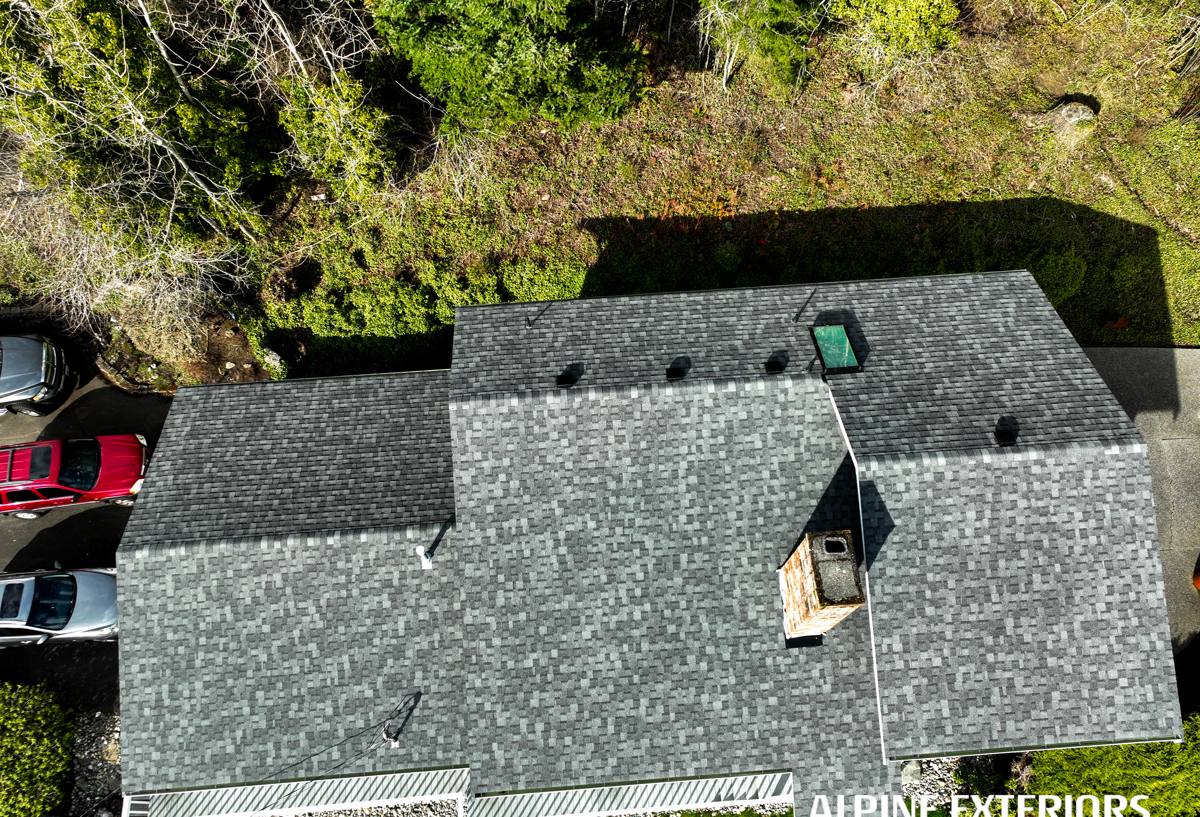
 New Roof Installation Built for Fairhaven's Coastal Conditions
Fairhaven sits close enough to the water that its homes deal with a different set of roofing stresses than houses ten or fifteen miles inland. Salt-laden air off Bellingham Bay, wind-driven rain that finds every weak seam, and a moss season that can run eight or nine months out of the year all put extra demands on a roof system. When we install a new roof for a Fairhaven property, we're not just swapping old material for new — we're building a system specifically suited to how weather behaves in this part of Whatcom County.
A roof that would hold up fine in a drier, more sheltered inland neighborhood can underperform here if it's installed without accounting for coastal humidity, prevailing wind direction, and the tree cover that keeps many Fairhaven roofs shaded and damp for long stretches of the year. That's the gap we work to close on every installation.
What Salt Air, Driving Rain, and Moss Actually Do to a Roof
Salt Air and Corrosion
Airborne salt accelerates corrosion on any exposed metal — fasteners, flashing, vent caps, and gutter hardware. Standard electro-galvanized fasteners can start showing rust streaks well before their expected service life in a coastal-influenced environment. It's a slow process, but over ten or fifteen years it shows up as staining, weakened fastener holding power, and premature flashing failure.
Wind-Driven Rain
Rain that falls straight down is easy for almost any roof to shed. Rain that's being pushed sideways by wind off the water is a different problem — it can work its way up under shingle tabs, into open valleys, and around poorly sealed penetrations like plumbing vents and roof-mounted fixtures. Underlayment quality and how carefully the details are sealed matter more here than they would in a calmer inland setting.
Moss and Sustained Moisture
Whatcom County's long wet season, combined with tree cover common in Fairhaven, keeps a lot of roof surfaces damp for extended periods. That's exactly the condition moss needs to establish. Moss holds moisture against the roofing material, lifts shingle edges as it grows, and can work its way into seams over time. Left unmanaged, it shortens the effective life of even a well-installed roof.
What a Correctly Installed Roof Includes in This Climate
A roof install that's actually built for Fairhaven's conditions goes beyond laying down shingles or panels. The details below are where a roof either holds up for its full expected lifespan or starts causing problems within the first several years.
- Corrosion-resistant fasteners and flashing — stainless or heavier-gauge coated hardware in place of standard fasteners, especially on roofs closer to the water
- Ice-and-water shield at vulnerable areas — valleys, eaves, and around every penetration, not just where code minimums require it
- Properly lapped, high-quality underlayment — the roof's real second line of defense against wind-driven rain getting past the surface material
- Balanced attic ventilation — intake and exhaust sized to move moist air out before it condenses against the roof deck from underneath
- Zinc or copper strips at the ridge, where appropriate — a proven, low-maintenance way to slow moss and algae regrowth on shaded roofs
- Sealed penetrations done right the first time — every vent, stack, and fixture properly boot-flashed rather than caulked as a shortcut
Material Choices for a Fairhaven Roof
There's no single "best" roofing material for every home — it depends on the structure, the budget, sun and shade exposure, and how much upkeep the homeowner wants to take on. Here's how the common options stack up for a coastal Whatcom County property.
| Material | Coastal/Moisture Performance | Typical Lifespan | Maintenance Needs |
|---|---|---|---|
| Architectural asphalt shingle | Good, when installed with upgraded underlayment and flashing | 25-30 years | Periodic moss treatment, gutter clearing |
| Standing seam metal | Excellent shedding of wind-driven rain; needs quality coating for salt exposure | 40-50+ years | Low; occasional fastener and seam checks |
| Synthetic/composite shake | Good moisture resistance, consistent performance in shade | 30-40 years | Low to moderate |
| Cedar shake | Requires diligent maintenance in a damp, shaded climate | 20-30 years with upkeep | High — regular treatment and inspection |
We'll walk through these trade-offs honestly during an estimate rather than steering every homeowner toward the same product. A shaded, tree-covered Fairhaven lot calls for different priorities than an open lot with more direct sun and wind exposure.
Our Installation Process
1. Inspection and Deck Assessment
Before any material goes down, we check the roof deck itself. Coastal moisture and past moss growth can hide slow leaks that have softened sheathing in spots. Installing a new roof over compromised decking just sets up a future failure, so any soft or damaged sections get replaced before we move forward.
2. Tear-Off and Prep
Full removal of the old roofing system lets us inspect the deck completely and start clean, rather than layering new material over unknown conditions underneath.
3. Underlayment and Flashing
This is where the coastal-specific details come in — upgraded underlayment coverage, ice-and-water shield at the vulnerable areas, and flashing sized and fastened for long-term corrosion resistance.
4. Ventilation Check
We evaluate whether the existing intake and exhaust ventilation is adequate. Undersized or unbalanced ventilation is one of the most common causes of premature roof failure in damp, shaded climates like this one, and it's far cheaper to correct during installation than after.
5. Material Installation
Installed to manufacturer specification, with the added coastal-specific details built in — not treated as optional upgrades.
6. Final Walkthrough
We review the finished roof with the homeowner, including care and maintenance recommendations specific to a Fairhaven property — particularly around moss management and gutter maintenance given the tree cover common in the area.
Signs a Fairhaven Roof Needs Replacement, Not Another Repair
- Granule loss heavy enough that shingle color looks patchy or the roof surface looks bare in spots
- Moss growth that keeps returning within a season or two of cleaning, even after treatment
- Soft spots, sagging, or visible deck movement when walked on
- Staining or streaking around fasteners and flashing, a sign of ongoing corrosion
- Leaks appearing in more than one location, or in new locations after past repairs
- Roof age approaching or past the upper end of its expected material lifespan
One or two of these on their own might just call for a targeted repair. Several at once, or a roof already near the end of its expected service life, usually means replacement is the more cost-effective path — repeated patch repairs on an aging coastal roof tend to cost more over time than a single properly built replacement.
Why a Crew That Already Works Fairhaven Matters
Roofing crews that mostly work drier, inland areas don't always build in the coastal-specific details as a default — they're used to conditions where a standard installation holds up fine. A crew that regularly works Fairhaven and the surrounding Whatcom County coastline treats upgraded flashing, sealed penetrations, and moss-resistant details as standard practice, not upsells, because we've seen what happens on roofs that skip them.
Familiarity with the area also means fewer surprises during the job — knowing what local permitting looks like, what to expect from typical roof pitches and structures in the neighborhood, and how to sequence work around this region's rain patterns so the deck isn't left exposed longer than necessary.
Cost Factors for a New Roof in Fairhaven
Every roof is priced individually after an on-site inspection, but the main factors that move the number are consistent:
| Factor | Why It Affects Cost |
|---|---|
| Roof size and complexity | More valleys, dormers, and penetrations mean more labor and flashing detail |
| Material selection | Asphalt, metal, and composite options carry different material and labor costs |
| Deck condition | Rot or moisture damage found during tear-off requires sheathing repair or replacement |
| Access and pitch | Steeper roofs and tighter site access increase labor time and equipment needs |
| Ventilation upgrades | Adding or rebalancing intake/exhaust vents adds scope but reduces future moisture issues |
We provide a detailed, itemized estimate before any work begins, so there's no guessing about what's included.
Ready for an Honest Look at Your Roof?
If your Fairhaven roof is showing its age, dealing with recurring moss, or you just want a clear-eyed opinion on whether repair or replacement makes more sense, we're glad to take a look. Reach out for a free, no-pressure estimate using the form below — we'll walk the roof, explain what we find in plain terms, and give you options that fit your home and your budget.