 Ferndale Siding
 Roofing in Custer Isn't the Same Job as Roofing Inland
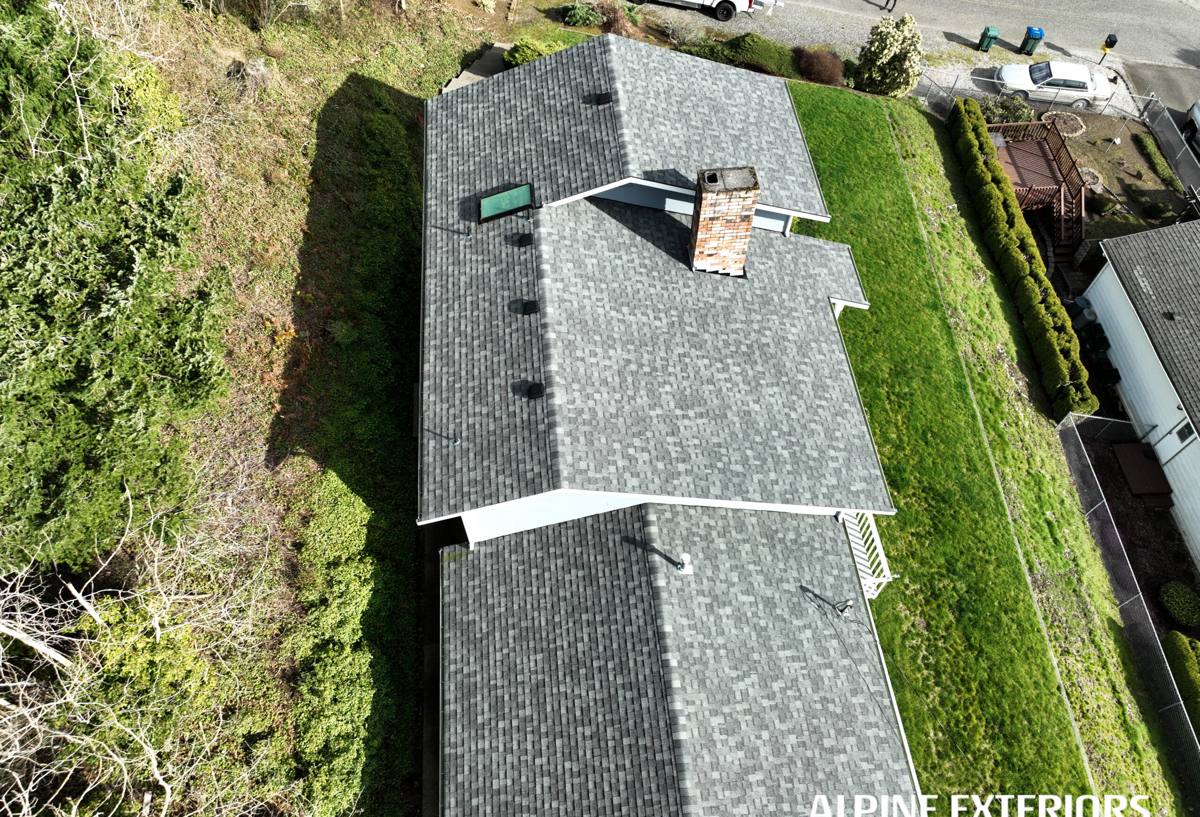
Custer sits close enough to the water and open farmland that its roofs take a different kind of beating than a roof twenty miles inland. You've got salt-laden air rolling off the Strait of Georgia and Drayton Harbor, wind with nothing to slow it down across open fields, driving rain that comes in sideways more often than straight down, and a moss and algae season that runs longer here than almost anywhere else in Washington. An asphalt shingle roof that's installed the same way you'd install one in a sheltered subdivision in Bellingham will wear faster in Custer. The materials, the flashing details, and the ventilation all need to account for the specific conditions this stretch of Whatcom County throws at a roof.
This page is about doing that job correctly — what a Custer roof actually needs, what a proper installation involves, and how our process works when we're up on your roof.
What Custer's Climate Actually Does to a Roof
Salt Air and Metal Fatigue
Salt in the air accelerates corrosion on anything metal — nail heads, flashing, drip edge, valley metal, roof vents. Over years, corroded fasteners lose their grip and corroded flashing develops pinholes. It's slow, and it's easy to miss until water starts finding its way in through a joint that used to be sealed.
Driving Rain and Wind-Driven Moisture
Rain that comes in at an angle behaves differently than rain that falls straight down. It gets pushed up under shingle tabs, into open valleys, and around anything that penetrates the roof deck — vents, chimneys, skylights. A roof built for calmer weather often skips redundancy in these spots because it rarely needs it. In Custer, it does.
The Long Moss Season
Shade, humidity, and cool temperatures for most of the year add up to a moss and algae season that starts earlier and ends later than it does in drier parts of the state. Moss holds moisture directly against the shingle surface for months at a time, which shortens the life of the shingle and, if left unchecked, works its way under tabs and lifts them.
What a Correct Asphalt Shingle Roof Needs Here
Underlayment That Does More Than the Minimum
Code minimum underlayment is a starting point, not a finish line. For Custer roofs we treat synthetic underlayment as the standard and add self-adhered ice-and-water membrane at eaves, valleys, and around every penetration — the exact spots where wind-driven rain and moss buildup cause the most trouble. It costs more up front and prevents the callbacks that cheaper underlayment invites.
Ventilation Sized for the Building, Not Guessed At
A roof deck that can't breathe traps moisture underneath the shingles, which speeds up rot, voids shingle warranties, and gives moss and mold a head start from below. We calculate intake and exhaust ventilation based on your attic's actual square footage rather than assuming whatever vents came with the house are adequate.
Flashing and Valleys Built for Wind-Driven Rain
Step flashing at walls and chimneys, properly lapped valley metal or woven valleys, and correctly sequenced drip edge all matter more here than in a sheltered location. These are the details that separate a roof that holds up for its full service life from one that develops leaks around year eight or nine.
Shingle Selection That Matches the Exposure
Not every shingle line handles salt air and moss pressure equally well. We steer homeowners toward algae-resistant, higher wind-rating products for anything with open exposure, and we're upfront when a lower-tier shingle would leave a home under-protected for what it actually faces.
Moss, Algae, and Salt: The Maintenance Reality
Even a correctly installed roof in Custer needs a different maintenance rhythm than one further inland.
- Algae-resistant shingles (using copper or zinc granules) resist the dark streaking that shows up faster in this climate — worth the modest upcharge on a coastal-exposed roof
- Moss should be removed by soft-wash methods, never scraped or pressure-washed, which tears the granule surface off the shingle
- Metal flashing and fasteners should be checked every few years for early corrosion, especially on homes with more open, unsheltered exposure
- Gutters need clearing more often where moss and needle debris build up faster than average
- Ventilation intake and exhaust vents should stay clear of moss, leaves, and debris year-round
Signs a Custer Roof Needs Replacement, Not Just Repair
Homeowners often call us for a repair and find out the roof is past the point where patching makes sense. General signs to watch for:
- Granule loss heavy enough that you're finding granules in gutters every season
- Shingles curling, cupping, or cracking, especially on south- and west-facing slopes
- Moss established under tabs rather than just sitting on the surface
- Soft spots in the decking when walked, or daylight visible through the attic roof boards
- Flashing that's visibly rusted, separated, or missing sealant
- A roof already past 18-20 years old with two or more of the above present
Our Asphalt Shingle Roofing Process
1. On-Site Inspection and Written Estimate
We walk the roof, check the decking condition from the attic side where possible, note ventilation and flashing issues, and give you a written estimate that spells out materials, scope, and timeline — no vague allowances.
2. Tear-Off and Deck Inspection
Full tear-off to the deck on replacement jobs, because layering over old shingles hides problems and shortens the life of the new roof. Any soft or rotted decking gets replaced before anything goes back down.
3. Underlayment, Flashing, and Ventilation First
This is where a Custer roof earns its long-term performance — ice-and-water membrane at vulnerable points, correctly lapped flashing, and ventilation brought up to what the attic actually needs, all installed before a single shingle goes on.
4. Shingle Installation
Installed to manufacturer specification for nailing pattern and exposure, with attention to wind-exposed slopes that need extra fastening in this kind of open, breezy setting.
5. Cleanup and Walkthrough
Magnetic sweep for stray nails, full site cleanup, and a walkthrough so you know what was done and what to expect from the roof going forward.
Cost Factors for Asphalt Shingle Roofing in Custer
Every roof is priced on its own specifics, but these are the factors that move the number most, in rough order of impact:
| Factor | Why It Matters Here |
|---|---|
| Roof pitch and complexity | Steeper pitches and multiple valleys need more labor and more flashing detail |
| Number of existing layers | Tear-off of two layers costs more than one, and multiple layers are common on older Whatcom County homes |
| Decking condition | Rot from long-term moisture exposure means plywood replacement, which isn't known until tear-off |
| Ventilation upgrades needed | Adding intake or exhaust vents where none existed adds cost but prevents premature failure |
| Shingle grade selected | Algae-resistant, higher wind-rated lines cost more than basic 3-tab but last longer under this exposure |
| Site accessibility | Steep driveways, tree cover, or tight lot access affects staging and disposal costs |
We'll walk through each of these with you during the estimate so there are no surprises once tear-off starts.
Architectural vs. 3-Tab: What We Recommend for This Exposure
| 3-Tab Shingle | Architectural (Laminated) Shingle | |
|---|---|---|
| Typical wind rating | Lower | Higher |
| Moss/algae resistance options | Limited | Widely available |
| Appearance | Flat, uniform | Dimensional, heavier look |
| Typical lifespan in this climate | Shorter | Longer |
| Upfront cost | Lower | Moderate premium |
For homes with open exposure to wind and salt air, we generally recommend architectural shingles as the better long-term value. There are budget situations and building types where 3-tab still makes sense, and we'll say so honestly rather than upselling a job that doesn't need it.
Why Hire a Crew That Already Works in Custer
A roofer who works this part of Whatcom County regularly already knows which slopes hold moss longest, which older homes tend to have marginal attic ventilation, and how the local permitting process runs for reroofs. That familiarity shows up in fewer surprises during tear-off and a roof that's built for the conditions it will actually face, not a generic spec sheet. It also means we're a phone call away if something needs a look after a hard windstorm, not a company that has to drive across the county to get to you.
Get a Straight Answer on Your Roof
If your roof is showing moss buildup, granule loss, or you just want an honest read on how many years it's got left, we'll come take a look. The estimate is free, there's no pressure attached to it, and you'll get a clear explanation of what we see and what it would take to fix it. Use the form below to get started.