 Ferndale Siding
 Board & Batten in a Coastal Whatcom County Community
Lummi Nation sits close to the water, and that changes what "good siding" means. A board and batten look — vertical panels with raised battens covering the seams — is one of the most requested styles out here, and for good reason: it reads as clean, modern, and substantial, whether it's going on a new build, a shop, or a home getting a full exterior refresh. But the style is only half the story. What that siding is made of, and how it's fastened to the wall, decides whether it still looks sharp in ten years or is trapping moisture behind the battens by year five.
This page is specifically about board and batten siding installed on homes in and around Lummi Nation — what the local climate demands from it, what a correct installation actually involves, and why we install one product system for this application: James Hardie fiber cement.
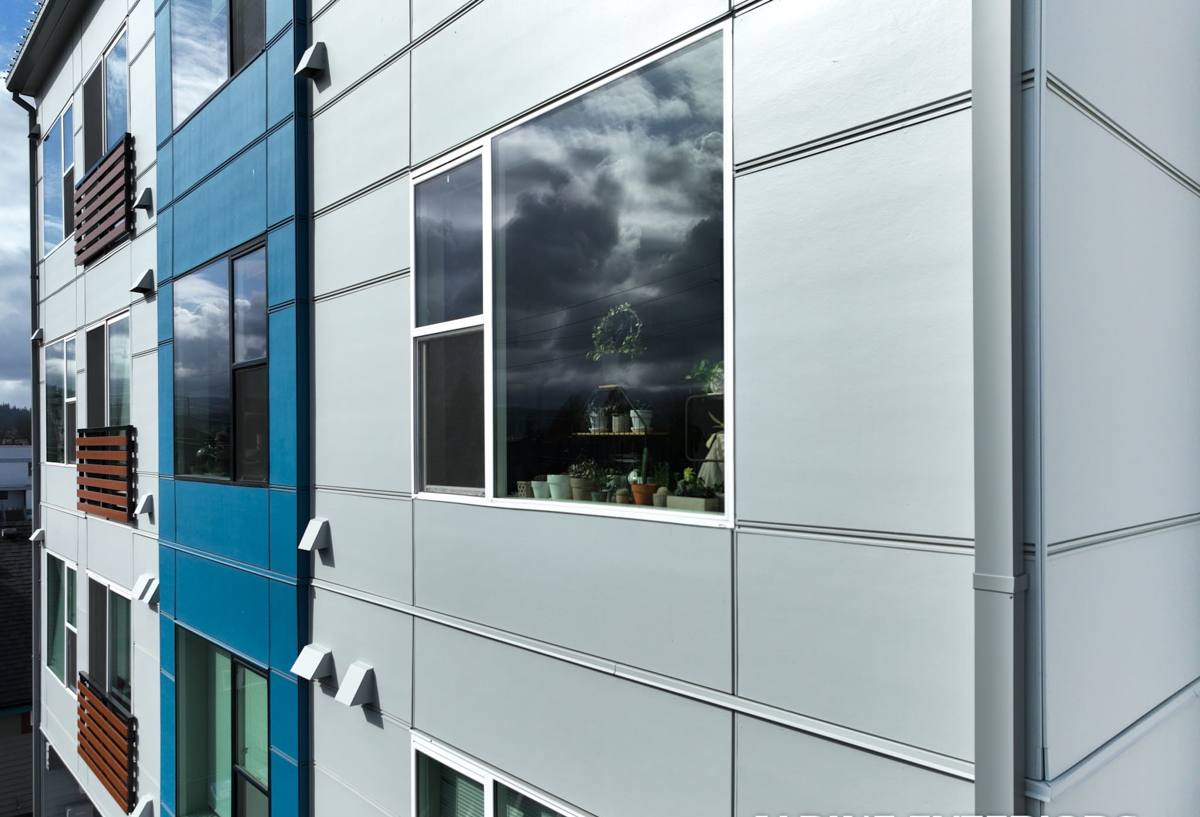
What This Climate Does to a Vertical Siding Profile
Board and batten is more exposed to the elements than standard horizontal lap siding in a few specific ways, and those ways matter more here than they would inland.
Salt Air and Corrosion
Homes near the Whatcom County shoreline sit in a steady drift of salt-laden air. Salt is hygroscopic — it pulls moisture out of the air and holds it against whatever it lands on. Over years, that accelerates corrosion on fasteners, trim flashing, and any metal component in the wall assembly. It also degrades paint film and finish coatings faster than a dry-climate installation would experience, which is a big part of why finish quality and fastener choice matter more here than in most parts of the state.
Wind-Driven, Horizontal Rain
A vertical board and batten profile has more visible seams running up the wall than lap siding does, and every one of those seams is a potential water entry point if it's not detailed correctly. When rain comes in sideways off the water instead of falling straight down, it finds gaps that a standard installation in a calmer climate would never expose. The battens themselves have to actually shed water off the face of the panel joint, not just look like they do.
Moss, Shade, and a Long Wet Season
Whatcom County's wet season runs long, and tree cover combined with north-facing walls keeps siding damp for extended stretches. Moss and algae growth on siding isn't just cosmetic — it holds moisture against the surface and, on the wrong substrate, feeds the kind of slow rot that isn't visible until a board is soft to the touch.
What a Correct Board and Batten Installation Actually Involves
Board and batten looks simple from the curb, but the assembly behind it is doing real structural and moisture-management work. A correct installation includes:
- A weather-resistant barrier (house wrap) installed and lapped correctly behind the panels, not just stapled on as an afterthought
- Rainscreen or furring strategy where called for, so water that does get behind the panel has somewhere to drain and dry rather than sitting against the wall sheathing
- Panel joints and seams flashed and sealed to manufacturer spec, not just caulked over
- Fasteners driven to the correct depth and pattern — overdriven nails crack fiber cement and underdriven ones leave panels loose and rattling in wind
- Battens spaced and fastened so they cover the panel seam fully without trapping water behind them
- Corrosion-resistant fasteners and flashing appropriate for a salt-air environment, not standard-grade hardware that will corrode in a fraction of its expected life
Skip any one of these steps and the siding might look fine at handoff, but the failure shows up later — as staining, soft spots, or paint peeling from the inside out where moisture has been sitting unseen.
Why We Only Install James Hardie for This
We don't install cedar board and batten, engineered wood (LP SmartSide), or vinyl board and batten systems. That's a deliberate standard, not a lack of options, and it's worth explaining honestly rather than just asserting it.
Cedar is a beautiful, traditional choice for this look, and we understand why homeowners want it. But real wood in a wet, salt-air coastal climate needs a disciplined maintenance schedule — recoating, caulk inspection, and prompt repair of any moisture intrusion — to avoid the rot and insect damage that this climate accelerates. Engineered wood products use resin-bonded wood strand cores that perform well when the factory coating stays intact, but any breach at a cut edge or fastener hole gives moisture a path into a substrate that swells and deteriorates once wet. Vinyl board and batten is low-maintenance and inexpensive, but it's a thin plastic profile that can warp in temperature swings, fades over time under UV exposure, and simply doesn't carry the same weight, sound, or resale perception as a fiber cement product.
James Hardie fiber cement is cement, sand, and cellulose fiber — it doesn't rot, it isn't a food source for insects, and it's non-combustible. For board and batten specifically, we use Hardie panel products engineered for vertical applications, factory-finished with ColorPlus technology, which bakes the color into a baked-on finish that resists the fading and chalking that field-applied paint experiences faster in coastal UV and salt exposure. Hardie's HZ5 formulation is engineered for climates with more moisture cycling, which fits Whatcom County's rain pattern better than a general-purpose product would.
Board and Batten Material Comparison
| Material | Moisture/Rot Risk Here | Maintenance Needed | Typical Lifespan | Salt-Air Fit |
|---|---|---|---|---|
| James Hardie fiber cement | Very low — cement-based, doesn't rot | Occasional wash, monitor caulk lines | 30+ years to warranty | Strong |
| Cedar | Moderate to high without upkeep | Regular refinishing, caulk, and repair | 15–25 years with upkeep | Fair, needs diligence |
| Engineered wood (LP SmartSide) | Low if finish stays intact, rises sharply if breached | Monitor cut edges and fasteners | 20–30 years, finish-dependent | Fair |
| Vinyl board and batten | Low rot risk, but warps/cracks with age | Low, but limited repair options | 15–25 years | Weaker in UV/salt fade |
Our Process for a Board and Batten Project in Lummi Nation
- On-site assessment: We look at existing siding, sheathing condition, and any current moisture damage before quoting anything. On coastal properties, this includes checking for hidden rot at grade level and around window and door openings.
- Moisture and substrate check: Any soft or compromised sheathing gets addressed before new siding goes up — covering a moisture problem with new siding just hides it.
- Weather barrier and drainage plane: House wrap and, where appropriate, a rainscreen gap are installed so the wall assembly can dry out even if some moisture gets behind the cladding.
- Panel and batten installation: Hardie panels are installed to manufacturer fastening spec, followed by battens sized and spaced to fully cover seams.
- Trim, flashing, and sealant detailing: Every penetration — windows, doors, vents, utility penetrations — gets flashed and sealed correctly, since these are the most common failure points on any siding job.
- Final walkthrough: We go over the finished job with the homeowner and point out anything they should keep an eye on going forward.
Working on Tribal Land: Logistics Worth Knowing
Homes on Lummi Nation trust land can fall under different permitting and right-of-way processes than a standard county permit, depending on the property. A crew that's worked in the area knows to ask the right questions upfront — whose permitting authority applies, what access or scheduling considerations exist, and how that affects the project timeline — instead of finding out midway through a job. We'd rather sort that out at the estimate stage than surprise a homeowner later.
Maintaining Board and Batten Siding in This Climate
Even a low-maintenance product like Hardie fiber cement benefits from a little seasonal attention, especially this close to the water:
- Rinse siding once or twice a year to clear salt residue and organic buildup before it accelerates moss growth
- Check caulk lines around windows, doors, and trim annually — caulk is the first thing to fail, long before the siding itself
- Trim back vegetation and tree limbs that keep any wall shaded and damp for extended periods
- Watch downspouts and grading near the foundation so water isn't splashing back up onto the lower courses of siding
- Have any impact damage or cracked panels repaired promptly rather than left through another wet season
Why Hire a Crew That Already Works This Area
Board and batten installed to spec in a mild inland climate can get away with shortcuts that simply fail faster here. A crew that regularly works Ferndale, Whatcom County, and the surrounding coastal communities already knows how much rainscreen detailing this climate needs, which fastener grade actually holds up against salt air, and how to sequence a project around this region's wet season instead of fighting it. That local pattern recognition is the difference between siding that looks good at installation and siding that still looks good a decade in.
If you're considering board and batten siding for a home in Lummi Nation, we're happy to take a look and give you a straightforward, no-pressure estimate — just fill out the form below.