 Ferndale Siding
 Board & Batten in the Sumas Area: A Style That Earns Its Keep
Board and batten isn't just a look — it's one of the oldest siding profiles in the Pacific Northwest for a reason. The vertical boards and narrow battens that cover the seams were originally a practical answer to wind-driven weather on barns and farmhouses, and that same logic still applies to homes in and around Sumas today. Whether you're using it on a full elevation or as an accent on gables and entries, the vertical lines read as clean, rural, and honest — a style that fits Whatcom County's mix of farmland, tree cover, and small-town character without looking out of place next to older wood-sided homes.
The catch is that board and batten only looks good long-term if the material and the installation both hold up. A vertical profile has more seams exposed to weather than horizontal lap siding, and in this part of the county — close enough to tidal water and open farmland to catch salt-laden wind, with rainfall that comes sideways more often than people expect — those seams are exactly where problems start if the job is done wrong.
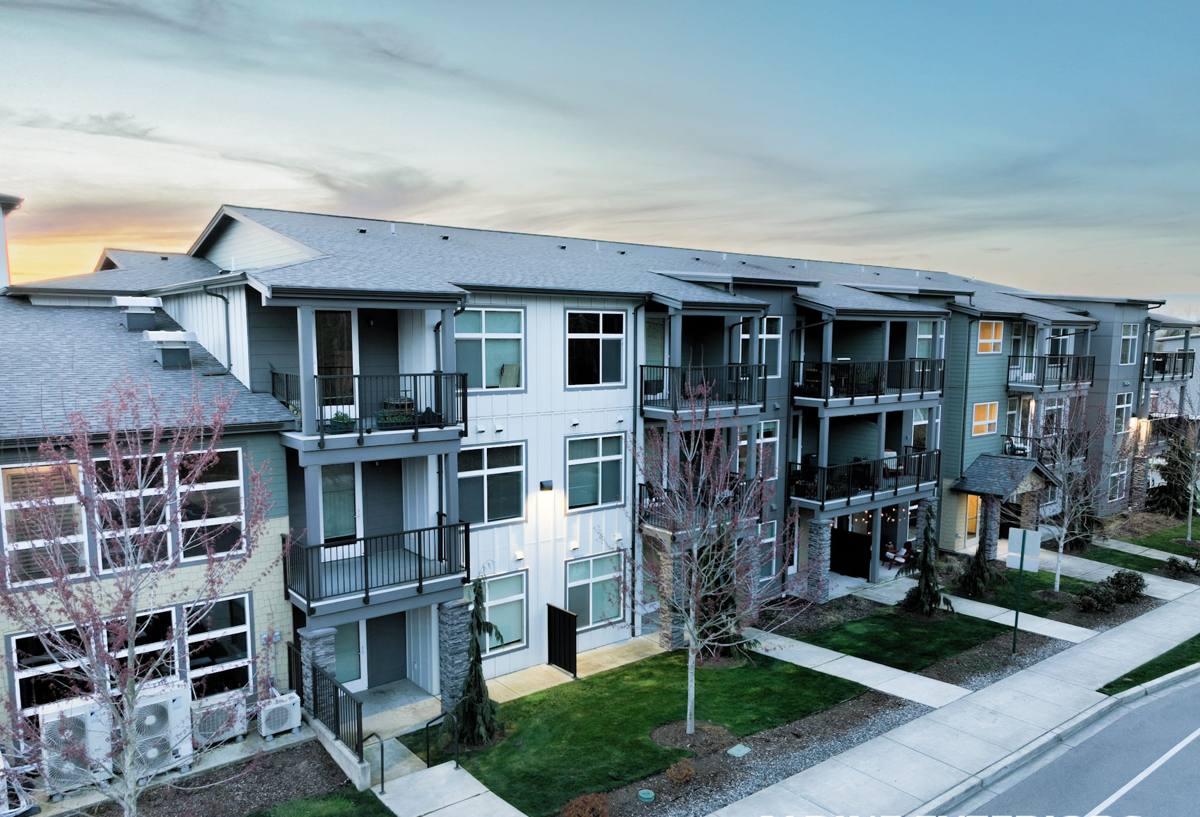
What This Climate Does to Vertical Siding
Salt Air and Corrosion
Homes in the Sumas area sit close enough to Puget Sound's marine air and the region's damp weather systems that airborne salt and moisture are a real factor, even without a beachfront view. Salt-laden air accelerates corrosion on fasteners, flashing, and any metal trim components. Board and batten siding depends on consistent, well-placed fastening along every board and batten strip — if the fasteners corrode or were never rated for exterior exposure, the whole assembly loosens over time.
Driving Rain and Vertical Seams
Storms here don't just fall straight down — wind pushes rain sideways against walls, and vertical siding profiles have more vertical joints for that water to find. A board and batten system that isn't installed with a proper drainage plane behind it will eventually let water track down behind the boards, where it can sit against sheathing far longer than anyone notices from the outside.
The Long Moss Season
Whatcom County's damp, shaded shoulder seasons run long, and moss and algae take advantage of any surface that stays wet. North-facing walls, areas under mature trees, and low-sun exposures near Sumas are especially prone to green and black staining. Some siding materials absorb moisture into the surface, which feeds that growth from the inside out — a maintenance headache that starts small and gets worse every wet season it's ignored.
Why We Only Install Board & Batten in James Hardie Fiber Cement
We get asked why we don't offer board and batten in cedar, primed wood, LP SmartSide, or vinyl vertical panel — all of which are sold as board and batten options. Each has real strengths. Wood has genuine texture and history. LP SmartSide is lighter and easier to install quickly. Vinyl vertical panel is inexpensive and low-maintenance in mild climates. None of them, in our professional experience, hold up the same way in this specific climate over the long run:
- Wood (cedar or primed spruce): Beautiful when new, but it needs repainting or restaining on a real schedule, and any gap in that maintenance lets moisture in around the vertical seams — exactly where this climate's driving rain wants to go.
- LP SmartSide: An engineered wood product, which means its edges and cut ends are vulnerable to swelling if moisture gets past the factory coating — a risk that compounds in a region with a long wet season and heavy moss growth.
- Vinyl vertical panel: Cost-effective, but it can warp or fade under sun and temperature swings, and it doesn't offer the fire resistance or rigidity of fiber cement — a trade-off we're not willing to make on homes we put our name on.
James Hardie fiber cement is non-combustible, dimensionally stable, and factory-finished with ColorPlus technology, which means the color is baked on before the boards ever reach the site — not brushed on in the field where weather and timing affect the result. It's engineered specifically for climates like this one under Hardie's HZ10 product line, and it comes with a strong, transferable manufacturer warranty. That combination is why board and batten, done right, means Hardie on every home we install it on.
What a Correct Board & Batten Installation Actually Involves
Rain Screen and Drainage Plane
Vertical siding needs a way for any moisture that gets behind it to drain and dry out. That means a properly installed water-resistive barrier and, ideally, a rain screen gap that lets air circulate behind the boards. Skipping this step is the single most common shortcut that causes hidden rot behind board and batten siding — and it's invisible from the outside until the damage is already done.
Panel Layout and Batten Spacing
Batten spacing has to be planned around the home's actual dimensions, not just installed on autopilot at a standard interval. Windows, doors, and corners all need clean, deliberate transitions. Rushed layout work shows up as uneven reveals and awkward cuts around openings — cosmetic problems that are hard to fix after the fact.
Fastening and Flashing
Every board needs to be fastened per Hardie's specifications — correct fastener type, spacing, and embedment depth — with flashing integrated at every horizontal transition, window head, and roofline intersection. This is where corrosion-resistant, climate-appropriate fasteners matter most, especially given the salt-air exposure common in this part of the county.
Factory Finish, Field Touch-Up
ColorPlus finishes come with matching caulk and touch-up products designed to move with the material, so seams and cut ends stay sealed and color-matched instead of becoming the first thing that visibly ages on the house.
Our Process for Sumas-Area Homes
Every project starts with a real look at the existing wall assembly, not just a quote based on square footage. For homes in and around Sumas, that typically means:
- An on-site assessment of the current siding, trim, and any visible moisture or moss staining.
- Checking behind the existing siding at vulnerable points — corners, window edges, low walls near grade — for rot or water damage before we ever quote the job.
- A decision, made with you, on full tear-off versus other approaches, based on what we find underneath.
- Installing the drainage plane, battens, and Hardie boards to manufacturer specification, with flashing detailed at every transition.
- A final walk-through covering caulking, touch-up, and what to expect from the finish over the coming years.
Because this crew already works the Ferndale and greater Whatcom County area regularly, we're familiar with the moisture patterns and wind exposure that show up on homes in the Sumas area specifically — not guessing at it from a general playbook.
Cost Factors for Board & Batten Siding
Board and batten pricing depends on more than square footage. The factors below tend to move the number most on real projects:
| Factor | Why It Matters |
|---|---|
| Tear-off vs. new construction | Removing old siding and repairing any hidden damage adds labor before the new siding even goes on. |
| Wall complexity | Homes with many corners, dormers, or window openings require more cuts and layout time per square foot. |
| Batten spacing and pattern | Tighter batten spacing uses more material and labor than a wider, standard reveal. |
| Underlying moisture damage | Rot found behind old siding needs to be repaired before new siding goes up — this is common on older homes in wet climates. |
| Color and finish selection | ColorPlus finishes vary in price by color and sheen; primed-for-paint options have different cost structures. |
| Site access | Rural lots, long driveways, or difficult staging areas around Sumas can affect labor time. |
We give firm, itemized quotes after the on-site assessment — not a ballpark based on a phone call, since so much of the real cost depends on what's actually behind the existing siding.
Living With Board & Batten Siding: A Maintenance Checklist
Correctly installed Hardie board and batten is genuinely low-maintenance compared to wood or engineered wood alternatives, but "low-maintenance" isn't "no-maintenance." A simple annual routine keeps it performing the way it should through this climate's wet season:
- Rinse siding annually, especially shaded or north-facing walls, to keep moss and algae from taking hold.
- Inspect caulking at seams, window trim, and corners for cracking or separation once a year.
- Keep gutters and downspouts clear so water isn't sheeting down walls during heavy rain.
- Trim back vegetation and tree limbs that keep siding shaded and damp longer than necessary.
- Touch up any chips or scrapes with matched ColorPlus touch-up product before they become entry points for moisture.
- Watch low areas near grade and any spot where two rooflines meet — these are the first places moss and water tend to concentrate.
Why a Crew That Already Works Sumas and Ferndale Matters
Board and batten siding fails less because of the material and more because of the installation details that don't show up until years later — drainage planes that were never installed, fasteners that weren't rated for the exposure, flashing that was skipped to save time. A crew that works this specific area regularly has already seen how homes near Sumas and Ferndale weather over time, which corners of a house take the worst of the driving rain, and which details actually matter here versus in a drier climate. That local pattern recognition is worth more than a lower bid from a crew that's never worked Whatcom County's weather before.
If you're considering board and batten siding for a home in the Sumas area, we're glad to walk the property with you, look at what's actually going on behind your current siding, and put together a clear, no-pressure estimate — no obligation, just a straight answer on what your home needs.