 Ferndale Siding
 Siding Installation for Marietta, Right on the Water
Marietta sits close to Bellingham Bay, in the low, damp stretch of Whatcom County where salt-laden air off the water meets some of the wettest weather in western Washington. Homes here don't fail the same way homes twenty miles inland do. Siding on a Marietta house is fighting a longer, wetter, saltier fight than siding almost anywhere else in the Ferndale service area, and it needs to be installed with that fight in mind from day one.
This page is about one job, done right, in one place: full siding installation for homes in and around Marietta. Not a general overview of siding options, not a sales pitch for a product line — a straight explanation of what this stretch of coastline does to exterior walls, what a correct installation looks like in response, and how our crew approaches the work because we're already out here regularly.
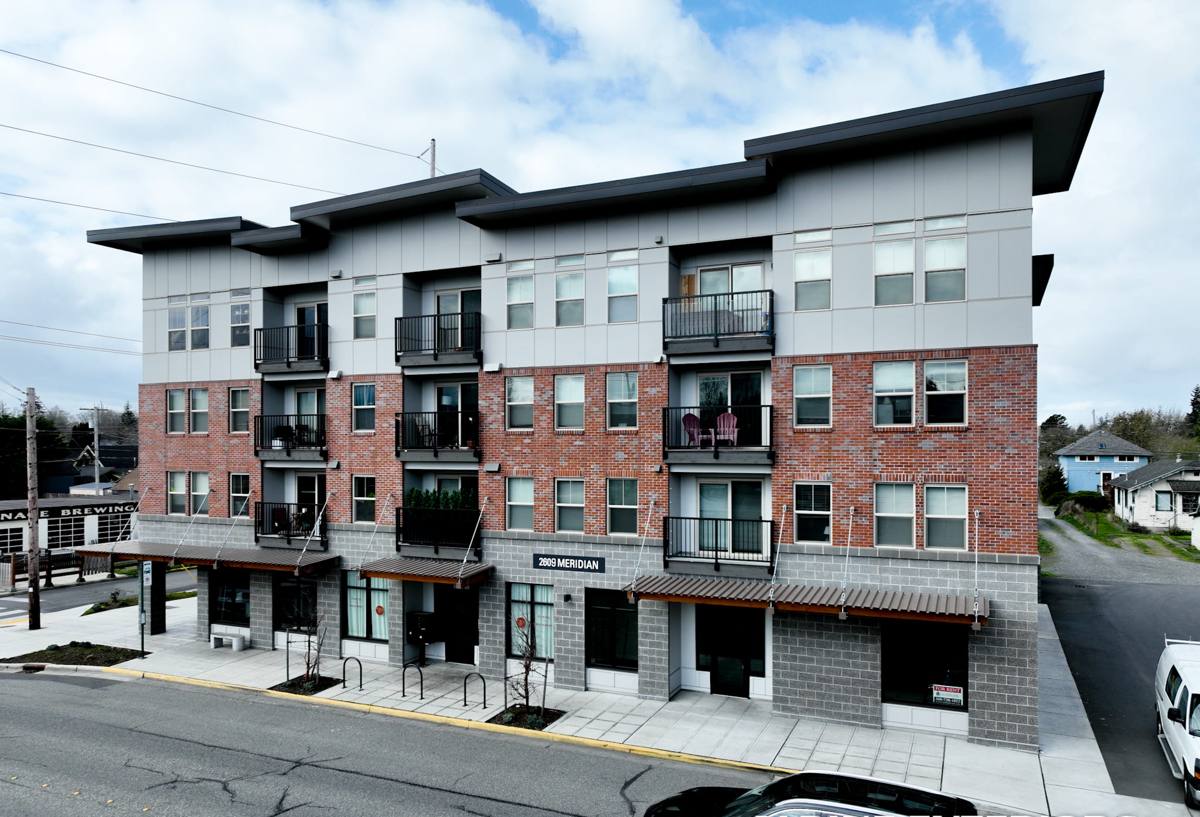
What Salt Air, Driving Rain, and Moss Actually Do to Siding
Salt air
Airborne salt from the bay settles on exterior surfaces and accelerates corrosion of fasteners, flashing, and any metal trim that isn't rated for a marine-influenced environment. Over years, that corrosion works from the outside in — a rusted nail head or a corroded J-channel is a small problem that becomes a moisture entry point.
Driving rain
Wind off the water doesn't just drop rain straight down — it drives it sideways into wall assemblies, which puts real stress on laps, seams, and butt joints. A siding installation that's fine in a calm, dry climate can fail here in a fraction of the time if the laps are too tight, the caulking is wrong, or the water-resistive barrier underneath wasn't detailed correctly.
Moss and sustained damp
Whatcom County's moss season runs long — shaded, north-facing walls and anything near mature trees can stay damp for months at a stretch. Moss and algae hold moisture against the siding surface, and on materials that absorb water or swell, that constant dampness is what starts rot, delamination, or paint failure well ahead of a normal service life.
None of this is unique to Marietta as a name on a map — it's the reality of building close to Bellingham Bay in Whatcom County. But it does mean siding installation here has to be treated differently than the same job forty minutes inland.
What a Correct Siding Installation Actually Involves
"Siding installation" sounds like one task. It's really a sequence of smaller decisions, and getting any one of them wrong undermines the rest — no matter how good the siding material itself is.
What's underneath matters as much as what's on top
- Water-resistive barrier: a correctly lapped, correctly taped weather barrier behind the siding, so any water that gets past the surface has somewhere to drain instead of soaking into sheathing.
- Flashing at every penetration: windows, doors, hose bibs, vents, and any deck or porch attachment point need flashing detailed to shed water outward, not trap it.
- Proper clearances: siding held off the ground, decks, and roof lines by the manufacturer's minimum gap so it isn't sitting in standing water or snow.
- Fastener choice: corrosion-resistant nails or screws, placed at the manufacturer's specified pattern — not "close enough."
Where most siding failures actually start
In our experience, the majority of premature siding problems aren't caused by bad material — they're caused by shortcuts in the details above. A wall can look finished and sharp on installation day and still be set up to fail in five years because the flashing was skipped or the laps were caulked shut instead of left to drain. This is the part of the job that separates a crew that installs siding correctly from one that just gets it up on the wall.
Why We Install Only James Hardie Fiber Cement
We don't offer vinyl, LP SmartSide, or bare cedar as installation options, and that's a deliberate standard, not a limitation of what we know how to install. In a climate like this — salt air, sustained damp, long moss season — the material's real-world moisture behavior matters more than its upfront price or how it looks in a showroom.
Fiber cement doesn't absorb water the way wood-based products can, and it doesn't expand and contract with humidity the way vinyl does, which matters when a wall is cycling between soaked and dry for months at a time. James Hardie's factory-applied ColorPlus finish is baked on rather than field-painted, which means the finish that's rated for UV and moisture exposure is the same finish going on the wall — not something touched up on site in variable weather. It's also non-combustible, which matters given how dry late-summer conditions can get in this region between rain systems.
We standardized on one product line so we can install it the same correct way every time, rather than juggling install specs and warranty terms across several materials.
Comparing Siding Materials for a Marine, High-Moisture Climate
| Material | Moisture behavior | Maintenance | Typical lifespan here |
|---|---|---|---|
| James Hardie fiber cement | Doesn't absorb/swell; engineered moisture-resistant core | Occasional wash; factory finish, no field painting needed | Decades, with correct installation |
| Vinyl siding | Sheds water but panels expand/contract; seams can loosen over time | Low, but prone to warping and fading in sun/salt exposure | Moderate; earlier fading and brittleness near the coast |
| Cedar / primed spruce | Absorbs moisture; needs a sound paint/stain film to stay protected | Regular repainting/staining, especially on damp-facing walls | Shorter without diligent upkeep in this climate |
| LP SmartSide (engineered wood) | Treated wood strand product; performs well when detailed correctly, but is wood-based | Periodic inspection of cut edges and joints for moisture intrusion | Moderate; installation quality matters more than with fiber cement |
Every material on that list can work if it's installed correctly and maintained. The point isn't that the others are bad products — it's that Hardie's moisture behavior gives us the widest margin for error in a climate that doesn't offer much forgiveness, which is why it's the only one we put our name behind.
Our Siding Installation Process
- On-site assessment: we look at the existing siding, sheathing condition, flashing, and any moss or moisture staining before quoting anything — problems hidden under old siding change the scope.
- Tear-off and inspection: once old siding is off, we check the sheathing and framing underneath for rot or water damage and address it before anything new goes on.
- Weather barrier and flashing: a new water-resistive barrier is installed and lapped correctly, with flashing detailed at every window, door, and penetration.
- Hardie installation to spec: siding, trim, and fasteners installed per James Hardie's published installation requirements, including clearances and fastener spacing.
- Final walkthrough: we go over the finished work with the homeowner, including basic care and what to watch for going forward.
Signs a Marietta Home May Need New Siding
- Persistent moss or dark streaking on north- or west-facing walls that returns quickly after cleaning
- Soft or spongy spots when pressed, especially near the bottom courses or around window trim
- Peeling, bubbling, or chalky paint that keeps failing no matter how often it's repainted
- Visible gaps, warping, or separation at siding seams and corners
- Rusty streaks below nail heads or trim fasteners
- A musty smell or visible staining on interior walls that back up to exterior siding
- Siding that's original to a home built before modern flashing and weather-barrier standards were common
What Affects the Cost of a Siding Installation
| Factor | Why it matters |
|---|---|
| Total square footage | Larger wall area means more material and labor, the most direct cost driver |
| Tear-off vs. new construction | Removing and disposing of old siding adds labor and dump costs versus a bare wall |
| Sheathing or framing repair | Rot or water damage found during tear-off has to be fixed before new siding goes on |
| Trim, fascia, and corner detail | More architectural detail means more cutting, fitting, and flashing work |
| Home height and access | Multi-story walls, steep sites, or tight lot lines slow the work and add equipment needs |
| Color and finish selection | Some ColorPlus finishes and profiles carry different material costs than standard options |
We give homeowners a real number after seeing the home, not a phone estimate — moisture damage under old siding is the single biggest thing that changes a quote once work starts, and we'd rather find it and price it up front.
Why a Crew That Already Works Marietta Makes a Difference
A siding crew that regularly works this part of Whatcom County has already seen how these homes age — where moss builds up first, which wall orientations take the worst of the weather off the bay, and what corners tend to get cut on older installations that need correcting rather than repeating. That's not something a crew coming from outside the area picks up on the first visit. It shows up in small decisions during the job: how flashing gets detailed on a water-facing wall, where extra fastener corrosion resistance is worth it, which sections need a closer look at the sheathing before new siding goes over it.
Being local also means we're not disappearing after the invoice is paid. If a question comes up two years later about a seam or a trim detail, we're still working in Ferndale and the surrounding area, not somewhere across the state.
Get a Free, No-Pressure Estimate
If your Marietta home's siding is showing moss, staining, soft spots, or just age, we're glad to take a look and give you a straight assessment — no pressure, no obligation. Use the form below to request a free estimate for James Hardie siding installation.