 Ferndale Siding
 Energy-Efficient Windows on Semiahmoo: A Different Kind of Exposure
Semiahmoo sits out on a narrow spit near Blaine, with water on more than one side and very little standing between the homes there and whatever weather is moving through. It's one of the more exposed residential settings in this corner of Washington, and that exposure shows up directly in heating bills. An older or poorly sealed window doesn't just let in a draft on a spit property — it lets in wind-driven rain, salt-laden air, and a level of pressure difference that a calmer, more sheltered lot never sees. Homes here lose conditioned air through window gaps and worn seals faster than homes set back from the water, which means the payoff from correctly installed, genuinely energy-efficient windows is bigger here too.
We install and replace windows for homes in and around Semiahmoo, and we treat energy performance as something that's decided as much by the installation as by the window itself. A high-efficiency unit set into a poorly flashed, poorly sealed opening will underperform its own rating within a couple of wet seasons. Getting the real benefit out of an energy-efficient window on the spit means getting the product, the glass package, and the installation detail all pointed at the same problem.
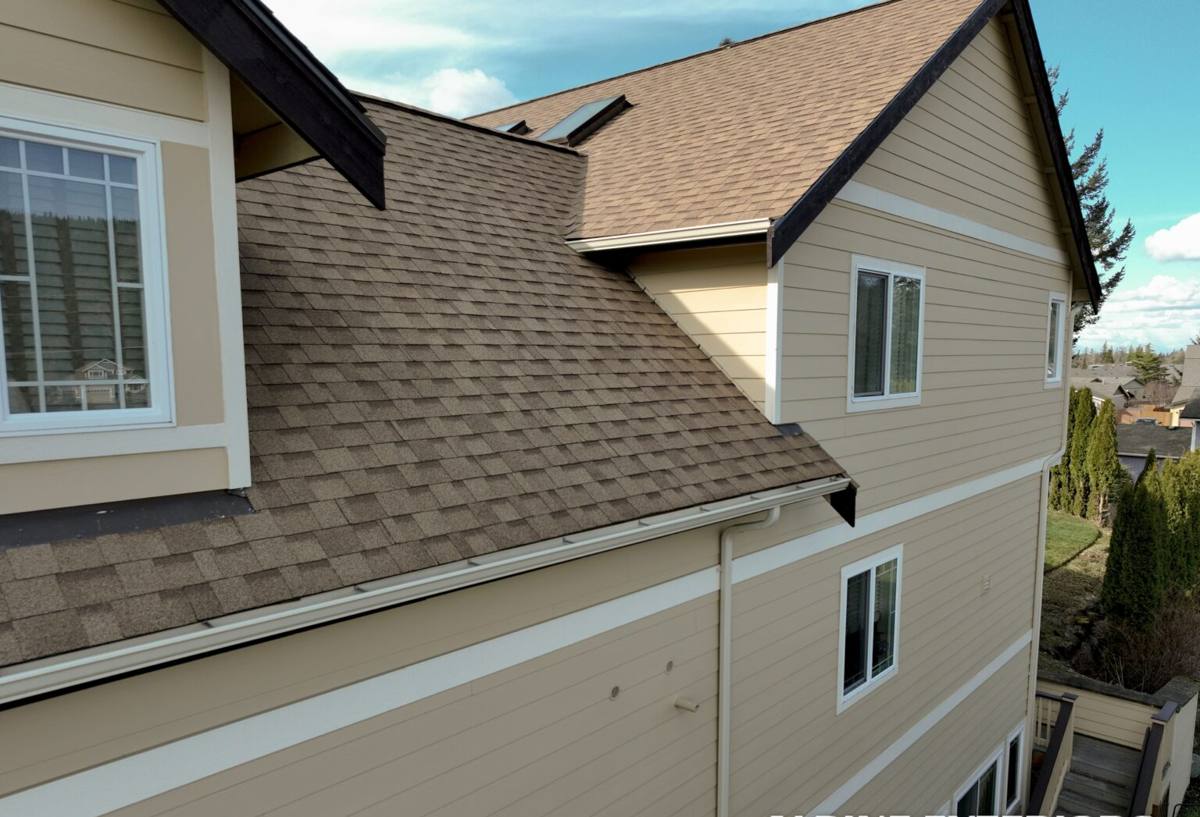
What This Climate Does to Window Performance
Salt Air and Hardware Degradation
Because Semiahmoo has water on more than one side, homes here take on salt-laden air from multiple directions instead of one prevailing exposure. Salt accelerates corrosion in window hardware, weatherstripping fasteners, and lower-grade metal components. Once hardware starts to pit or stiffen, locks stop drawing the sash fully tight against the seal, and a window that used to close snugly starts leaking conditioned air even though the glass and frame look fine.
Wind-Driven Rain and Air Infiltration
With almost no windbreak, rain on the spit gets pushed sideways into window openings with more force than a typical inland Whatcom County lot ever experiences. That same wind pressure that drives water sideways also drives air infiltration — the exact thing an energy-efficient window is supposed to stop. A window with an excellent factory air-infiltration rating can still leak air around its perimeter if the installation didn't account for how much sustained wind load this particular property actually sees.
A Long Moss and Condensation Season
Mild temperatures and near-constant humidity give moss and mildew most of the year to work on shaded surfaces across this part of the county, and they also create ideal conditions for interior condensation on underperforming glass. A window with a weak low-E coating or a failing seal will fog or sweat heavily during the wet months here, well before it would in a drier inland climate, and that moisture buildup around the frame accelerates rot on any wood components nearby.
What "Energy-Efficient" Actually Means for a Window
The term gets used loosely, but a genuinely efficient window comes down to a handful of measurable properties, all listed on the NFRC label that should come with any legitimate replacement window:
- U-factor — how well the window resists heat flow; lower is better for our climate, since it measures how much heat escapes through the unit
- Solar heat gain coefficient (SHGC) — how much solar heat passes through the glass; the right number depends on which direction the window faces
- Air leakage rating — how much air passes through the assembly under pressure; lower matters more on an exposed spit property than almost anywhere else in the county
- Visible transmittance — how much natural light passes through, which matters for daylighting without oversizing the heating and cooling load
Low-E coatings, warm-edge spacers between panes, and inert gas fills like argon all work together to hit those numbers. None of them matter much if the window isn't sealed correctly into the wall once it's installed.
Comparing Frame Materials for This Climate
| Frame Material | Energy Performance | Behavior in Salt Air & Wind | Maintenance |
|---|---|---|---|
| Vinyl | Good; multi-chambered frames insulate well | Won't corrode; seams and welds are the weak point in high-wind installs | Low |
| Fiberglass | Very good; dimensionally stable, holds tight seals over time | Excellent resistance to salt-air corrosion and wind flex | Low |
| Wood, clad exterior | Good with quality glass package | Exterior cladding protects the wood, but any breach exposes it to rot | Moderate |
| Aluminum | Weaker unless thermally broken; conducts cold readily | Prone to corrosion in salt air unless well-finished and thermally isolated | Moderate to high |
Fiberglass and vinyl are generally the strongest fit for an exposed waterfront property like this. Clad wood can still be the right call where the interior look matters, as long as the cladding and flashing are done correctly. We'll walk through the honest trade-offs for your specific exposure rather than defaulting to whichever product is easiest to sell.
Full-Frame Replacement vs. Insert Replacement
One of the earliest decisions on a window project is whether to do a full-frame replacement, which removes the old unit down to the rough opening and rebuilds the flashing and air-sealing from scratch, or an insert replacement, which sets a new window into the existing frame. Insert replacement is faster and less disruptive to surrounding siding and trim, and it can work well when the existing frame is sound, square, and was flashed correctly the first time.
On a Semiahmoo property, though, insert replacement has a real limitation for energy performance: it leaves whatever air-sealing problems already exist in the old frame and rough opening in place, just hidden behind a new sash. Given how much wind load this location sees, we lean toward full-frame replacement more often here than we would on a sheltered inland lot, specifically because it's the only way to correct air infiltration at its actual source rather than papering over it with a new window.
Installation Details That Determine Real-World Efficiency
A window's NFRC rating is measured in a lab, not on a windy spit lot. What that rating actually delivers in the real world depends entirely on installation. On every project, we treat the following as standard, not optional upgrades:
- A properly pitched sill pan that sheds wind-driven water outward instead of letting it pool and eventually find its way inside
- Head, jamb, and sill flashing sequenced correctly and tied into the surrounding wall assembly, not relied on caulk alone to hold back sideways-driven rain
- Continuous air sealing between the frame and rough opening, using low-expansion foam or backer rod and sealant sized to the actual gap, not just a bead of caulk around the trim
- Weatherstripping and hardware rated for corrosive marine exposure so the seal stays tight instead of degrading and opening a leak path within a few years
- Interior air sealing that closes off drafts without trapping moisture against the framing, which matters in a climate this humid
- Exterior trim and cladding detailed so water sheds away from the new seams instead of pooling against them
Skip any of these and a window that's rated to perform for decades can start losing conditioned air and admitting moisture within a couple of wet seasons — not because the product failed, but because the installation didn't hold up its end.
Choosing the Right Glass Package for Sun and Wind Exposure
Semiahmoo homes don't all face the same direction, and the right glass package changes with orientation. A window facing open water and prevailing wind needs to prioritize air infiltration resistance and wind-load rating above almost everything else. A south- or west-facing window that gets direct sun for a good part of the day benefits from a lower SHGC to cut unwanted heat gain in summer, while a shaded, north-facing window can often use a different glass package tuned more toward retaining interior heat through the wet months. We look at each elevation separately rather than speccing one glass package for the whole house, since a one-size answer tends to leave at least one wall underperforming.
What Drives Cost on a Semiahmoo Window Project
| Factor | Why It Matters Here |
|---|---|
| Full-frame vs. insert | Full-frame costs more but addresses air sealing at the source on an exposed property |
| Frame material | Fiberglass and quality vinyl cost more upfront but hold their seal longer against salt air and wind |
| Glass package and SHGC tuning | Orientation-specific glass adds cost per opening but pays back faster on sun- or wind-exposed walls |
| Number and size of openings | Larger units and multi-window projects have different per-unit economics than a single replacement |
| Existing wall condition | Rot or old flashing failures found during removal add repair work before the new window goes in |
| Site access on the spit | Wind conditions and limited staging space on some Semiahmoo lots can add labor time |
We won't quote a number without seeing the actual openings and the condition behind the existing trim, but these are the factors that consistently move price from job to job.
Signs Your Semiahmoo Windows Are Costing You Money
- Noticeable drafts near closed windows, especially on wind-exposed elevations
- Fogging or condensation between panes, which usually means a failed seal on a double- or triple-pane unit
- Cold glass to the touch even when the heat is running, a sign of a weak or missing low-E coating
- Rising heating bills without a clear explanation elsewhere in the house
- Original single-pane or early dual-pane aluminum-frame windows, common in older homes in this area and well past today's efficiency standards
- Visible daylight, cracked caulk, or gaps around the frame from the interior side
Any one of these is worth a look. On an exposed property like this, they tend to compound faster than they would on a sheltered inland lot.
Why a Local Crew Matters on the Spit
A crew that regularly works Semiahmoo and the surrounding Whatcom County coastline already knows how salt air, open wind, and sustained moisture behave differently here than they do even a short distance inland toward Ferndale. That experience shows up in specific decisions: how much wind-load margin to build into an air-seal detail, which fastener and hardware grade actually holds up out here, and when a full-frame replacement is worth the extra cost versus a simpler insert job. Those choices are exactly what determines whether an energy-efficient window keeps its rated performance for twenty years or starts leaking air and water within a handful of them.
A Practical Checklist Before Hiring for Window Work on Semiahmoo
- Ask to see the NFRC label and understand the U-factor, SHGC, and air-leakage numbers for the specific product being quoted
- Confirm current Washington contractor licensing and active liability insurance
- Ask whether they recommend full-frame or insert replacement for your openings, and why
- Ask how they detail flashing and air sealing for a wind-exposed, waterfront property specifically
- Get a written scope of work, including which trim and cladding repairs are included, before signing anything
Our Process
We start by walking the exterior and inspecting the existing windows, framing, and any visible flashing or moisture issues, paying particular attention to how each elevation has held up against Semiahmoo's wind and salt exposure over time. From there we recommend a glass package and frame material suited to each wall's orientation, not a single blanket spec for the whole house, and we put together a clear, written scope before any work begins. Air sealing, flashing, and corrosion-resistant hardware are treated as standard on every job here, not as optional add-ons.
If you're weighing options for energy-efficient windows on a Semiahmoo property, we're glad to walk the exterior with you and give an honest read on what your home actually needs. Reach out below for a free, no-pressure estimate.