 Ferndale Siding
 Window Installation Built for a Coastal Whatcom County Neighborhood
Semiahmoo sits close enough to the water that homes there take a different kind of weathering than houses further inland in Ferndale. Salt-laden air, near-constant onshore moisture, and driving rain off the Strait push harder on window seals, flashing, and frame materials than a typical Whatcom County installation. A window that performs fine in a sheltered inland lot can fail early in this environment if it isn't installed with that exposure in mind. This page covers what window installation actually needs to look like for a Semiahmoo home, not a generic "we install windows" pitch.
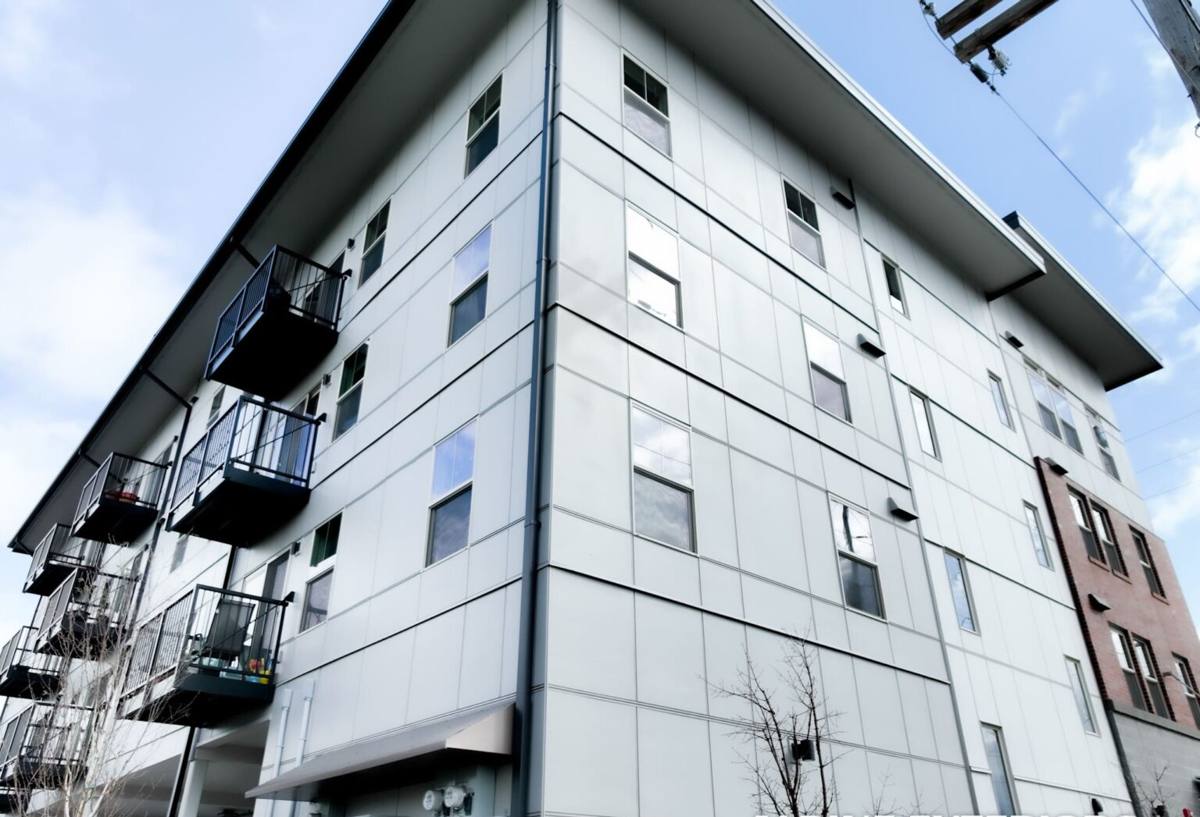
What Salt Air, Rain, and Moss Season Do to Windows Over Time
Three things wear on windows here more than in most parts of the county:
- Salt air accelerates corrosion on exposed metal hardware, screws, and low-grade fasteners, and it breaks down cheap sealants faster than inland exposure does.
- Driving rain, especially with wind behind it, pushes water sideways into gaps that would stay dry in a calmer climate. This is where flashing and water-management details matter more than the window unit itself.
- Long moss and mildew season keeps sills, frames, and any horizontal trim damp for extended stretches. Wood components that aren't properly sealed or that trap moisture behind cladding start showing rot years before they would in a drier region.
None of this means Semiahmoo homes need exotic materials. It means the installation details — flashing sequence, sealant choice, fastener grade, and drainage path — have to be done correctly, because this climate exposes shortcuts faster than most.
Signs a Semiahmoo Home Needs New Windows
Homeowners usually notice one of these before they call:
- Fogging or a permanent haze between the panes — the seal on the insulated glass unit has failed and it can't be repaired, only replaced.
- Soft or spongy wood at the sill or lower frame corners, often with visible moss or dark staining nearby.
- Drafts or a cold feeling near the window even with it fully closed and locked.
- Visible daylight or gaps around the frame from outside.
- Paint or finish that's failing specifically on the window trim while the rest of the siding looks fine — a sign water is getting behind that section.
- Windows that are difficult to open, close, or lock, which is often a sign the frame has shifted or swollen.
Any one of these on its own might just need minor repair. Several together, especially rot at the sill, usually means it's time to replace rather than patch.
What a Correct Window Installation Actually Involves
It's Not Just Swapping the Window
The window unit itself is only part of the job. The water-management details around it determine whether the installation lasts. A correct job includes:
- Removing the old unit and inspecting the rough opening for hidden rot or moisture damage before anything new goes in.
- Repairing or rebuilding any compromised framing — installing over damaged wood just seals the problem behind the new window.
- Installing a proper drainage plane and sill pan so any water that does get past the window has somewhere to go besides into the wall.
- Flashing the head, jambs, and sill in the correct shingle-lap sequence so water sheds outward and down, never trapped behind the siding.
- Using sealants and fasteners rated for exterior, coastal-exposure use rather than standard interior-grade materials.
- Insulating the gap between the window frame and rough opening properly, without over-packing it in a way that bows the frame.
- Setting the window level, plumb, and square, then confirming it operates smoothly before finishing trim goes back on.
Why the Flashing Detail Matters Most Here
Of everything on that list, flashing is the piece that fails most often on poor installations, and it's the one you can't see once trim is reinstalled. In a driving-rain, salt-air environment like Semiahmoo, a flashing mistake doesn't show up as a leak next week — it shows up as rotted framing two or three years later, usually discovered only when the drywall or siding is opened up for something else. We treat flashing sequence as the part of the job that can't be rushed, because it's the part that determines whether the rest of the installation was worth doing.
Choosing Window Materials for a Marine-Influenced Climate
Material choice matters, but installation quality matters more — a good window installed poorly will fail before a modest window installed correctly. That said, here's how the common frame materials compare for a coastal Whatcom County setting:
| Material | Salt Air / Moisture Behavior | Maintenance | Typical Trade-Offs |
|---|---|---|---|
| Vinyl | Won't corrode or rot; handles salt air well | Low — occasional cleaning | Frame can flex on very large units; color/finish options are more limited |
| Fiberglass | Very stable in moisture and temperature swings; strong resistance to corrosion | Low | Higher upfront cost than vinyl |
| Aluminum | Prone to corrosion and pitting in salt air unless it's a marine-grade finish, and conducts cold | Moderate to high in this climate | We're selective about where we recommend it here specifically because of coastal exposure |
| Wood / Wood-clad | Attractive but vulnerable if the cladding or finish is ever breached; moisture gets trapped behind cladding easily | Higher — finish and joints need monitoring | Best reserved for homes with generous roof overhangs and less direct weather exposure |
For most Semiahmoo homes with real exposure to wind-driven rain and salt air, vinyl and fiberglass hold up the most consistently with the least ongoing maintenance. We'll still install wood or aluminum-clad units when that's the right call for a specific home's design or an owner's preference — we just walk through the maintenance reality honestly first, rather than letting a homeowner find out the hard way.
Our Process, Start to Finish
- On-site assessment — we look at existing windows, sill and framing condition, and how exposed the home actually is to prevailing wind and rain direction.
- Honest scope and estimate — including whether any hidden rot repair is likely before we ever open the wall.
- Material selection — matched to the home's exposure, budget, and how it looks with the existing siding and trim.
- Removal and inspection — old units come out, framing gets checked before anything new goes in.
- Correct installation — sill pan, flashing sequence, sealants, and fasteners suited to a marine climate.
- Final check — every window operates, locks, and seals properly before we call the job done.
What Window Installation Typically Costs
Every home is different, but these are the main factors that move the price up or down:
| Factor | How It Affects Cost |
|---|---|
| Number of windows | Per-window cost usually drops slightly on larger jobs due to shared setup and labor |
| Frame material | Vinyl is typically the most affordable; fiberglass and clad-wood run higher |
| Condition of the rough opening | Hidden rot or framing damage adds repair time and cost that's hard to quote until the old window is out |
| Window size and configuration | Larger units, custom shapes, or multi-panel setups cost more than standard single/double-hung sizes |
| Access and site conditions | Second-story or hard-to-reach windows take longer and may need extra equipment |
We give a firm, itemized estimate after seeing the home in person — not a phone quote — because so much of the real cost depends on what's found once the old window comes out.
Why It Matters That We Already Work in Semiahmoo
A crew that mostly installs windows in drier, more sheltered parts of Whatcom County doesn't always default to coastal-grade flashing and sealant practices unless they're reminded to. A crew that regularly works Semiahmoo and the surrounding waterfront-adjacent areas of Ferndale builds those details into every job by default, because we've seen what happens when they're skipped — rotted sills, failed seals, and callbacks two or three years down the line. Familiarity with how a specific area weathers isn't a marketing line here; it changes what materials we reach for and how carefully we detail the water management around every opening.
Questions to Ask Before You Hire Anyone for This Job
- Will you inspect the rough opening for rot before installing, and what happens if you find some?
- What flashing sequence do you use, and is it appropriate for wind-driven rain exposure?
- What fastener and sealant grades are you using, and are they rated for coastal or marine exposure?
- Do you provide a written, itemized estimate, and does it separate window cost from any framing repair?
- What's the manufacturer's warranty on the window unit, and what's your own warranty on the installation labor?
- Can you walk me through material trade-offs for my home's specific exposure rather than just recommending your default product?
If a contractor can't answer these clearly and specifically, that's worth noticing before you sign anything.
Get a Free, No-Pressure Estimate
If you're dealing with drafty, foggy, or rotting windows in Semiahmoo, or you just want an honest read on whether repair or replacement makes sense for your home, we're happy to take a look. Fill out the form below for a free estimate — no pressure, no obligation, just a straight answer about what your home actually needs.