 Ferndale Siding
 Windows Built for Cordata's Weather, Not Just the Opening
Cordata sits close enough to the water and the marine weather patterns that move through Whatcom County that windows here take a different kind of beating than windows fifty miles inland. Salt-laden air corrodes hardware and pits metal components faster than most manufacturers' warranty language accounts for. Driving rain — the sideways kind that comes with our winter storms — finds every gap in flashing and sealant that a calm-weather install would get away with. And the long stretch of gray, damp months each year means moss, algae, and mildew get a running start on any surface that stays wet, including window sills, tracks, and trim.
"Custom windows" for a home in this area isn't a marketing phrase. It means matching the actual opening, structure, and exposure of your house rather than forcing a stock size into place and calling it done. That distinction matters more here than in drier climates, because a poorly fitted window doesn't just look wrong — it becomes the weak point where water gets behind your siding.
What "Custom" Actually Means for a Cordata Home
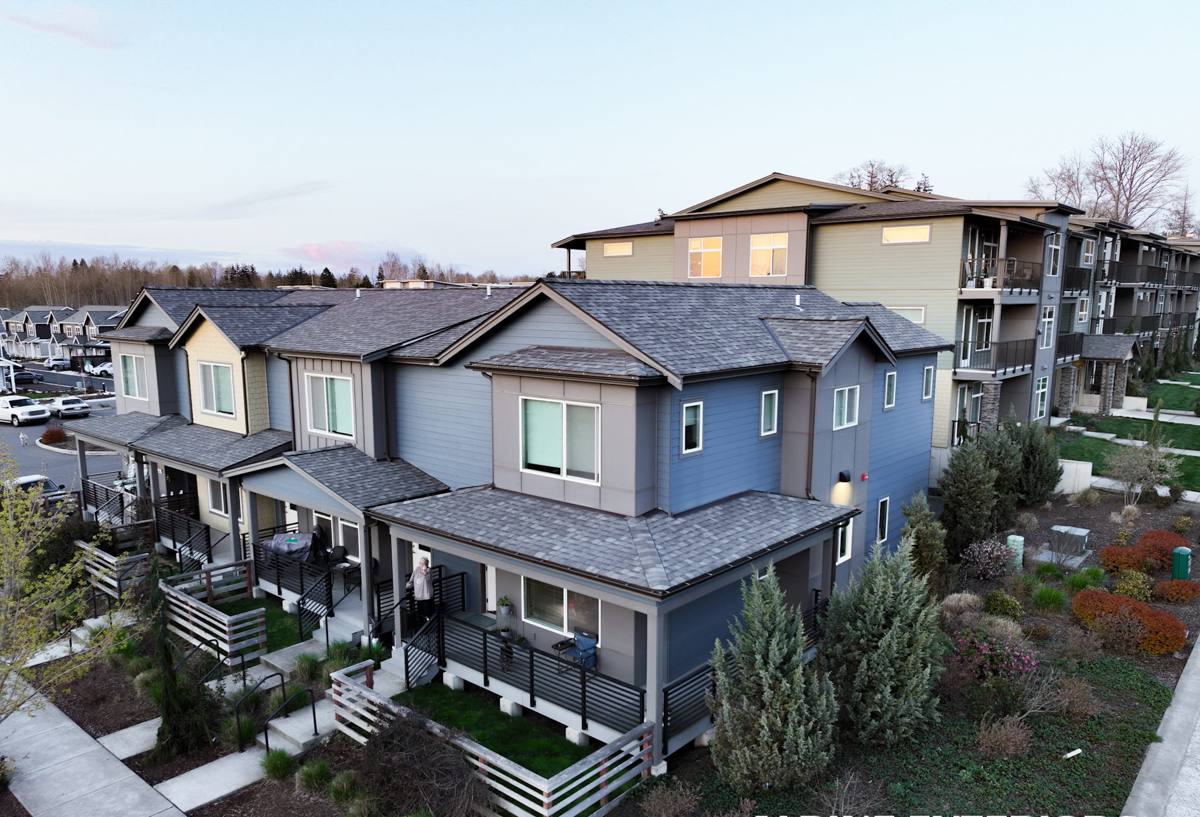
Cordata's housing stock is a mix — newer subdivision homes built from the 1990s through the 2000s alongside older, more rural-style properties scattered through this part of Whatcom County. That mix means no two jobs look the same.
Older and Irregular Homes
Older construction often has settled openings that are no longer perfectly square, non-standard rough openings from additions or remodels, or trim details that a modern stock window simply won't match without extra carpentry. Custom sizing and shop-built trim solve this without forcing you into an off-the-shelf compromise.
Newer Subdivision Homes
Newer homes tend to have standard openings but often came with builder-grade windows chosen to hit a price point during construction, not to hold up long-term against this region's rain and salt exposure. Replacing those with a properly specified unit is usually a straightforward upgrade in performance without needing structural changes.
Specialty Shapes and Sightlines
Bay windows, arched openings, and larger picture windows that frame a view all require custom order specs rather than stock sizing. Getting the measurements and structural support right on these is where a lot of installation problems start if it's rushed.
Signs Your Current Windows Are Losing the Battle
Window failure in this climate is usually gradual, then sudden. Here's what we look for during an assessment, and what you can check yourself before calling anyone:
- Fogging or a permanent haze between the panes of a double-pane window (the seal has failed and the gas fill is gone)
- Visible gaps, cracked caulking, or daylight around the frame from outside
- Soft or discolored wood at the sill, jamb, or trim — a sign moisture has been sitting there
- Windows that are hard to open, close, or lock, especially after damp weather
- Condensation forming on the inside of the glass regularly, even with normal ventilation
- A noticeable draft near the frame on windy days
- Moss, black streaking, or algae building up on the sill or lower frame that keeps coming back
- Rising energy bills without any other clear explanation
Any one of these on its own might just need a repair. Several together, especially on a window that's original to an older home, usually means it's time to talk about replacement.
Choosing the Right Frame Material
Material choice matters more here than in a dry climate because moisture exposure and salt air both accelerate wear on the wrong product. Here's how the common options stack up for a Cordata home:
| Material | Moisture & Salt Air Resistance | Maintenance | Typical Lifespan |
|---|---|---|---|
| Vinyl | Good — won't rot or corrode, seams are the main watch point | Low — occasional cleaning | 20–30 years |
| Fiberglass | Excellent — stable in temperature swings, resists warping | Low | 30–40+ years |
| Wood-clad (exterior clad, wood interior) | Good on the clad exterior; interior wood needs protection from any leaks | Moderate — clad exterior is low-upkeep, but any breach needs prompt attention | 25–35 years with proper install |
| Bare wood | Poor in this climate without diligent upkeep | High — regular painting/sealing required | Varies widely with maintenance |
We steer most Cordata homeowners toward vinyl or fiberglass for standard replacements because they hold up against our rain and salt exposure with minimal upkeep. Wood-clad is a reasonable choice when the look matters and the budget allows, as long as flashing and sealant details are done right — that's true of any material, but it matters most where wood is present.
Getting the Installation Details Right
The window unit itself is only part of the job. Most failures we get called out to fix trace back to installation shortcuts, not a bad product.
Flashing and the Drainage Plane
Every window needs to be integrated into your home's water management system — the flashing tape, sill pan, and house wrap that direct water away from the framing rather than trapping it. Skipping or rushing this step is the single most common cause of hidden rot we find behind siding in this area.
Sealant Compatibility
Not every caulk or sealant is compatible with every siding and trim material, and the wrong product can fail within a season in our wet climate. We match sealants to the surfaces they're bonding, not just grab whatever's on the truck.
Full-Frame vs. Insert Replacement
An insert (or "pocket") replacement fits a new window into the existing frame — faster and less invasive, but it only makes sense if that existing frame is still sound. A full-frame replacement removes everything down to the rough opening, which costs more and takes longer but is the right call whenever there's rot, water damage, or a frame that's out of square. We'll tell you honestly which one your windows need rather than defaulting to the cheaper option.
Performance Ratings
U-factor (heat loss) and air infiltration ratings matter more here than solar heat gain — Whatcom County doesn't get the intense summer sun some regions do, so keeping heat in and drafts out is usually the bigger win for comfort and energy costs.
Our Process, Start to Finish
- On-site assessment — we look at your current windows, the surrounding trim and siding, and any signs of water intrusion before recommending anything.
- Measuring and product selection — exact measurements for every opening, since even openings that look identical often aren't once you check them.
- Ordering — custom units are built to spec, so lead times vary; we give you a realistic timeline up front, not an optimistic one.
- Careful removal — old units come out without unnecessary damage to surrounding siding and trim.
- Installation with proper flashing and sealing — this is where most of the long-term performance is decided.
- Trim and siding integration — matching or restoring the trim and siding around the new window so it looks intentional, not patched.
- Final inspection and walkthrough — checking operation, seals, and cleanup before we consider the job done.
What Affects the Cost
We won't quote a number without seeing the job, but these are the factors that move the price up or down on most custom window projects in this area:
| Factor | Why It Matters |
|---|---|
| Frame material | Fiberglass typically costs more upfront than vinyl but needs less long-term upkeep |
| Full-frame vs. insert | Full-frame replacement costs more due to added labor and trim work, but is necessary when there's frame damage |
| Size and shape | Standard rectangular openings are simpler than bays, arches, or oversized picture windows |
| Number of windows | Doing several at once usually reduces the per-window labor cost |
| Condition of existing structure | Hidden rot found during removal can add scope once we see behind the old trim |
| Trim and siding matching | Restoring or matching surrounding trim adds labor beyond the window unit itself |
Why a Crew That Already Works Cordata Matters
A contractor who works this specific area regularly knows which failure patterns show up on which types of homes, which local building department requirements apply to window replacements, and how to sequence a job around our wetter months so materials and openings aren't sitting exposed longer than necessary. That familiarity shows up in fewer surprises mid-project and a finished install that's sealed correctly the first time — which matters most in a climate that doesn't give a bad seal much time to fail.
It also means we're not guessing about how Whatcom County's combination of salt air, wind-driven rain, and a long moss season will treat a given product over time. We've seen what holds up around here and what doesn't, and we'd rather steer you toward the option that lasts than the one that's easiest to sell.
If your windows in Cordata are showing any of the signs above, or you're planning ahead for a remodel, we're happy to take a look and give you a straight, no-pressure estimate — no obligation, just an honest read on what your home actually needs. The form below gets you started.