 Ferndale Siding
 Roofing in Bellingham Takes More Than a Nail Gun
Bellingham sits close enough to the water that salt air is a real factor in how a roof ages, and far enough into Whatcom County's tree cover that moss and shade are a year-round fight. Add the region's long stretch of driving rain from fall through spring, and you've got a climate that's genuinely harder on a roof than most of the country deals with. A roof that would last two decades in a dry inland climate can start showing granule loss, moss colonization, and flashing corrosion well ahead of schedule here if it wasn't built with this weather in mind.
We're based in Ferndale and work Bellingham regularly, which means we're not guessing at what holds up. We know which details get skipped on a rushed job and where those shortcuts show up first — usually at valleys, chimney flashing, and anywhere moss has been left to sit against shingles for a few seasons too long.
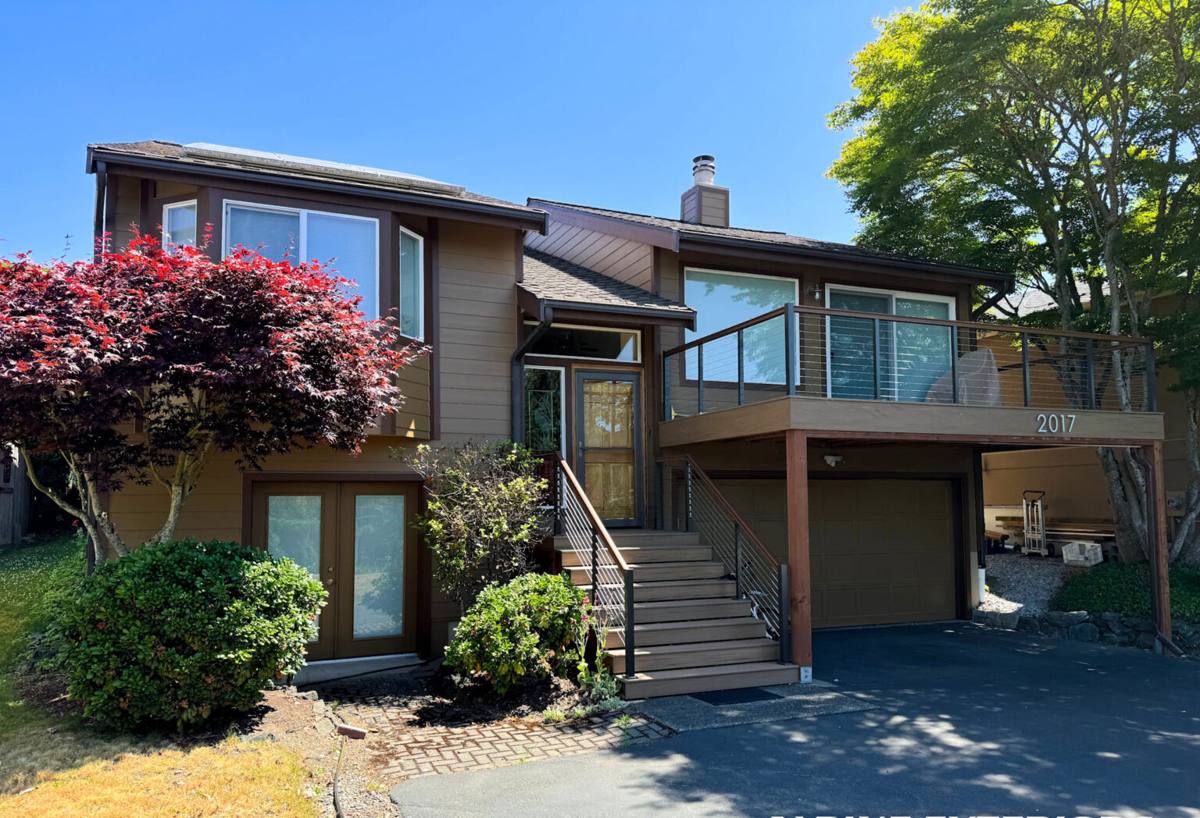
What This Climate Does to a Roof
Salt Air and Metal Fatigue
Proximity to Bellingham Bay and the Salish Sea means airborne salt reaches roofs further inland than most homeowners expect. Standard fasteners, flashing, and metal roofing components can corrode faster in this environment if they aren't rated for coastal exposure. This isn't dramatic — it's a slow weakening that shows up as rust streaking, loosened fasteners, and eventually leaks around flashing points.
Driving Rain and Wind-Driven Water
Rain here doesn't just fall straight down — winter storms push it sideways into laps, valleys, and any gap in the underlayment. A roof system that relies only on shingles to shed water, without proper underlayment and flashing behind it, will eventually let water find its way in during a hard blow.
Moss and Shade
Bellingham's mix of mature trees and marine moisture is close to ideal growing conditions for moss and algae. Moss holds moisture against the roof surface, works its way under shingle edges, and lifts them over time — which is a mechanical problem, not just a cosmetic one. North-facing slopes and roofs under tree canopy see this first and worst.
Signs Your Bellingham Roof Needs Replacing, Not Just Patching
Not every roof problem calls for a full replacement, but in this climate, certain signs mean patch repairs are just delaying a bigger bill. Watch for:
- Granule loss heavy enough that you're finding grit in gutters and downspouts
- Shingles that are cupping, curling, or cracking, especially on south- and west-facing slopes
- Moss or algae established across large sections rather than just isolated patches
- Soft spots or sagging when walked on, which usually means decking damage underneath
- Flashing that's visibly rusted, lifted, or separated from chimneys, skylights, or walls
- Recurring leaks in the same area even after repair attempts
- Roof age past 20-25 years for asphalt shingle, even if it looks okay from the ground
- Daylight visible through the attic decking or consistently damp attic insulation
If you're seeing two or more of these, it's worth having someone look at the whole system rather than chasing individual leaks.
What a Correct Roof Replacement Actually Involves
A roof replacement isn't just stripping old shingles and laying new ones. Done right for this climate, it includes several layers that each do a specific job:
Tear-Off and Deck Inspection
Full tear-off lets us see the actual condition of the roof deck, which a re-roof over old shingles never reveals. Any water-damaged or rotted decking gets identified and replaced before anything new goes down — skipping this step just buries a problem under a new roof.
Underlayment and Water Protection
Given how much wind-driven rain this area gets, underlayment choice matters more here than in drier climates. Valleys, eaves, and areas prone to ice or debris buildup get self-adhered waterproof membrane, with synthetic underlayment covering the rest of the deck as a second line of defense behind the shingles.
Flashing
Chimneys, skylights, sidewalls, and roof-to-wall transitions are where most leaks actually start, not the open field of shingles. New flashing — sized and installed correctly rather than caulked into place — is non-negotiable on a proper replacement. Given the salt air exposure, we favor corrosion-resistant materials for flashing and fasteners rather than standard-grade hardware.
Ventilation
Proper intake and exhaust ventilation keeps attic moisture from condensing against the underside of the deck, which matters in a climate this damp. Poor ventilation shortens shingle life from underneath, even when the roof surface looks fine.
Choosing a Roofing Material for Bellingham's Climate
There's no single "best" roofing material — the right choice depends on your budget, roof pitch, tree exposure, and how much upkeep you're willing to do. Here's an honest comparison of the main options for this area:
| Material | Moss/Algae Resistance | Salt Air Durability | Typical Lifespan Here | Maintenance |
|---|---|---|---|---|
| Asphalt composition shingle (standard) | Moderate — benefits from algae-resistant granules | Good with proper fasteners | 18-25 years | Periodic moss removal, gutter clearing |
| Asphalt composition shingle (impact/algae-resistant) | Better — copper or zinc granules slow regrowth | Good with proper fasteners | 22-30 years | Lower, still needs gutter care |
| Metal (standing seam) | Very good — sheds moss more easily due to slick surface | Depends on coating quality and coastal-rated fasteners | 40-50+ years | Low, occasional fastener/sealant check |
| Cedar shake | Poor without diligent upkeep — moss and moisture favor wood | Fair, needs treated fasteners | 20-30 years with maintenance | High — regular treatment and moss control |
For most Bellingham homes we work on, a quality architectural asphalt shingle with algae-resistant granules hits the right balance of cost, appearance, and performance. Metal roofing is worth the higher upfront cost for homeowners planning to stay long-term or dealing with heavy tree cover, since it handles moss and moisture better over time. We steer people away from budget three-tab shingles in this climate — they simply don't hold up to the moss and rain cycle as long, and the maintenance burden ends up costing more in the long run.
Our Process, Start to Finish
- Roof inspection and honest assessment — we look at the whole system, not just the obvious problem spot, and tell you straight whether you need a repair or a replacement.
- Written estimate — clear scope of work, materials, and pricing before anything is scheduled.
- Material selection — we walk through the trade-offs for your specific roof, tree exposure, and budget rather than pushing one product.
- Tear-off and deck repair — old roofing removed, deck inspected and repaired as needed.
- Underlayment, flashing, and ventilation installed — the parts that actually determine how long the roof lasts.
- New roofing installed to manufacturer specification, including correct fastener patterns and exposure.
- Cleanup and final walkthrough — magnetic sweep for stray nails, debris hauled off, and a walk-through so you know exactly what was done.
Permits and Local Requirements
Roof replacements in and around Bellingham typically require a building permit, and requirements can differ slightly depending on whether the property falls under City of Bellingham or unincorporated Whatcom County jurisdiction. We handle the permit process as part of the job so you're not the one tracking down paperwork or scheduling inspections. This also matters for insurance and resale — an unpermitted roof replacement can complicate both down the road.
Why a Ferndale-Based Crew That Works Bellingham Matters
We're not a national outfit dispatching whoever's available — we're a local crew based just up the road in Ferndale, and Bellingham is part of our regular service area. That means a few practical things for you:
- We know how the salt air off the bay and the moss-heavy tree cover in this area actually affect roofing choices, not just from a manual but from jobs we've done here
- We're close enough to respond quickly if a storm causes damage and you need someone out fast, not scheduled weeks out
- We're accountable — if something needs a warranty callback, we're not driving in from out of the region
- We understand the local permitting process for both Bellingham and the surrounding county area
Hiring a crew unfamiliar with this specific climate is how homeowners end up with roofs that look fine going in but fail early — wrong fastener grade for the salt air, underlayment that's inadequate for the rain load, or a material choice that's fighting a losing battle against moss from day one.
Keeping Your New Roof Performing After Installation
A correctly installed roof still benefits from basic upkeep in this climate:
- Clear gutters and downspouts at least twice a year, more often under heavy tree cover
- Have moss growth addressed before it establishes rather than after it's visible from the street
- Keep overhanging branches trimmed back to reduce shade and debris buildup on the roof surface
- Schedule a periodic visual inspection, especially after major windstorms
None of this is complicated, but skipping it is the most common reason a well-installed roof underperforms its expected lifespan out here.
If your roof is showing its age or you just want an honest read on where it stands, we're glad to come take a look. We offer free, no-pressure estimates for Bellingham homeowners — use the form below to get one scheduled.